
Vintage Bentley
Production NOS.
Where To Look For
Chassis & Engine NOS.
Bentley Specials & Special Bentleys
Unidentified
Bentleys

1931 Bentley 8 Litre 13 Saloon
Chassis No. YX5105
Engine No. YX5105
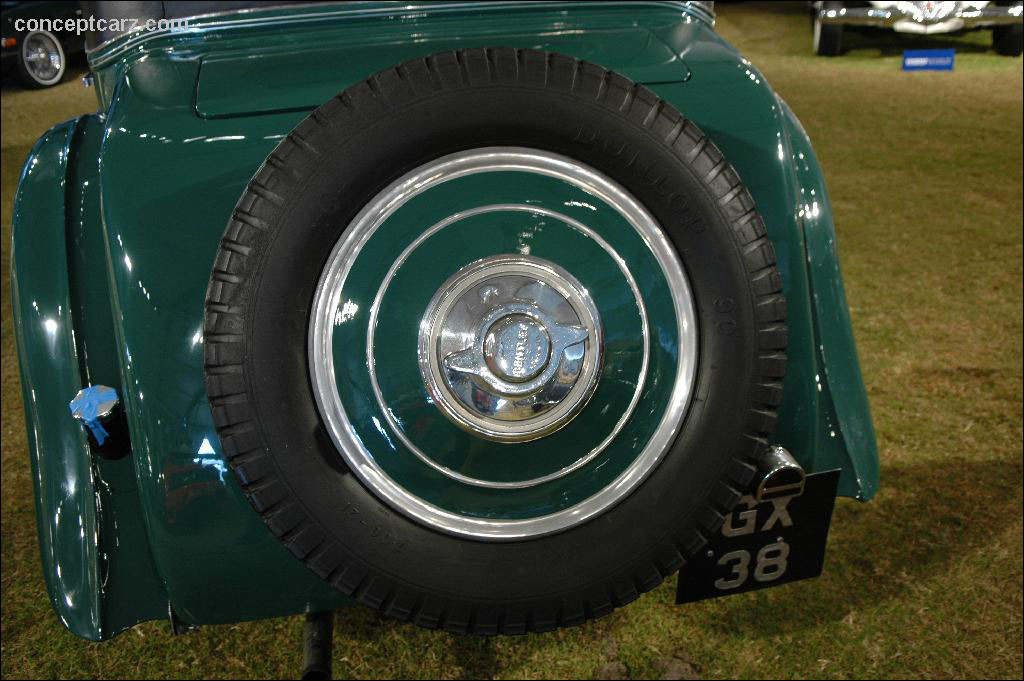
Registration No. GX 38
July 31, 2013
Click on thumbnail for larger view
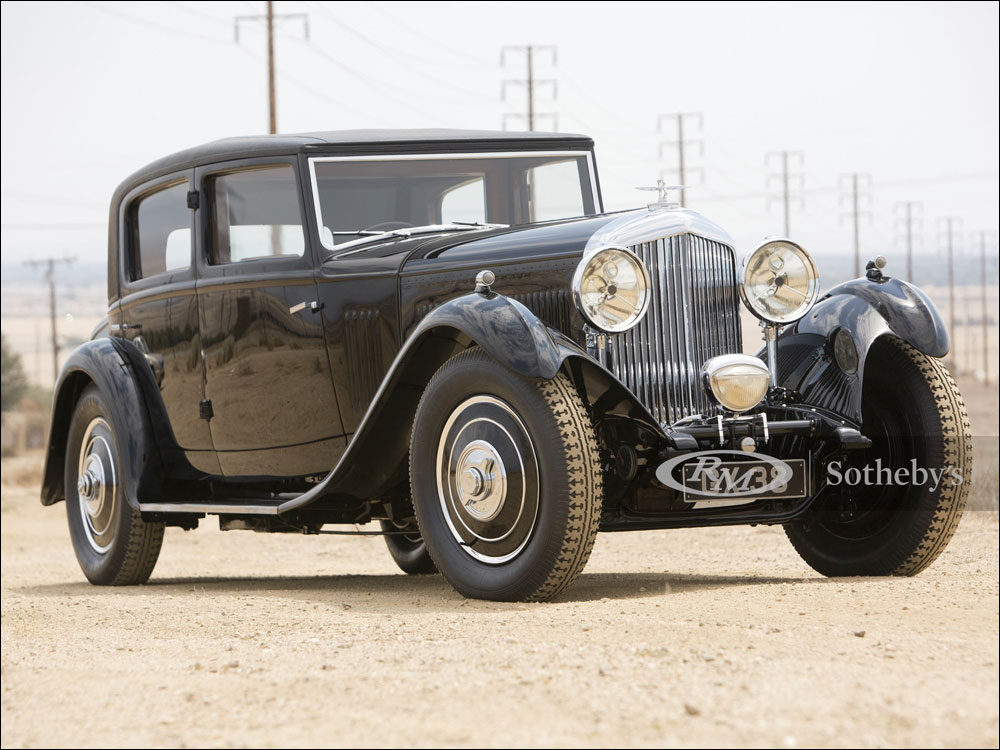
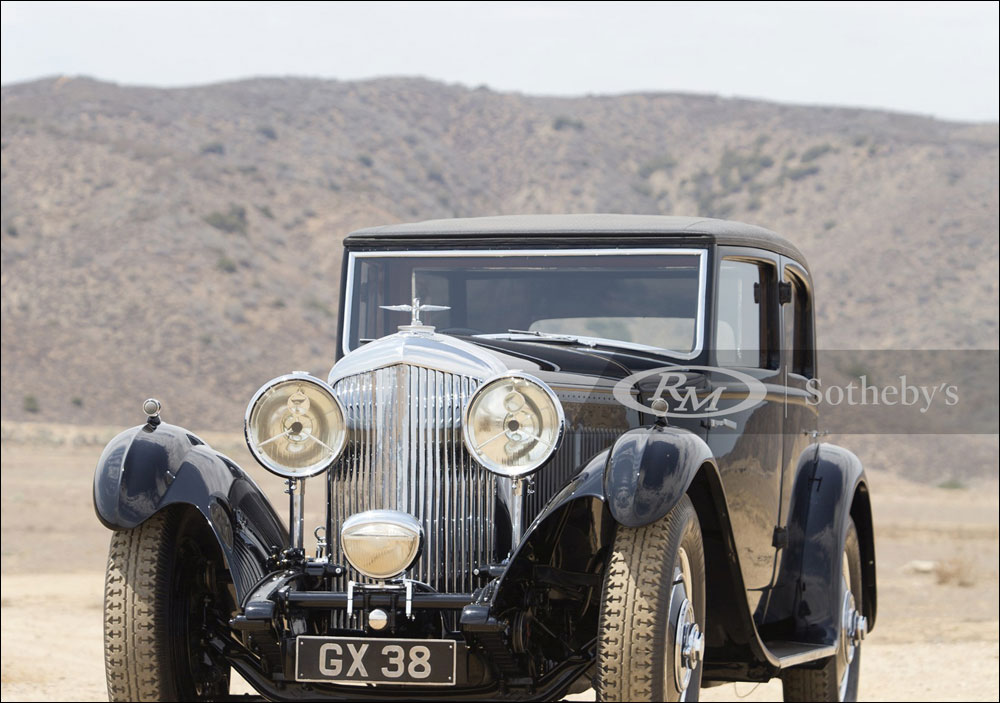
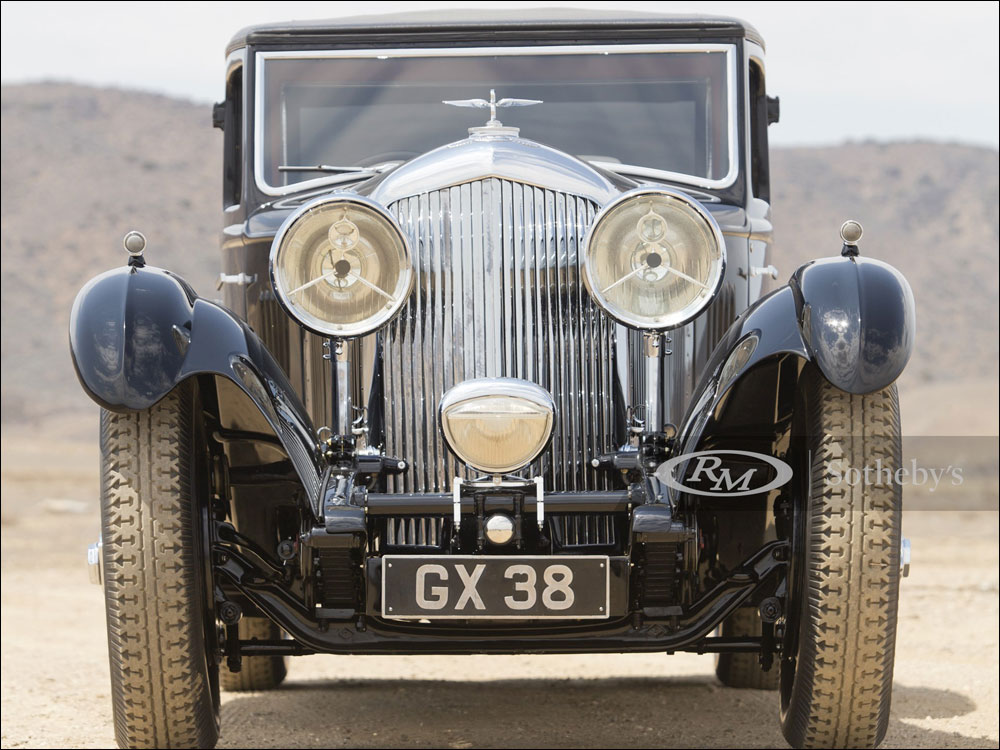
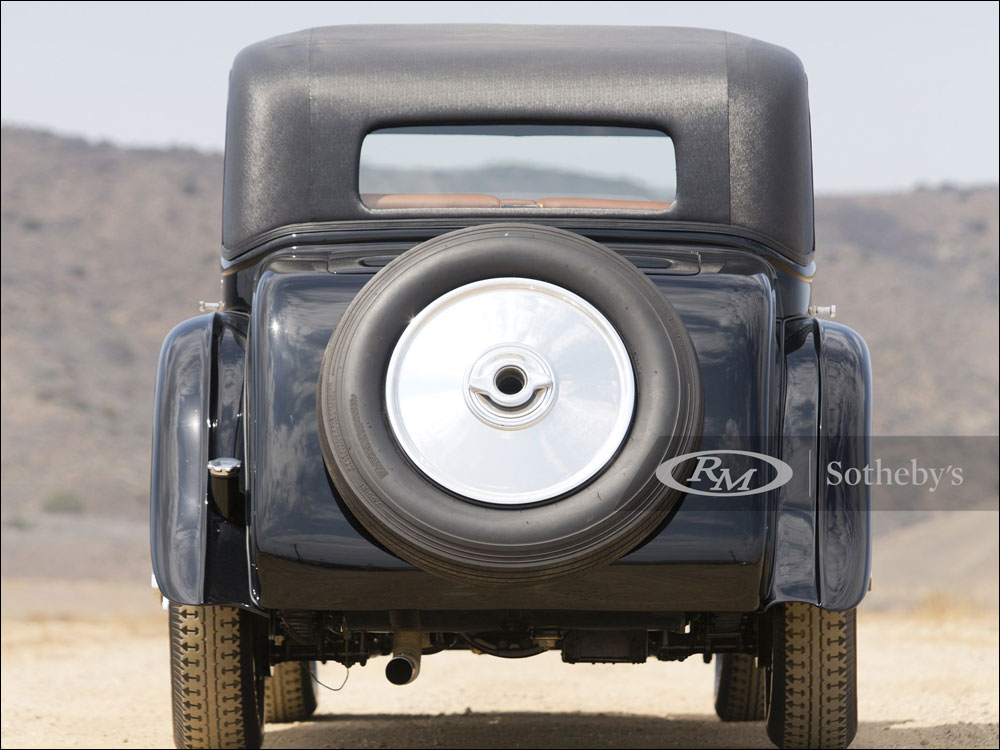
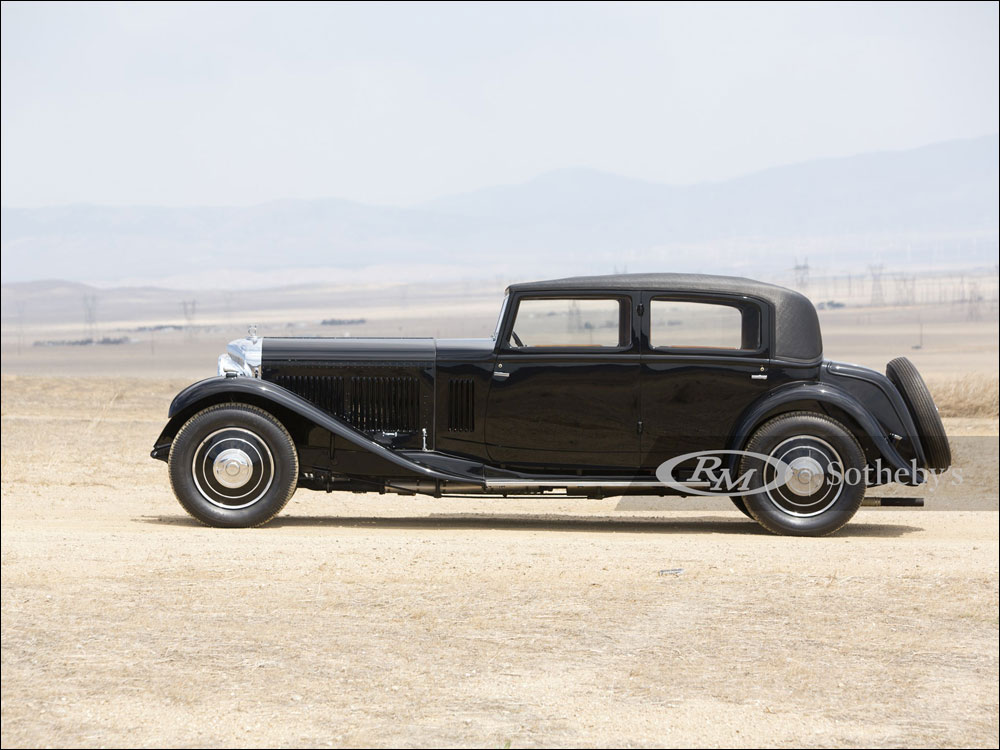
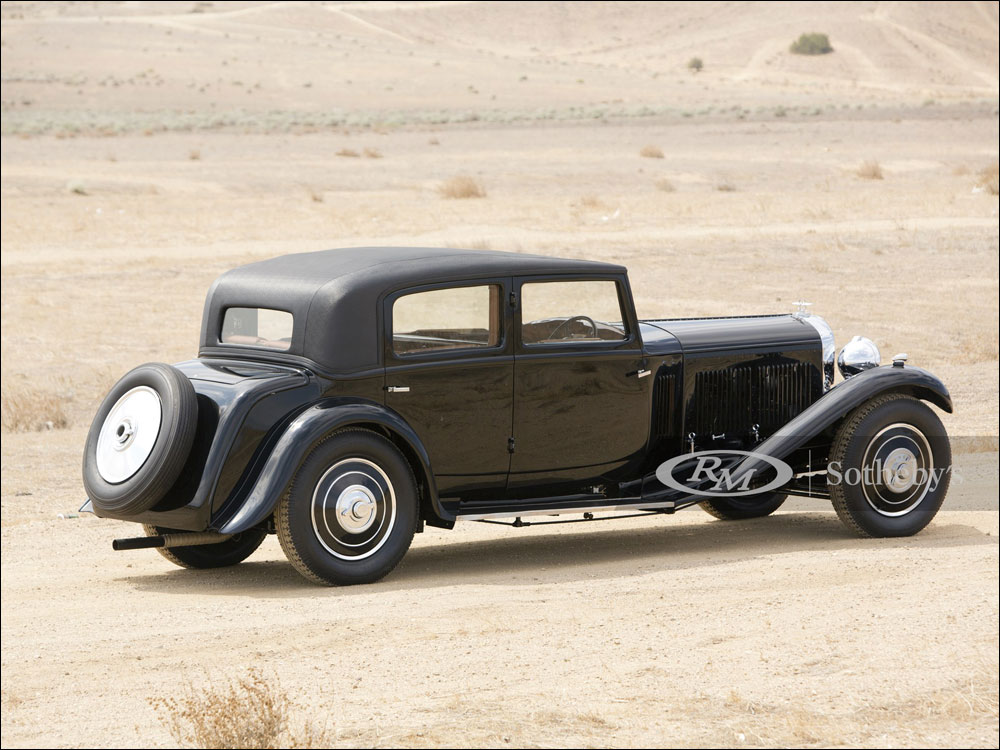
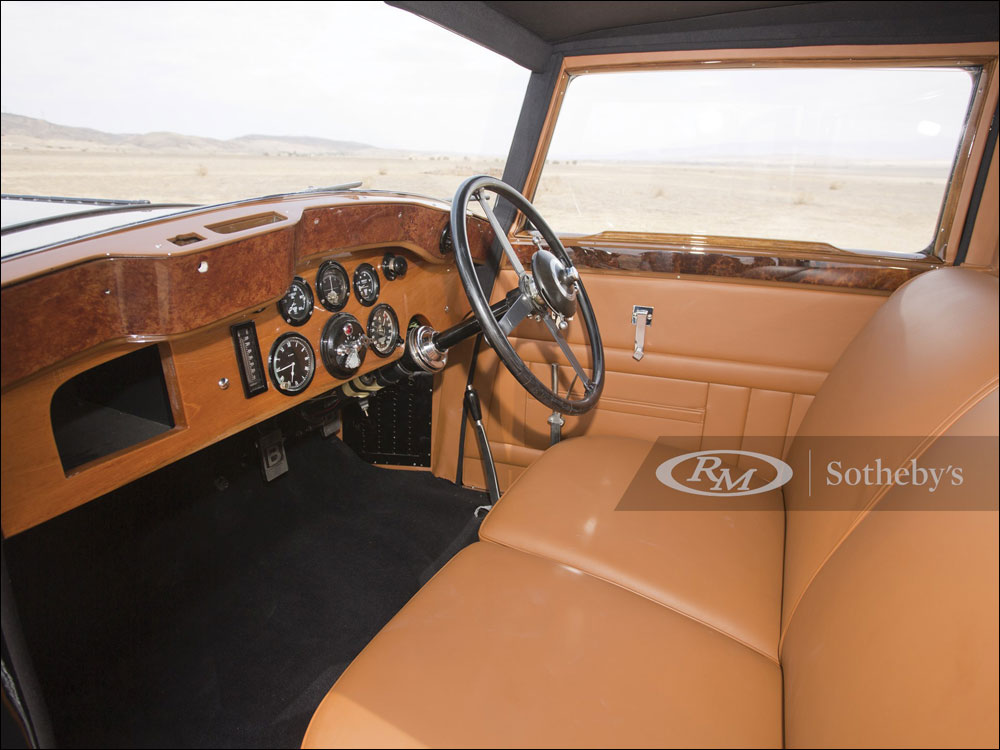
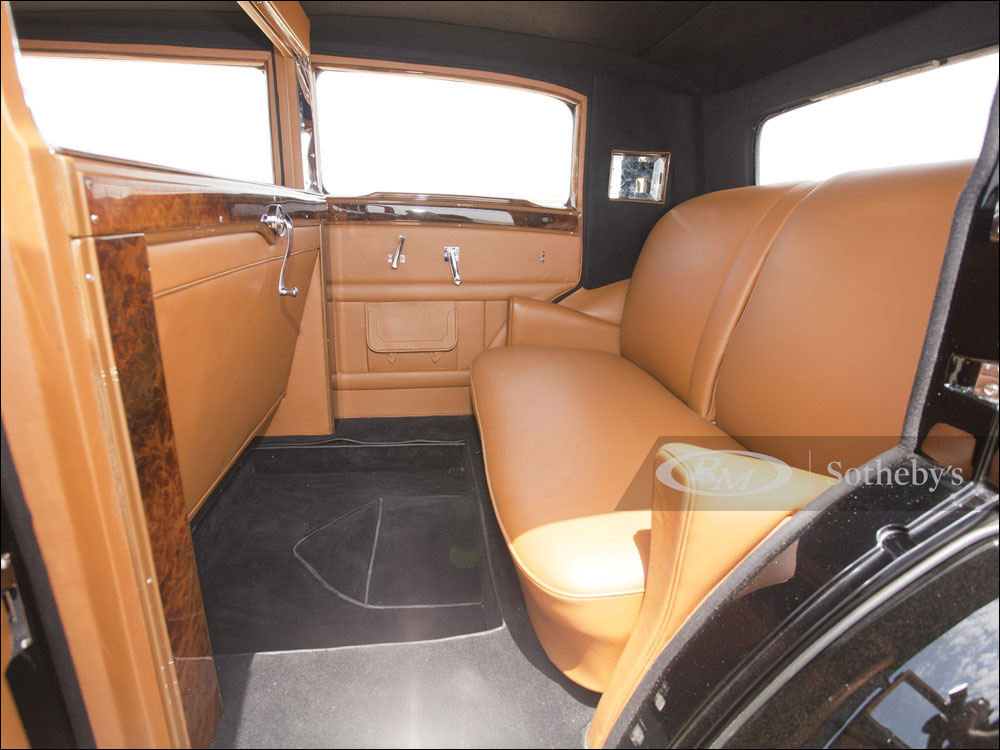
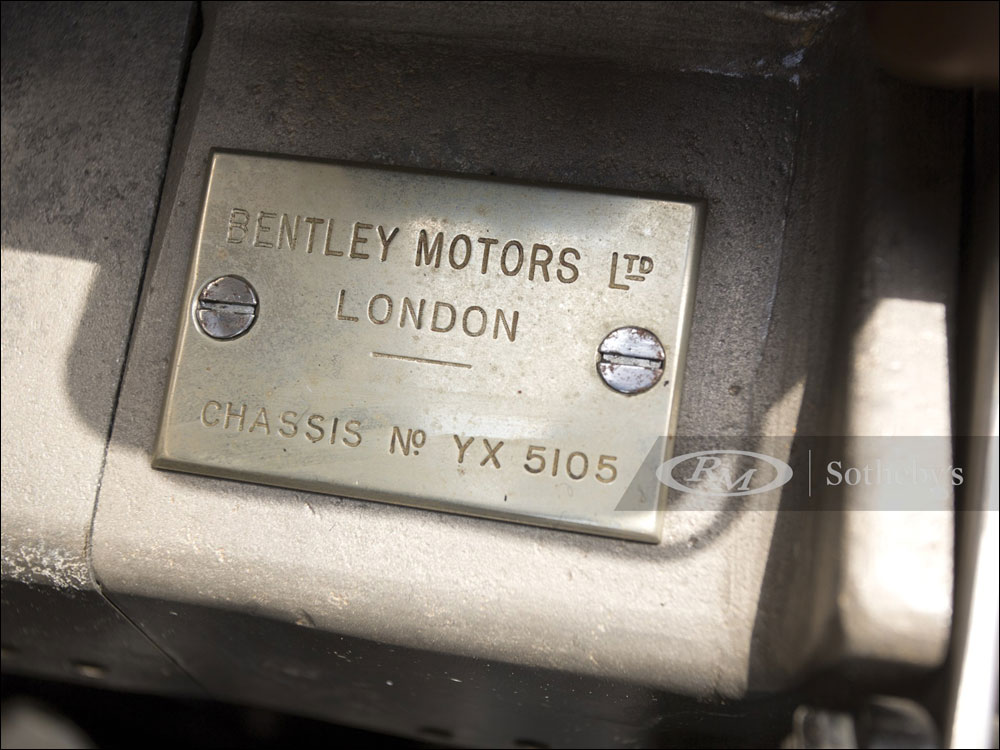
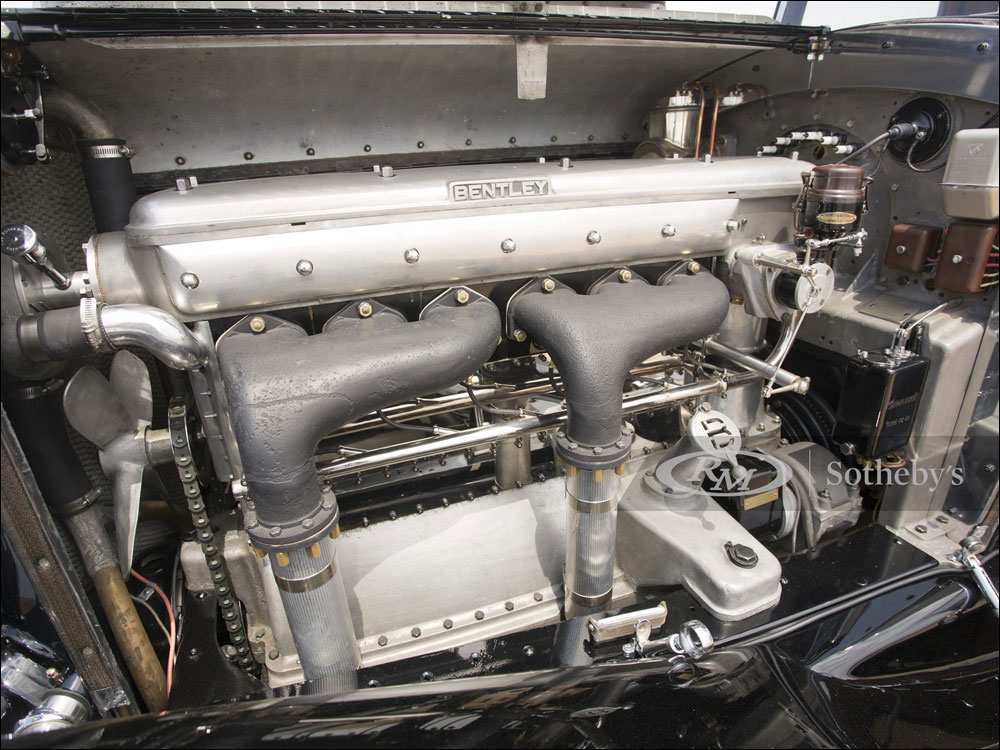
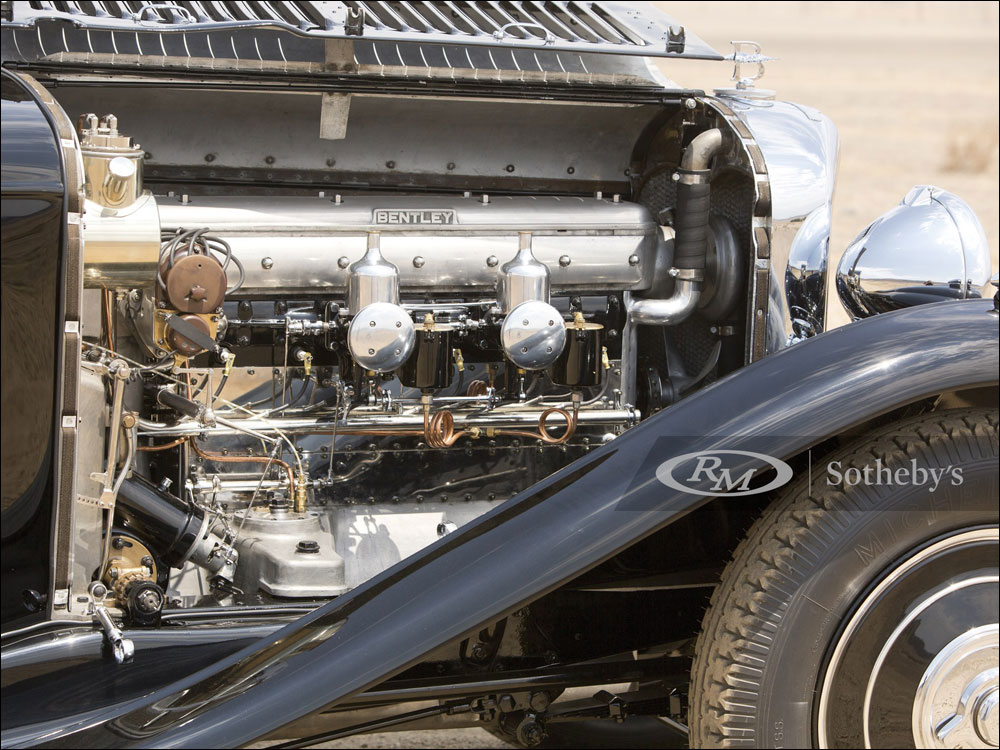
Source: RM Sotheby's
Posted: May 14, 2020

2012
Click on thumbnail for larger view
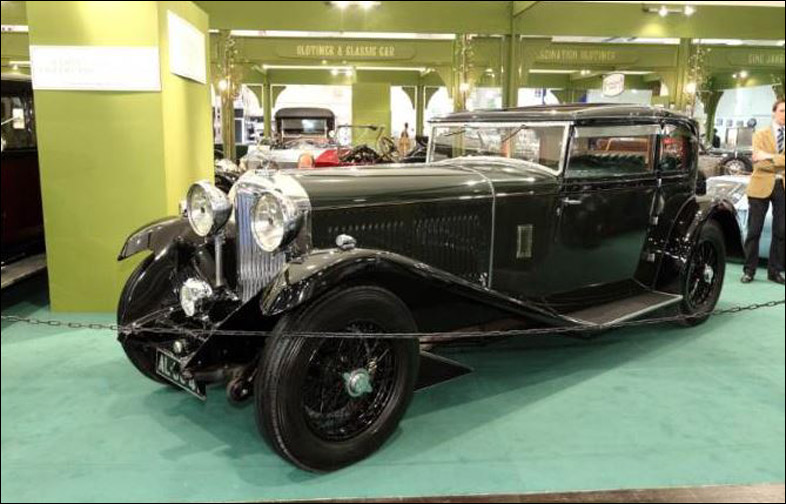
Source: Barchetta Mediacenter
Posted: Aug 22, 2013
2006
Posted: Jan 1, 0001
Click on thumbnail for larger view
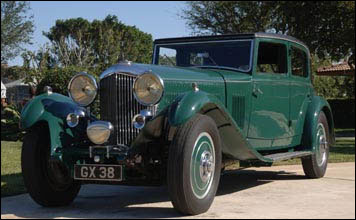
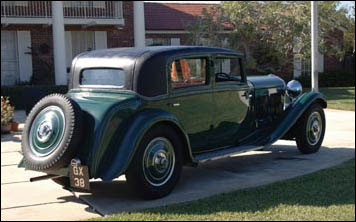
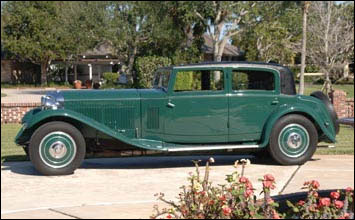
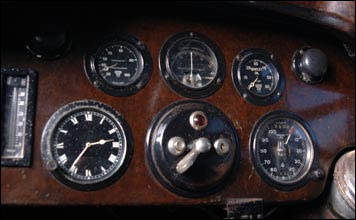
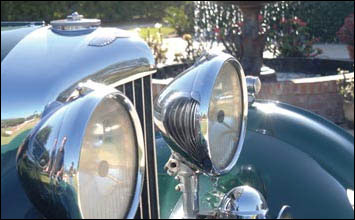
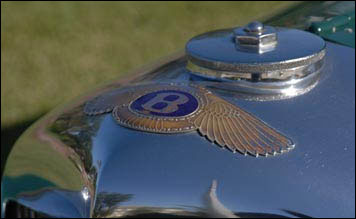
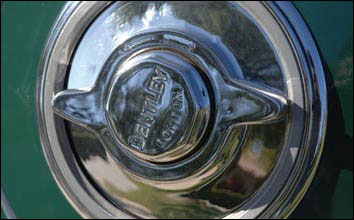
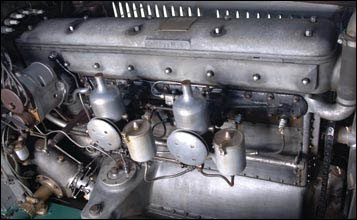
220bhp at 3.500rpm, 7,983cc, overhead camshaft inline six-cylinder engine, four valves per cylinder, dual carburetors and four-speed manual transmission. Wheelbase: 156"
Coming up with the short list of great true classics one thinks of the Duesenberg Model J, the Packard 12, the Cadillac V16, the Rolls-Royce Phantom I and of course the Bentley 8 Liter. The 8 liter was an extension of the immensely successful 6.5 liter powerplant that earned Bentley an exceptional reputation on the race track. However the Eight was not looking for competition on the track but rather was a focused effort aimed squarely at dethroning Rolls-Royce from their pedestal as offering the best in British luxury.
The short wheelbase 144 in. Bentley 8 liter was as long as the short wheelbase Rolls-Royce Phantom I, but the long wheelbase 156 in. was exactly half a foot longer than the longest comparable Rolls-Royce. Size came at a price paid in weight, 3,700 pounds for the chassis alone, and a full-bodied car could top the scales at over two tons. Bentley had engineered a double-dropped frame with seven tubular cross members to support their colossal new design. Bentley’s extensive use of aluminum castings in the drivetrain displayed their awareness of weight issues and accordingly, engineers did all they could to remedy the problem.
For a stout car, the Bentley 8 Liter, even in formal coachwork was incredibly brisk, capable of 100mph, while the Rolls-Royce even in lightweight coachwork had difficulties attaining 90mph. The 8 Liter found a well-polished list of customers and equally impressed the automotive scribes of the era. An article printed in The Autocar in 1930 recounts a road test conducted on the Eight:
Had it been that the performance made the car difficult to handle on top gear at low speed, difficult to maneuver in traffic or in a confined space, harsh or noisy, then the performance by itself might be justly regarded as simply that of a sports car, though few of these features are easily noticeable even in the modern sports car, unless it has been tuned for racing. Quite on the contrary, this car can be driven really softly on its high top gear, as slowly as a man walks, and can accelerate from that without snatch and without difficulty, and the whole time the engine, being well within its power, is silent and smooth. In fact, it is only rarely apparent that there is a big engine working under the bonnet at all, and that so high a top ratio is used, when the machine is accelerated from a crawl. For all practical purposes, therefore, the machine does its work on the one gear.
Despite beautiful proportions, excellent custom coachwork and the most capable British engine, the timing of the Bentley could not have been worst as it coincided with the Great Depression and the ensuing years just as it was being felt around the world. There were great costs involved with bringing the 8 Liter into production, and as resources continued to thin so did the market for the car. Eventually Bentley's chief financier, the great Woolf Barnato, in pecuniary trouble himself cut his loses and severed his ties with Bentley.
After only 100 examples of the 8 Liter were built, Bentley was forced to cease production. To ensure that the Bentley threat would never resurface, Rolls-Royce pulled Bentley out of receivership, and created a whole new line of Bentleys that would serve as entry level cars into the ultra luxury department. Bentley was not dead, but it would never build a car as significant as the 8 Liter again.
The Bentley 8 liter presented here was delivered to a Major C. Cooper in April of 1932. It is a matching numbers example with an aluminum body and custom Saloon coachwork by Arthur Mulliner. Built to British specifications and delivered new in the UK, this car resided in England until it was acquired by an American collector in 1999. After a thorough inspection by Rick Carroll Restorations of Jensen Beach, Florida it was decided this highly original car needed only a repaint to return it to very presentable condition.
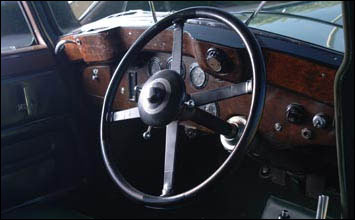
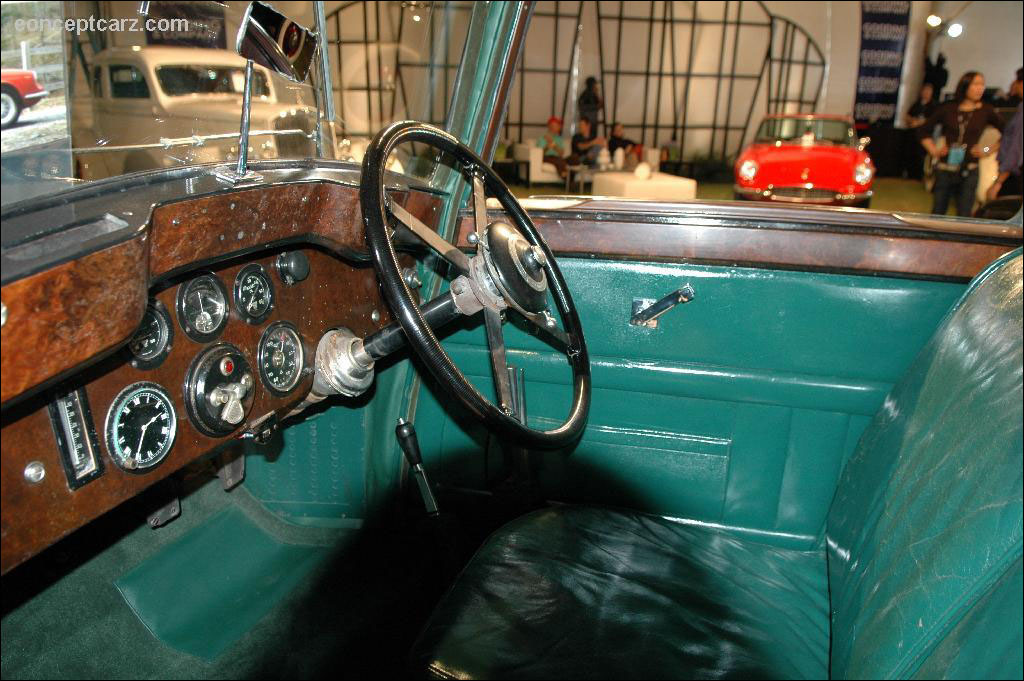
Post restoration, this car has been used sparingly and is reported to be in fine mechanical order, running and driving quite well. The interior still wears its original green leather seats with inflatable rubber bladders for adjustable firmness. The wood trim inside is all original as is a partial tool set fitted inside the trunk. As one would expect the 8 Liter has a roll up divider between the chauffeurs cabin and the passenger's compartment as well as lovely woodwork and detail throughout the interior.
The Bentley 8 Liter is the best of its breed; it was in every way a remarkable car during its era, with all the ingredients that continue to garner international appeal today. Just as they did when new, the 8 Liter continues to reward its drivers and occupants with an experience that has never truly been recreated; very few cars were ever made that were as pleasurable to drive and own while offering a fit and finish worthy of royalty. With a very active organization in the Bentley Drivers Club in both the US and overseas, there are plenty of events tailored strictly for the Bentley marque including the North American Vintage Bentley meet. Truly a handsome example, this 8 Liter represents excellent value given the mechanical and cosmetic fitness and overall rarity."
Source: RM Auctions Inc.
Posted: Feb 21, 2006
Click on thumbnail for larger view
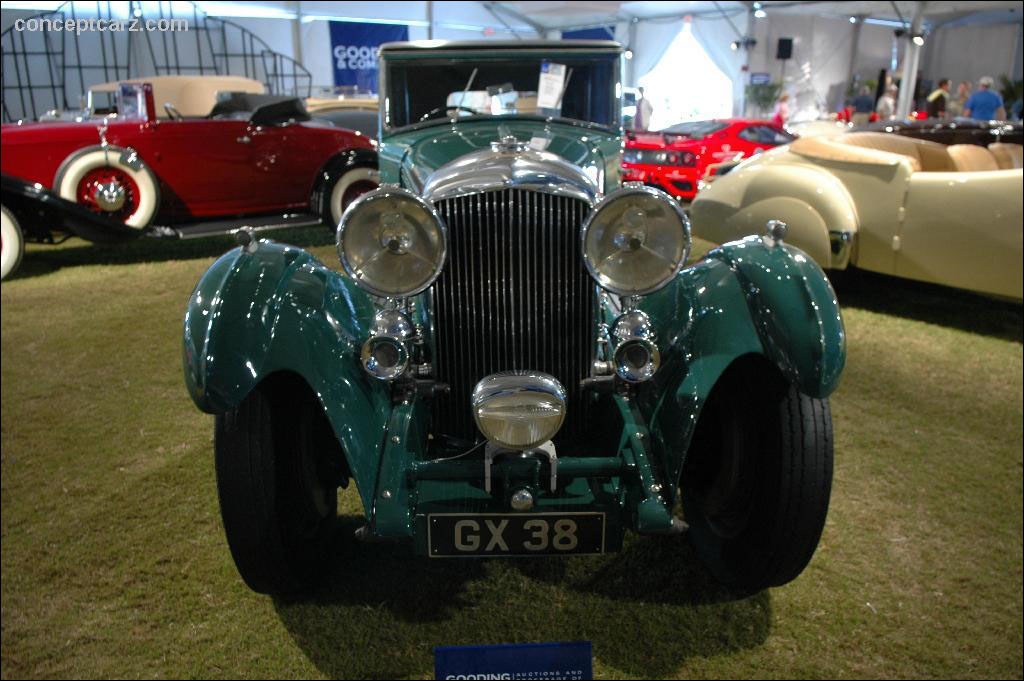
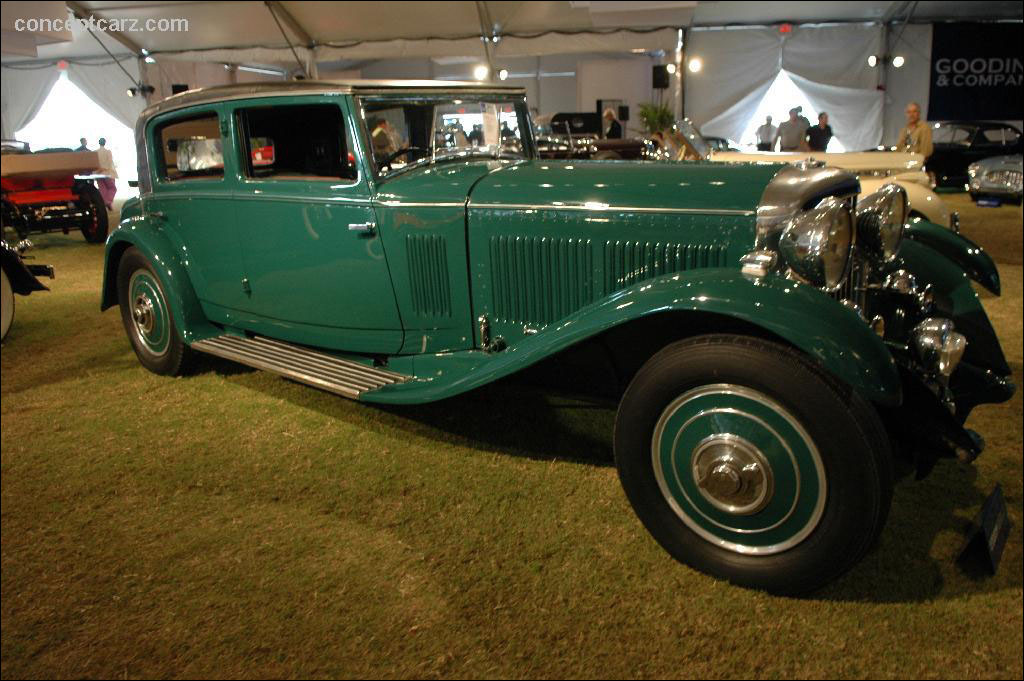
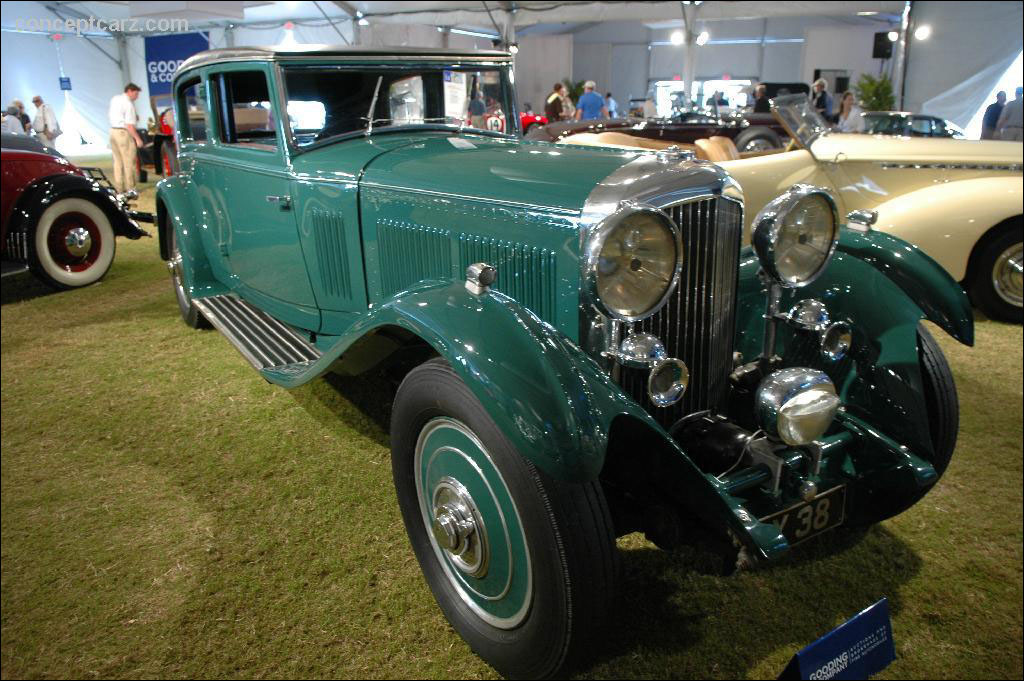
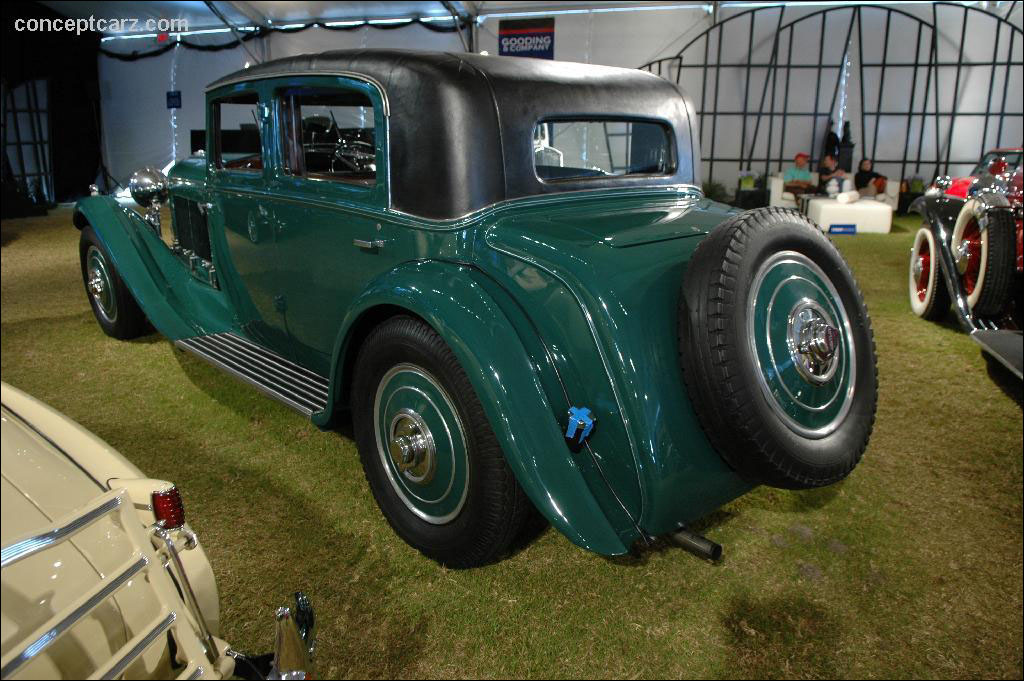
For sheer impressive presence, few cars can match the 8-litre Bentley. The next logical development of Bentley's race-winning 6.5-litre engine, the 8-liter was designed to be a challenge to the Rolls-Royce Phantom in the luxury market.
The buyer had a choice of a 144 inch or 156 inch wheelbase chassis with a massive double-dropped frame, connected by seven tubular cross members. Such construction, despite the generous use of aluminum castings for many drivetrain components, resulted in a 3,700-pound weight for the chassis alone! Closed cars surpass 2.5 tons depending on the coachwork, while open examples still exceeded two tons.
It was fair to say that the Bentley 8-litre was the British equivalent of the Model J Duesenberg; its tall radiator and grille actually carry a better-than-passing resemblance to the 'Big D' from Indianapolis. And with a top speed of 100-plus mph, even with formal coachwork, the Bentley would put up a very good account of itself on the road compared to the Duesy.
Despite its outstanding specifications and performance, however, it was the 8-liter that did in Bentley Motors financially. Developed and announced just as the worldwide Depression was beginning to bite, this model stretched Bentley's thin resources past the point of fiscal prudence at a time when its principal backer, Woolf Barnato, was experiencing some financial reverses of his own and pulled the plug on his Bentley investment.
The sad result was that after only 100 examples of the 8-liter rolled out of the Bentley works, production came to an end. Ironically, not much time passed before - rather than beating Rolls-Royce at the luxury game - Bentley ended up being bought by its archrival.
A glance at the mechanical specifications noted above would confirm the 8-liter Bentley's status as one of the supercars of its time. Its original customer list, too, would confirm that these marvelous cars appealed to - and could only be afforded by - the privileged few. Among the buyers were 'Jock' Whitney, head of the New York Stock Exchange, HRH the Duke of Kent, Lord Brougham and Vaux, the Duke of Leinster, France V. DuPont, W.W. Astor, William K. Vanderbilt and, naturally, Woolf Barnato.
The custom bodies were supplied by a 'Who's who' of coach builders including Vanden Plas, Kellner, Thrupp and Maberly, Arthur Mulliner, Gurney Nutting, Park Ward, Freestone & Webb, Letourner et Marchand, Binder and Walter J. Murphy. The majority of coachwork was closed and formal with less than 25% of the minuscule output equipped with open bodies.
This Car
Delivered to a Major C. Cooper in April 1932, this aluminum-bodied matching-number example spent from that time until 1999 in the U.K., the latter 35 years in storage. The present owner purchased it in 2001 and found it to be in such good original condition that only a metal-up repaint by Rick Carroll Restorations of Jensen Beach, Fla, was required to put the car in a highly presentable state once again.
The owner reports that the engine and drive-train are in good operating condition throughout and that the interior retains its original green leather seats along with the inflatable red rubber bladders in the seats that may be adjusted for firmness. It is equipped with a roll-up divider window, and the original wood trim in the passenger compartment is also original and exceptionally attractive. A partial original tool set is fitted in the trunk.
Here is a motorcar with great international appeal and an enviable heritage that few automobiles can match. From its sophisticated mechanical specifications to the marque's LeMans-winning history, both then and now, this car represents the ultimate development of the vintage Bentley under the direction, planning and thinking of the great Walter Owen Bentley himself. It is eligible for any number of prestigious events including most important concours here and abroad, the annual North American Vintage Bentley Meet, all the activities of the venerable Bentley Drivers Club in the U.S. and overseas, as well as the Classic Car Club of America.
Year: 1932
Make: Bentley
Model: 8-Litre
Engine Location: Front
Drive Type: Rear Wheel
Production Years for Series: 1930 - 1931
Coach Work: Mulliner
Weight: 5600 lbs | 2540.2 kg
Introduced At 1930 London Motor Show
Source: ConceptCarz
Posted: May 2, 2006
Earliest Record Of Historical Facts & Information
| Chassis No. | YX5105 |
|---|---|
| Engine No. | YX5105 |
| Registration No. | GX 38 |
| Date of Delivery: | 31 Mar 1932 |
| Type of Body: | Saloon |
| Coachbuilder: | Arthur Mulliner |
| Type of Car: | 13 |
| First Owner: | COOPER Major C |
| More Info: | Michael Hay, in his book Bentley: The Vintage Years, 1997, states: "F/8091." |
Mar 1, 2007