
Vintage Bentley
Production NOS.
Where To Look For
Chassis & Engine NOS.
Bentley Specials & Special Bentleys
Unidentified
Bentleys

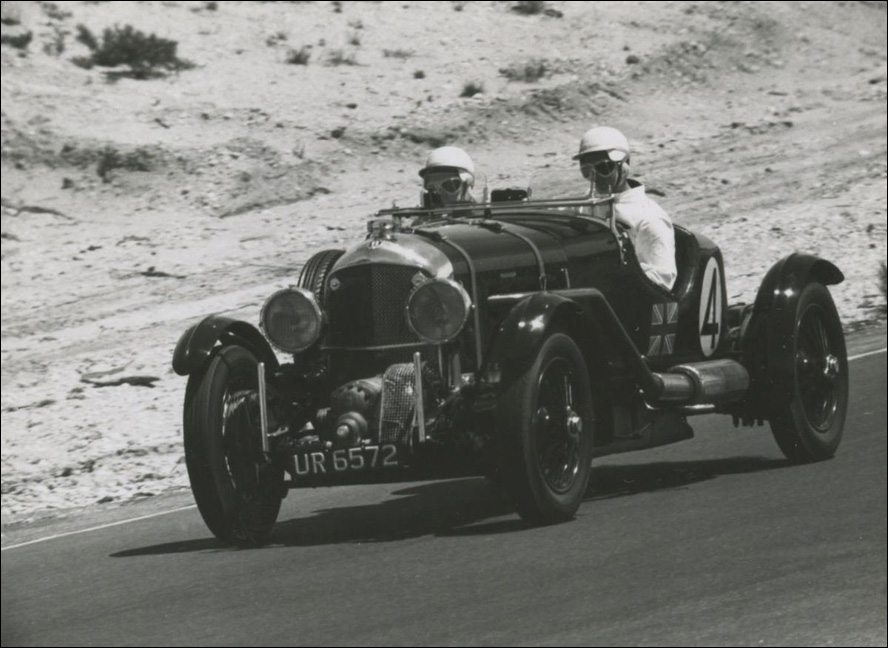
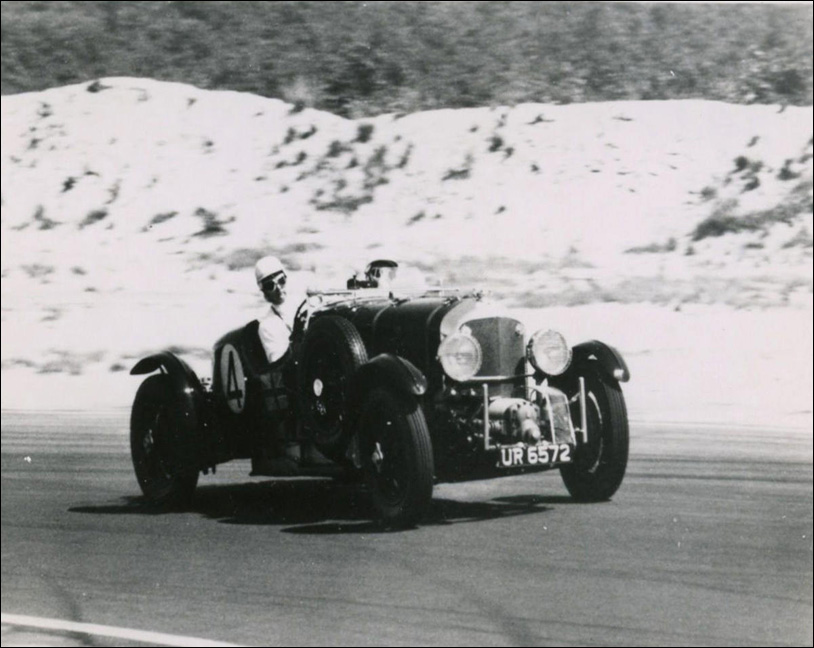
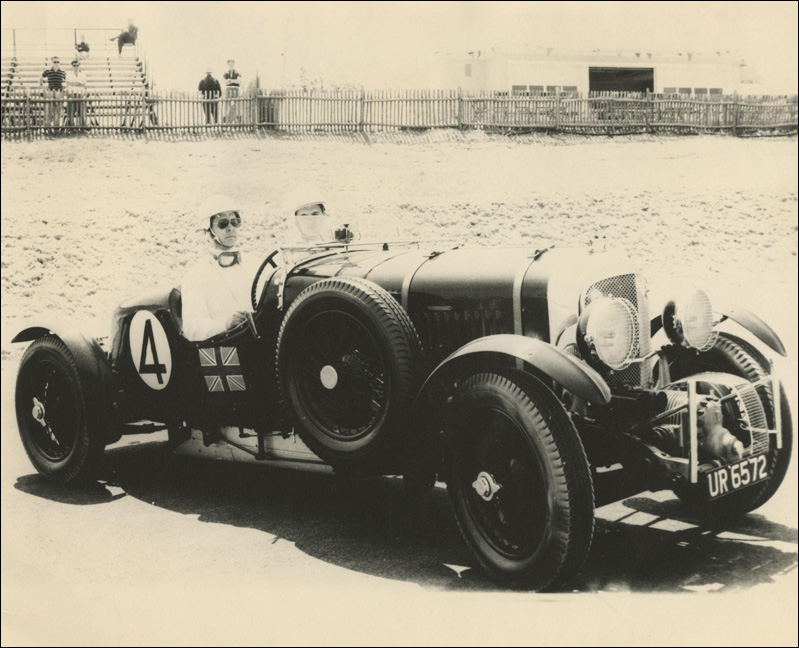
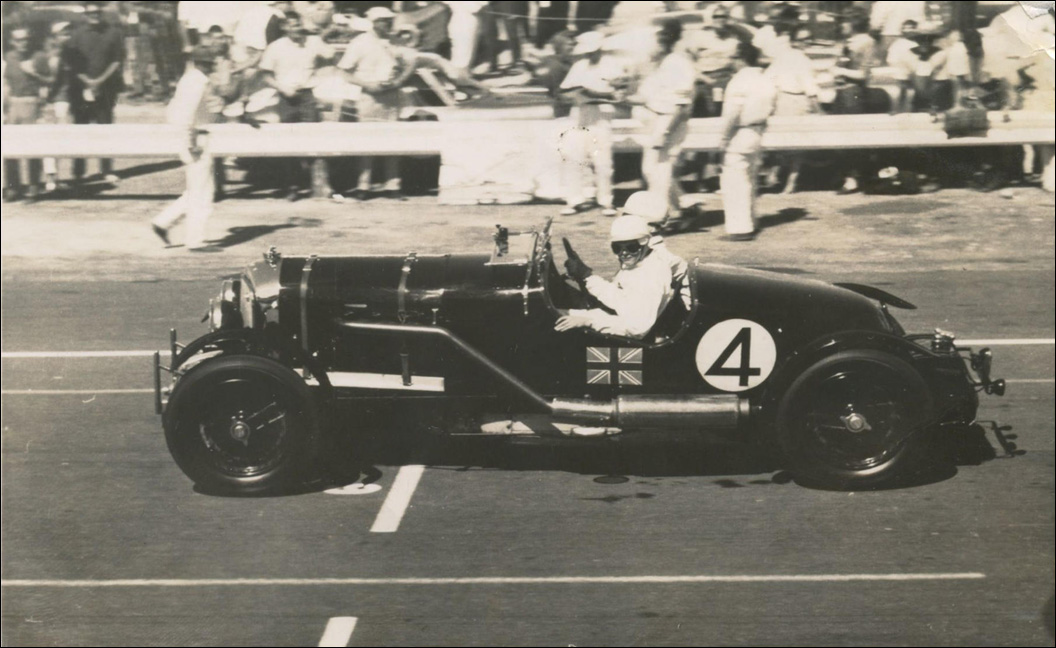
1931 Bentley 4½ Litre Supercharged 144 4-seater
Chassis No. MS3944
Engine No. MS3941
Registration No. UR 6572
July 29, 2015
Click on thumbnail for larger view
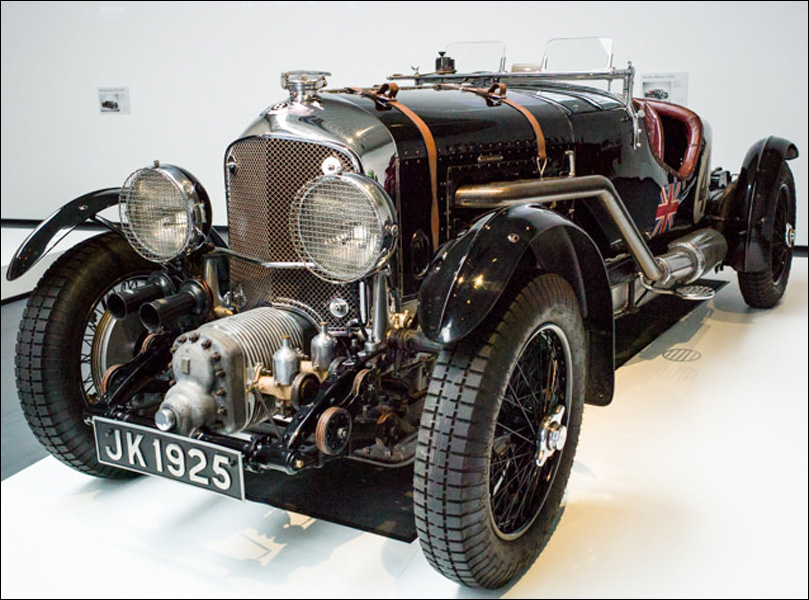
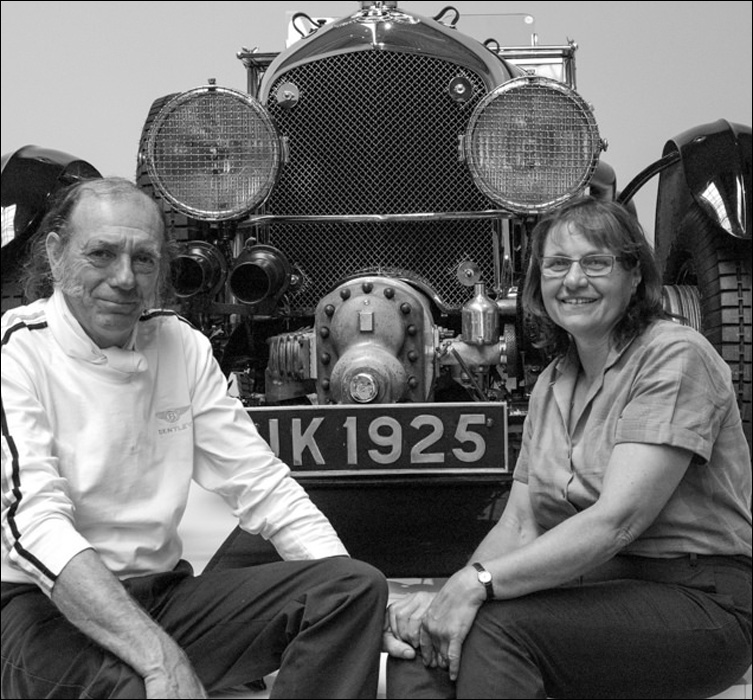
Source: Flickr, posted by user 'Adam Singer'
Posted: Sep 7, 2015

December 31, 2013
Click on thumbnail for larger view
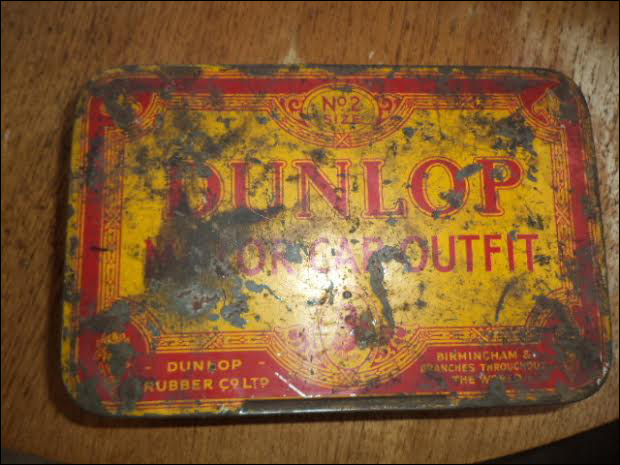
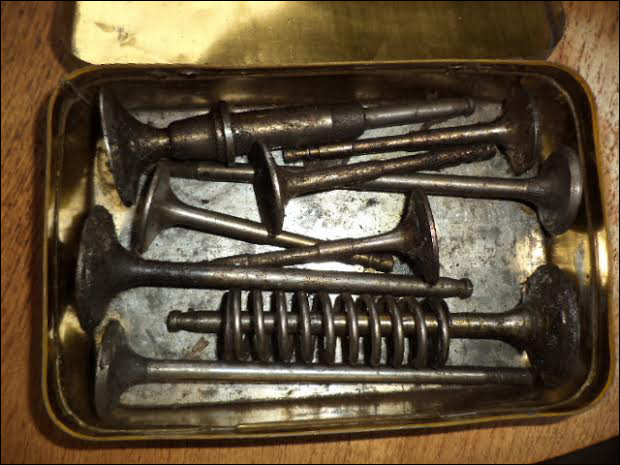
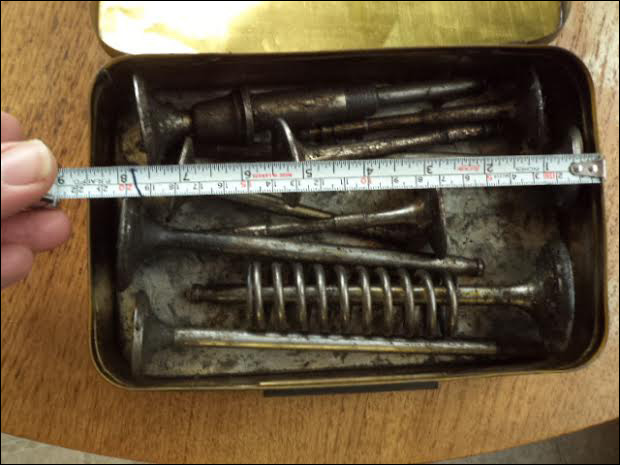
In the attic I found a very beaten metal box for a Dunlop tire repair kit. Inside, there are 8 very large (by modern standards) engine valves. I don’t know of any engines that my father rebuilt on the many cars he owned, and I remember reading that his friend Ross Frame replaced the valves on MS3944 with valves from a Ford tractor. It’s in his story posted below.
Do these valves look like those from a 4.5 litre? I attach a photo of the box and the valves."
Source: Bruce Mackenzie (Son of former owner Hall Mackenzie)
Posted: Jan 30, 2014
June 30, 2013
Click on thumbnail for larger view
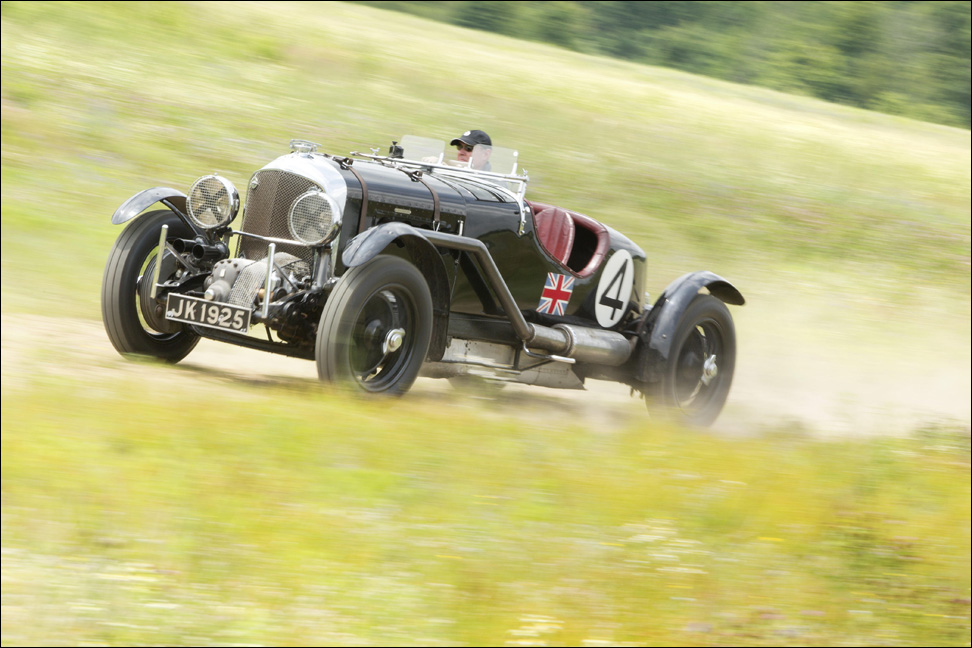
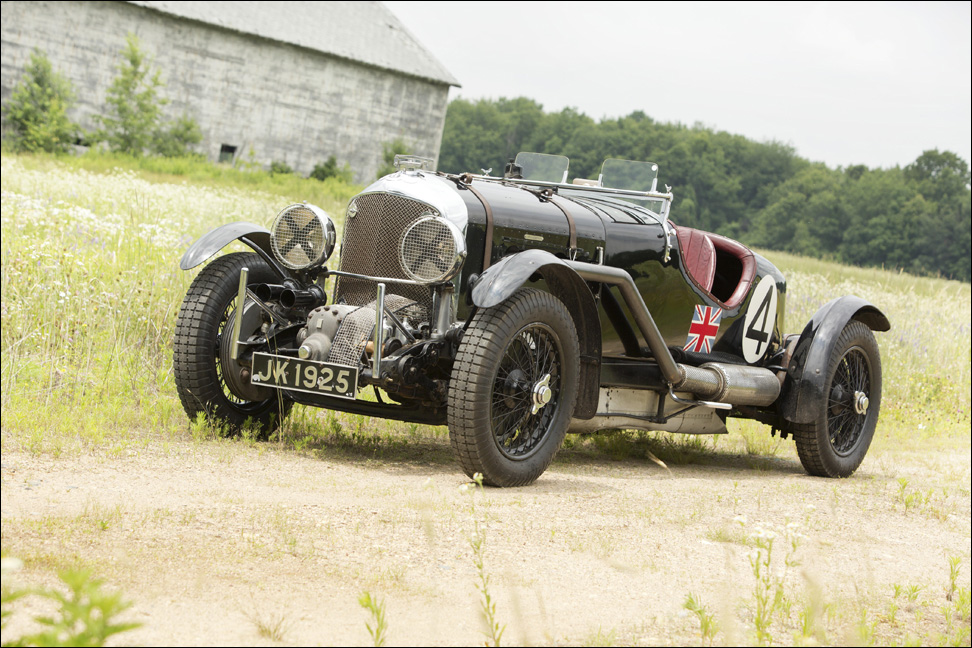
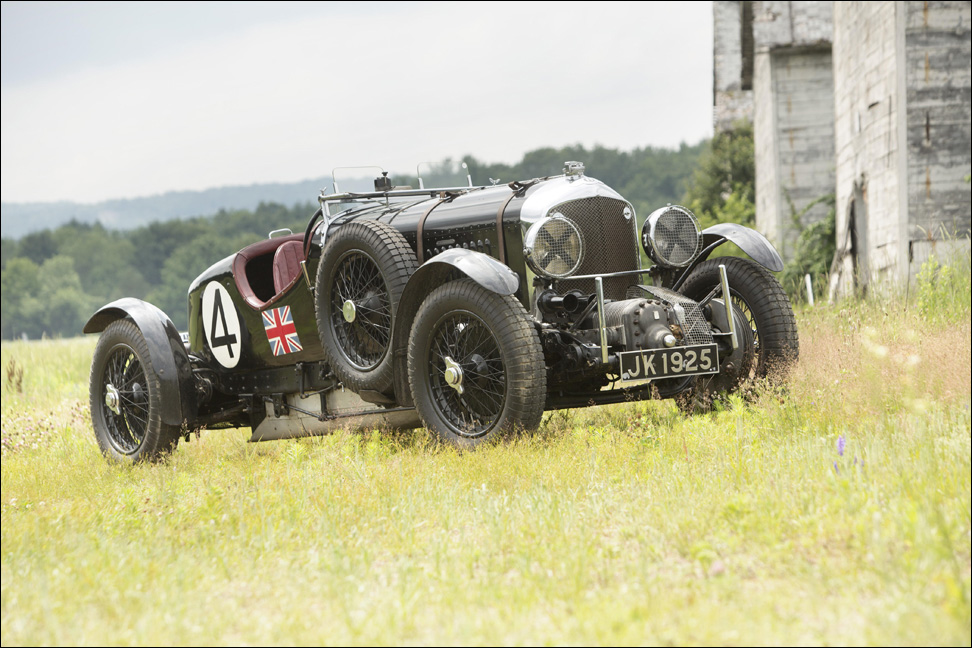
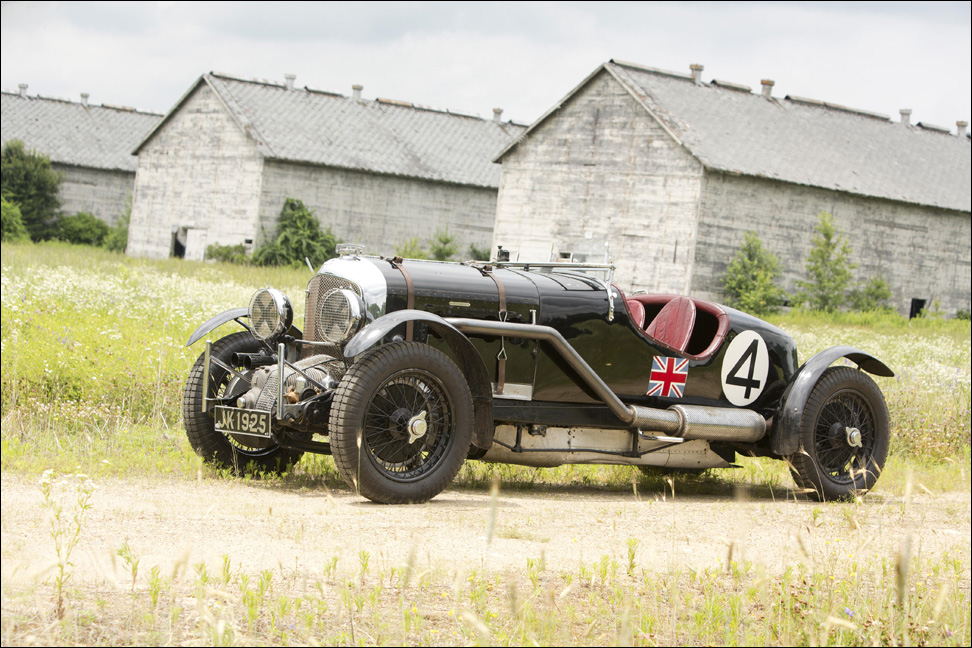
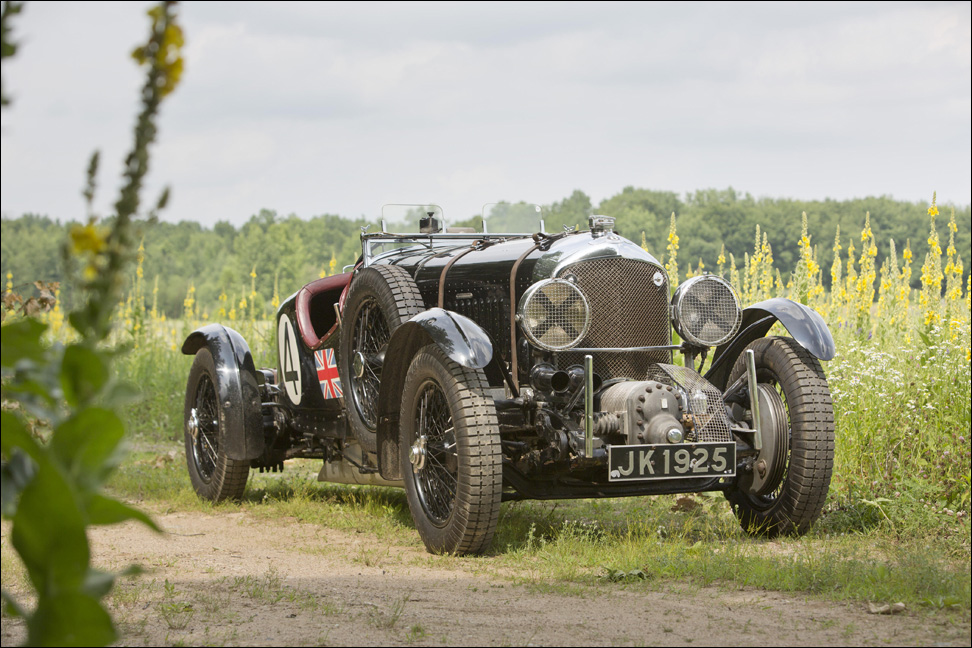
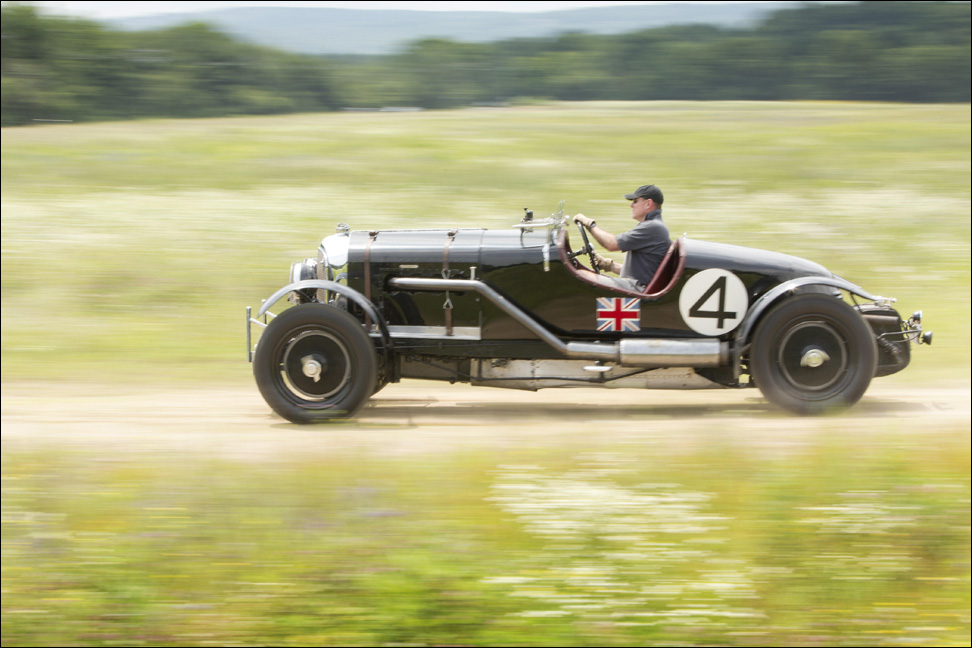
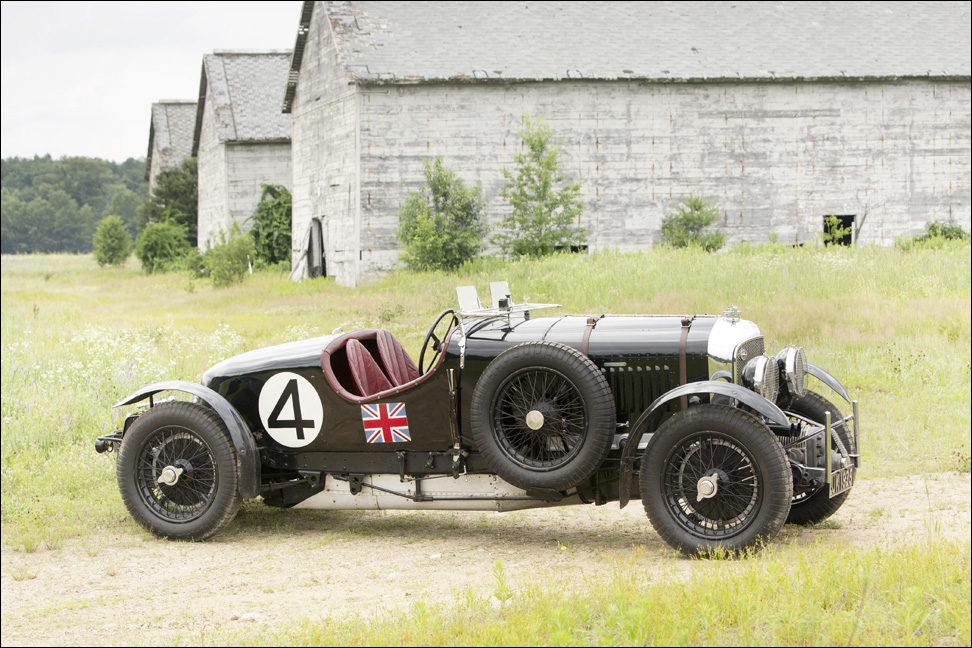
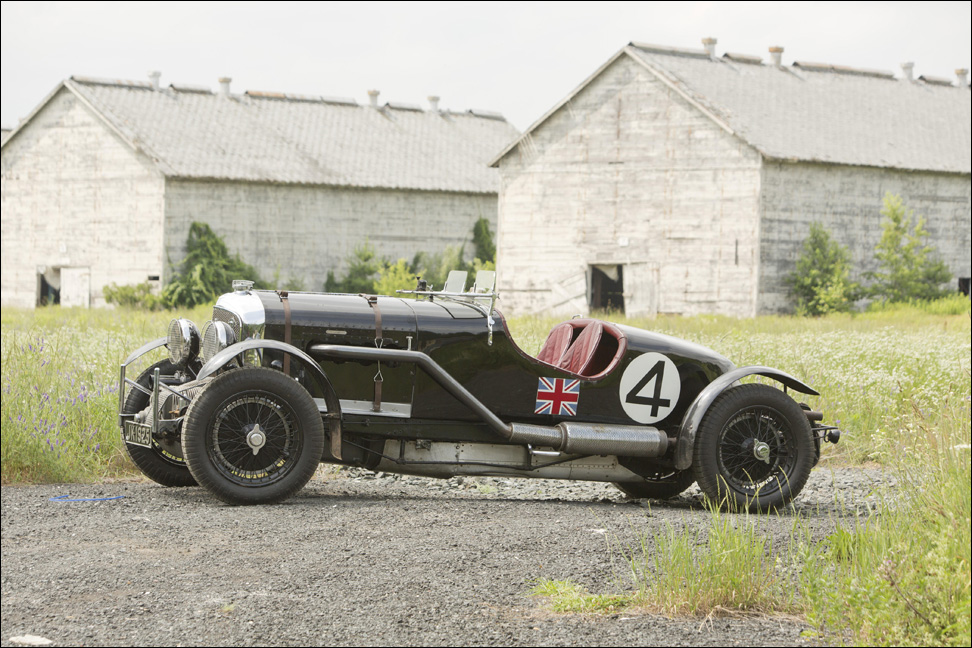
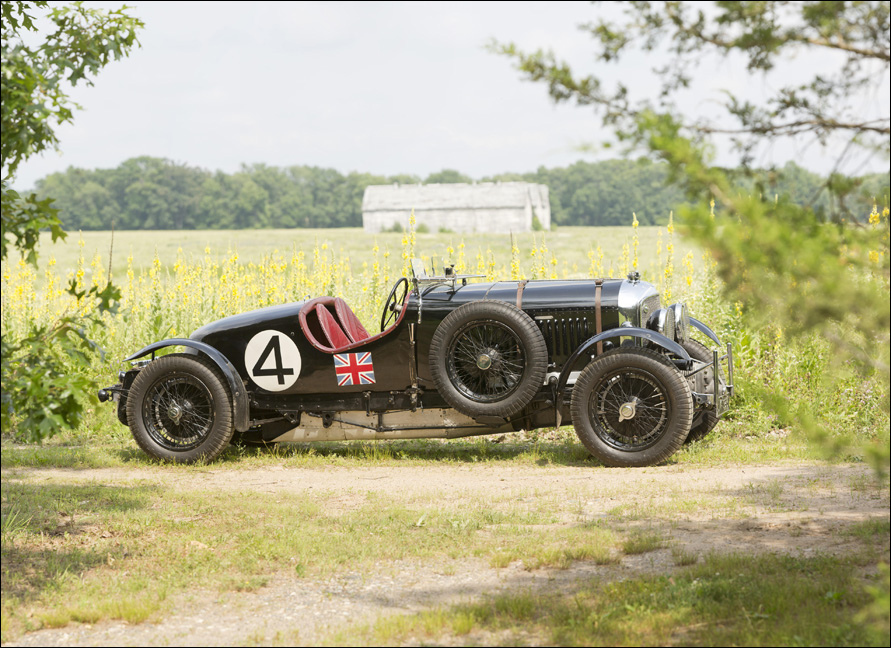

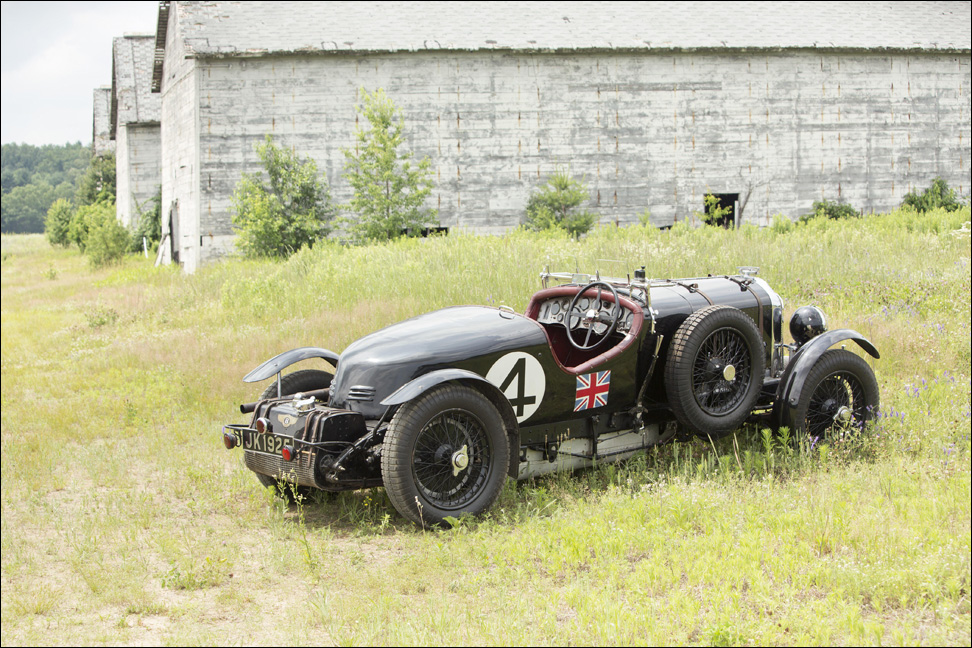
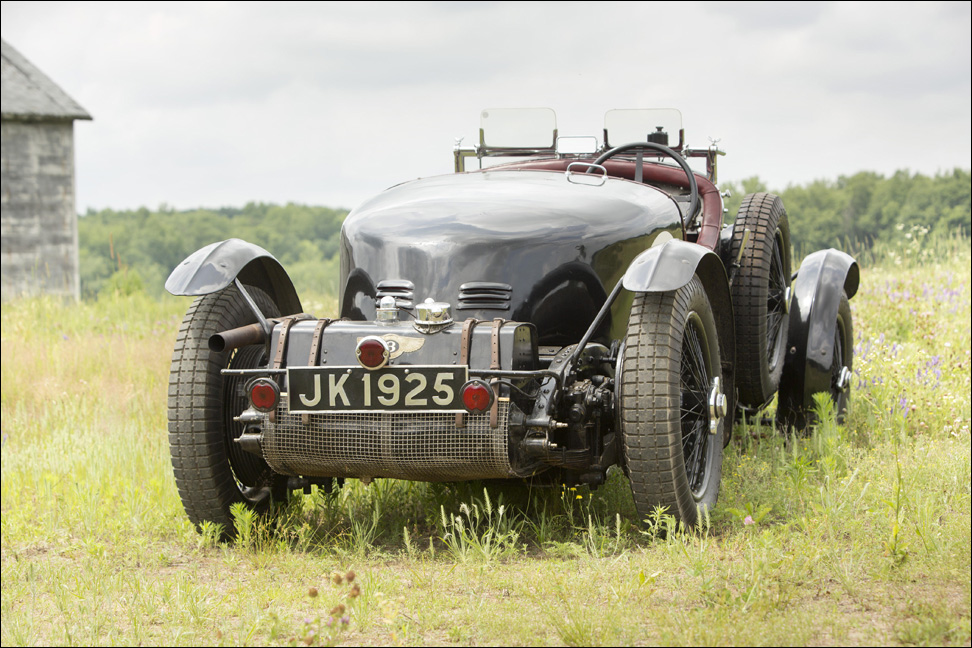
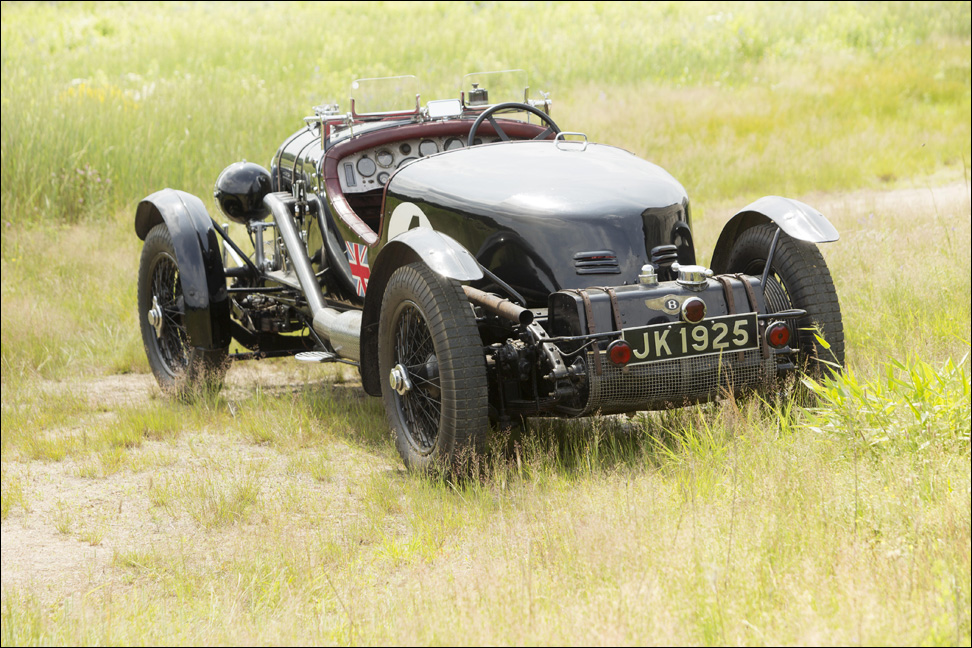
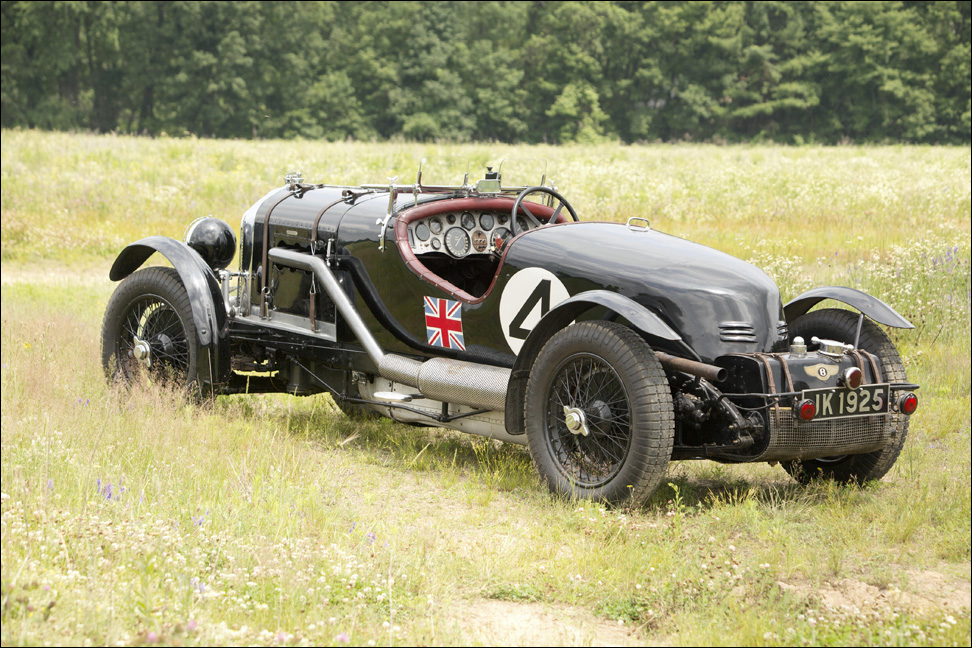
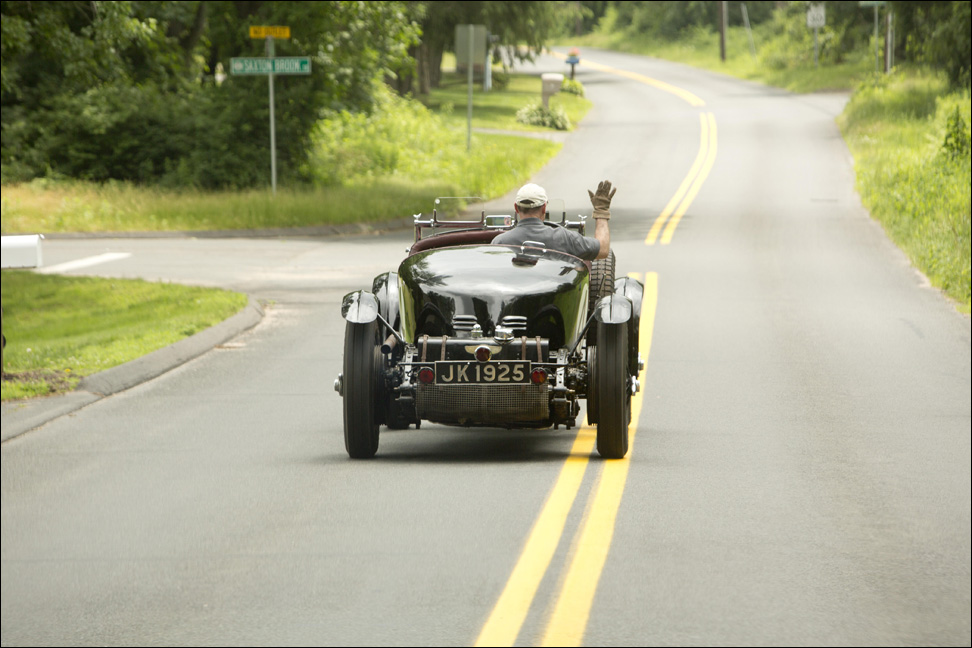
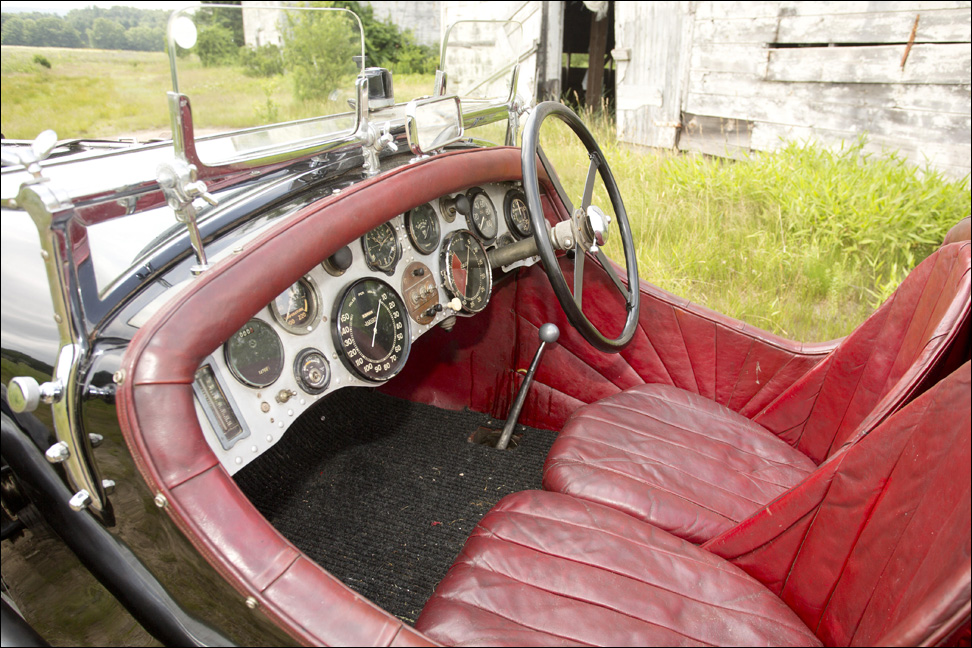
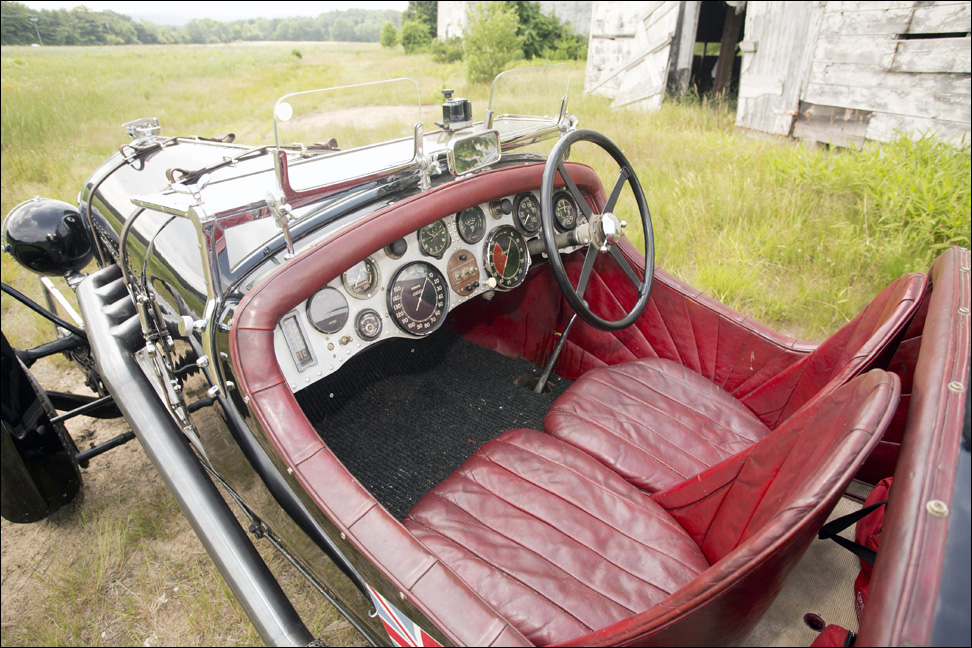
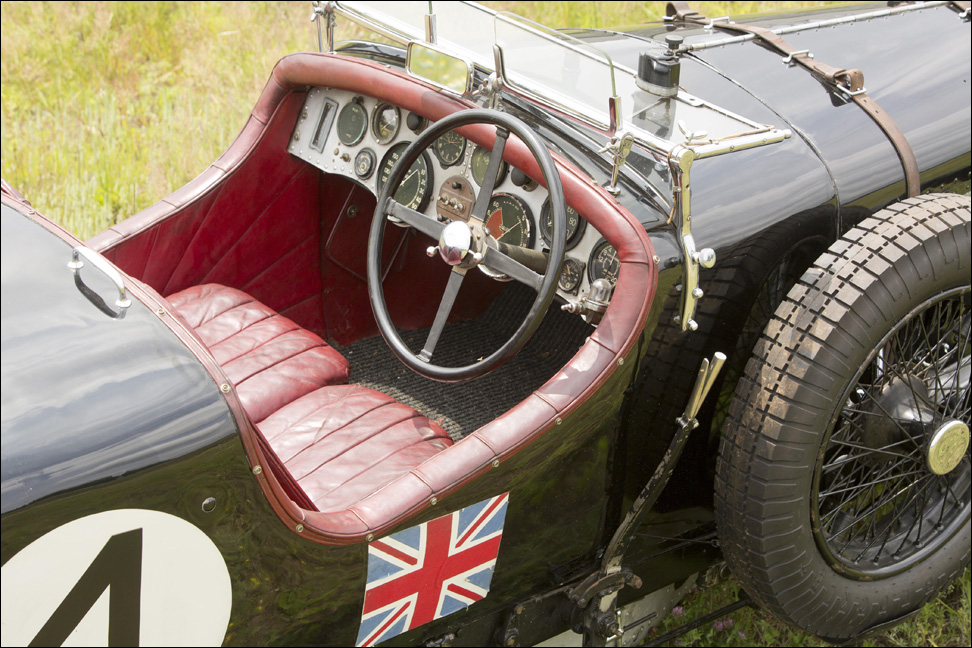
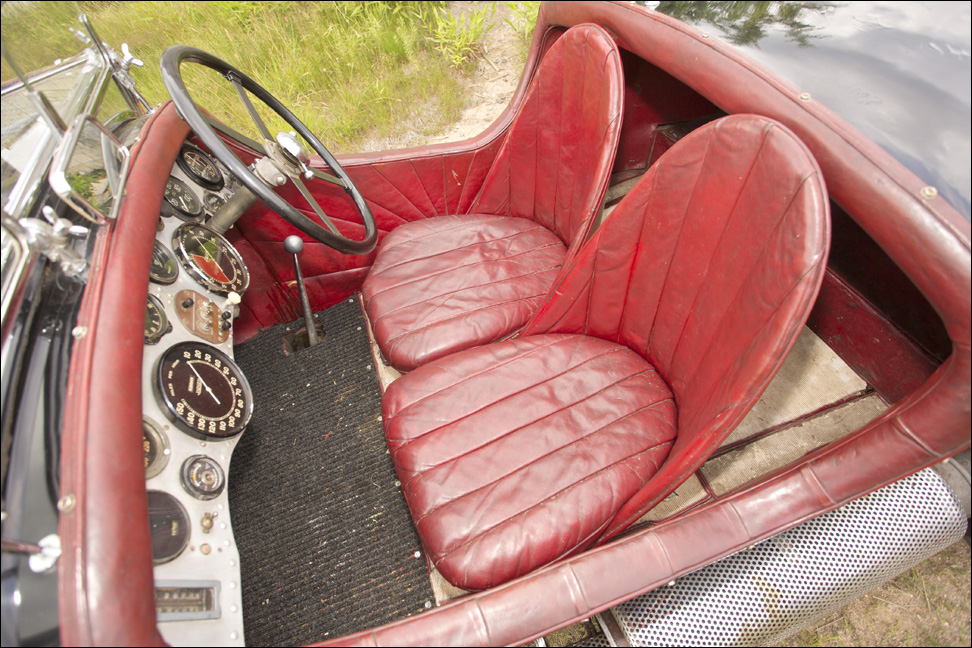
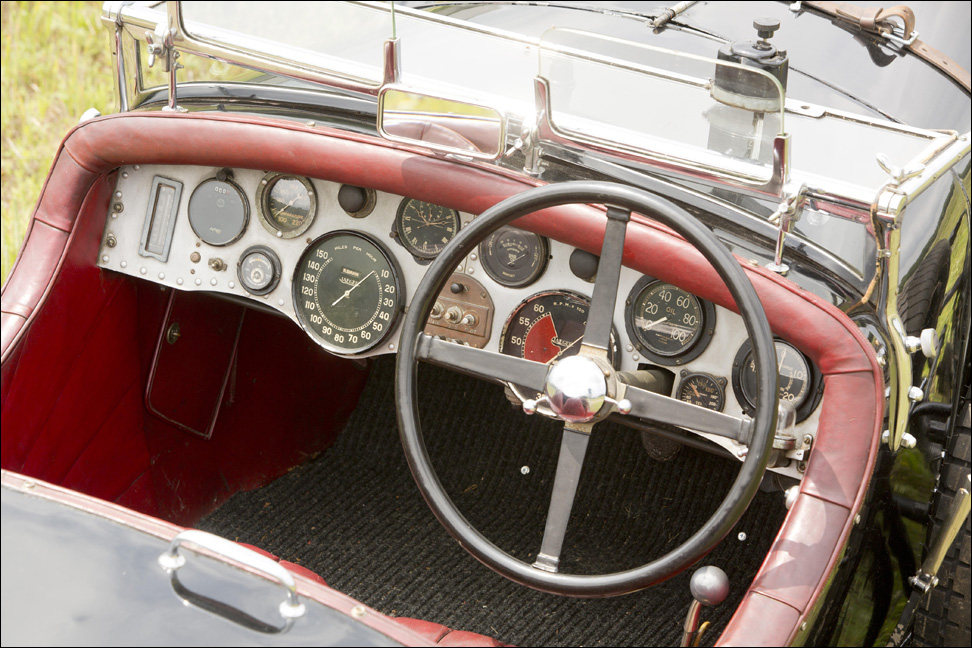
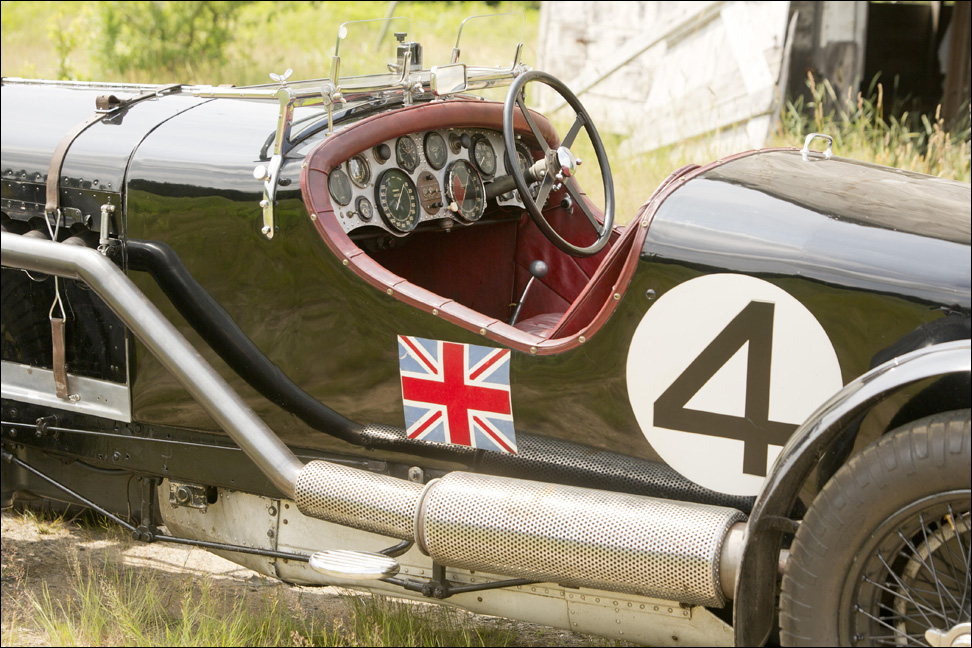
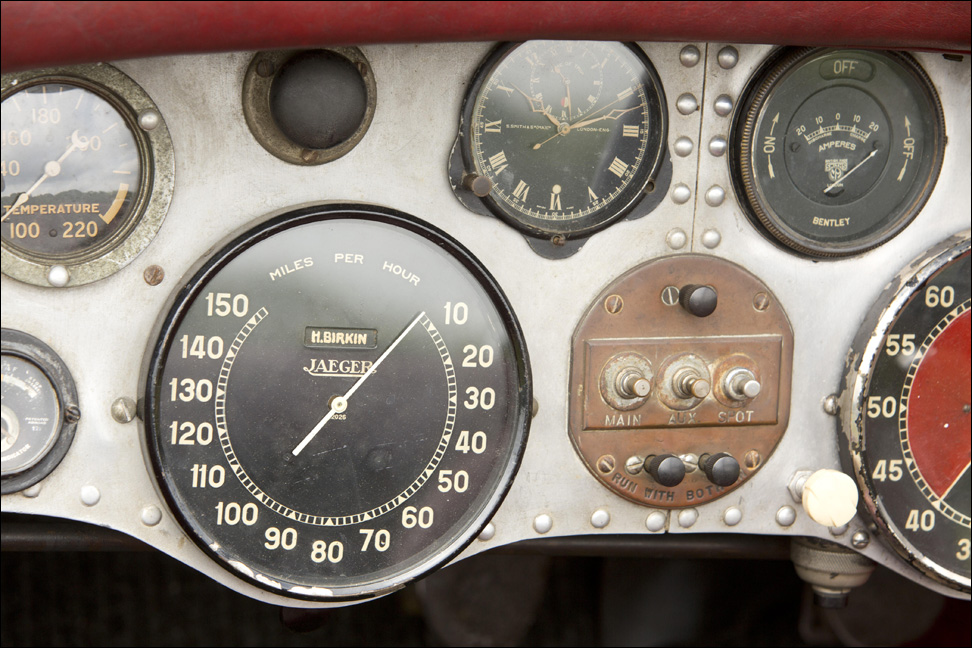
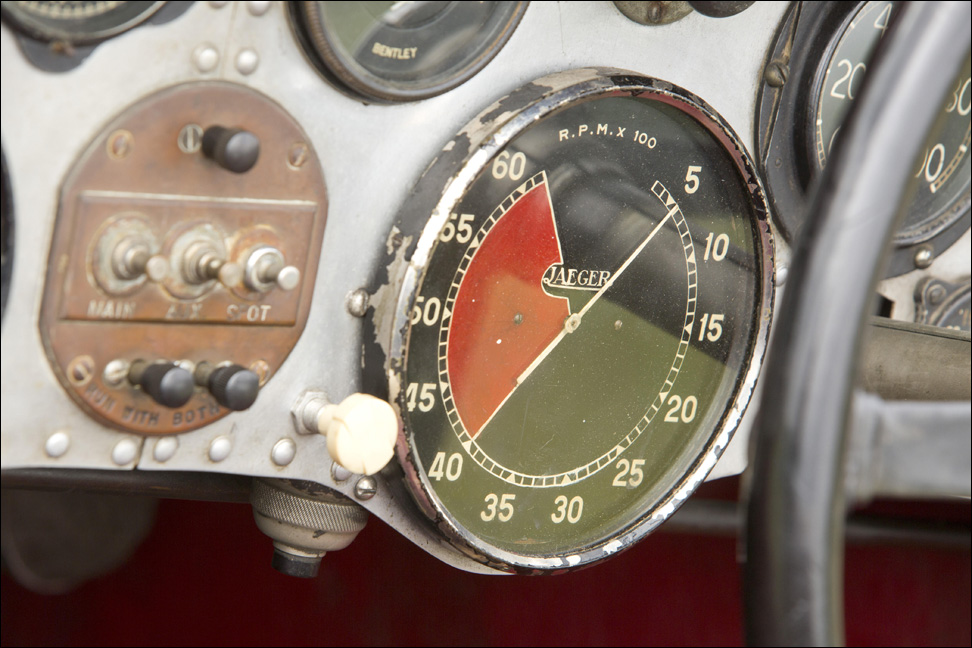
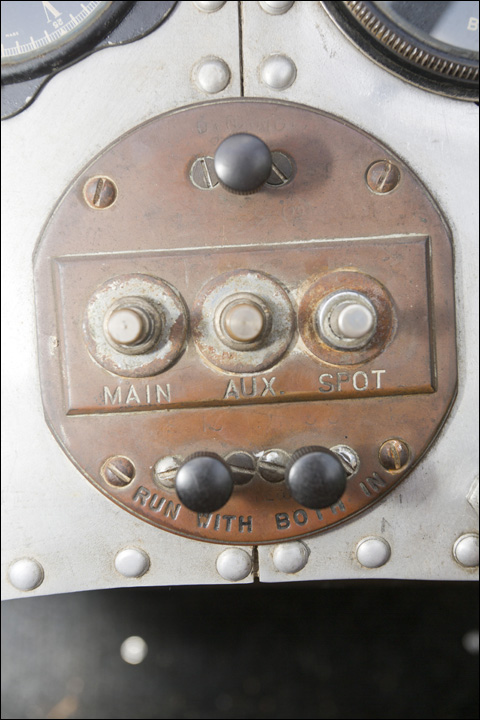
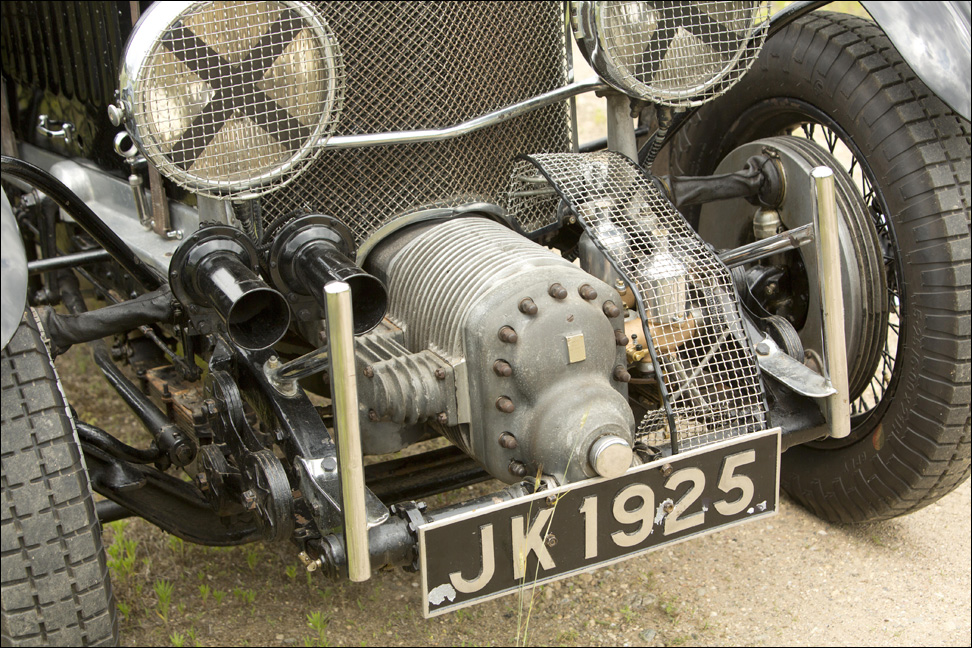
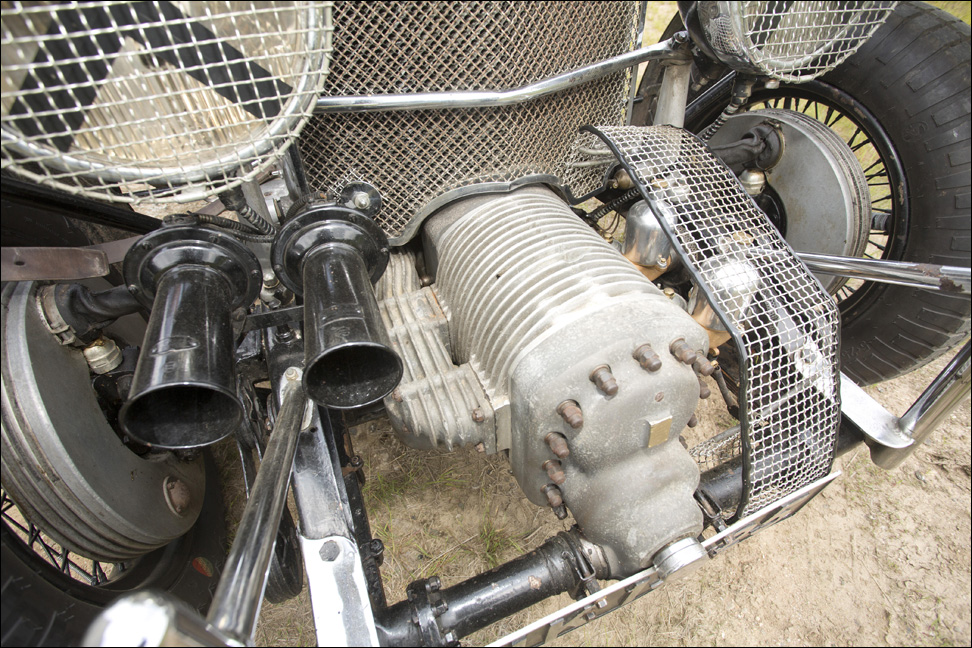
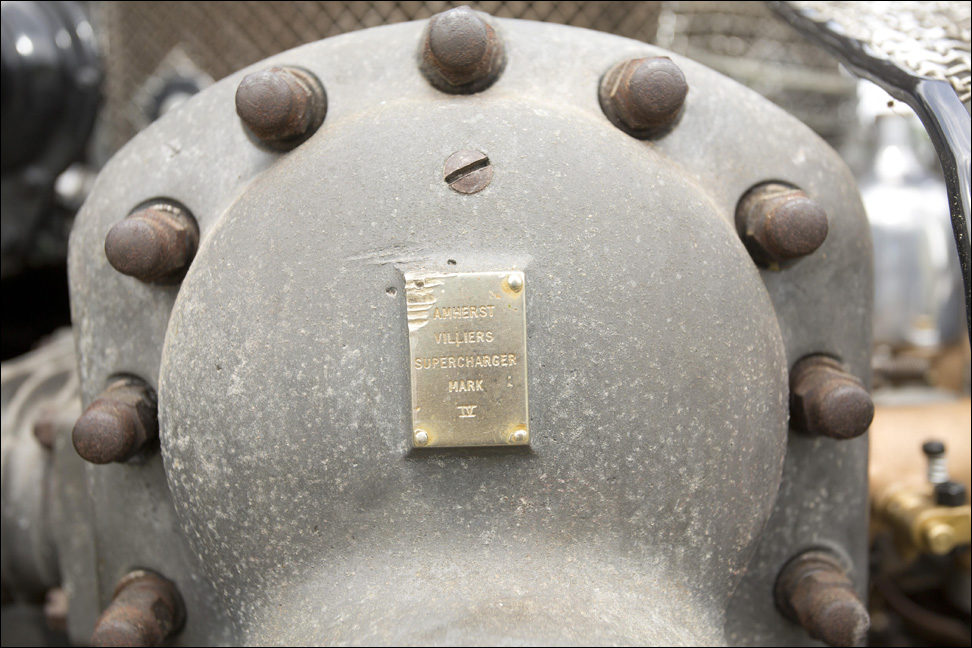
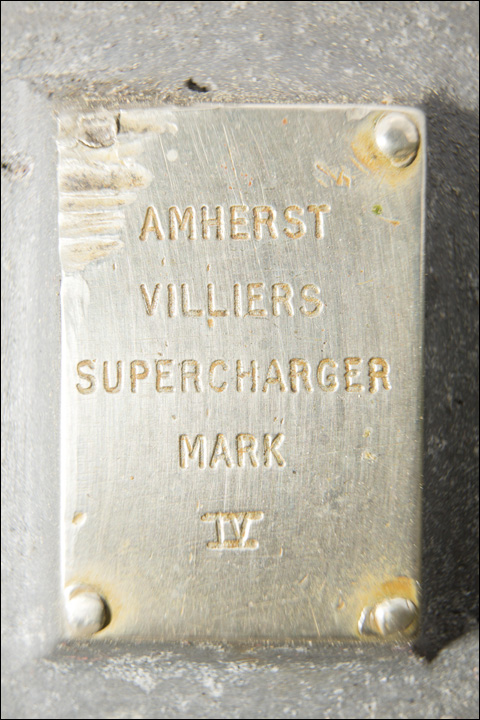

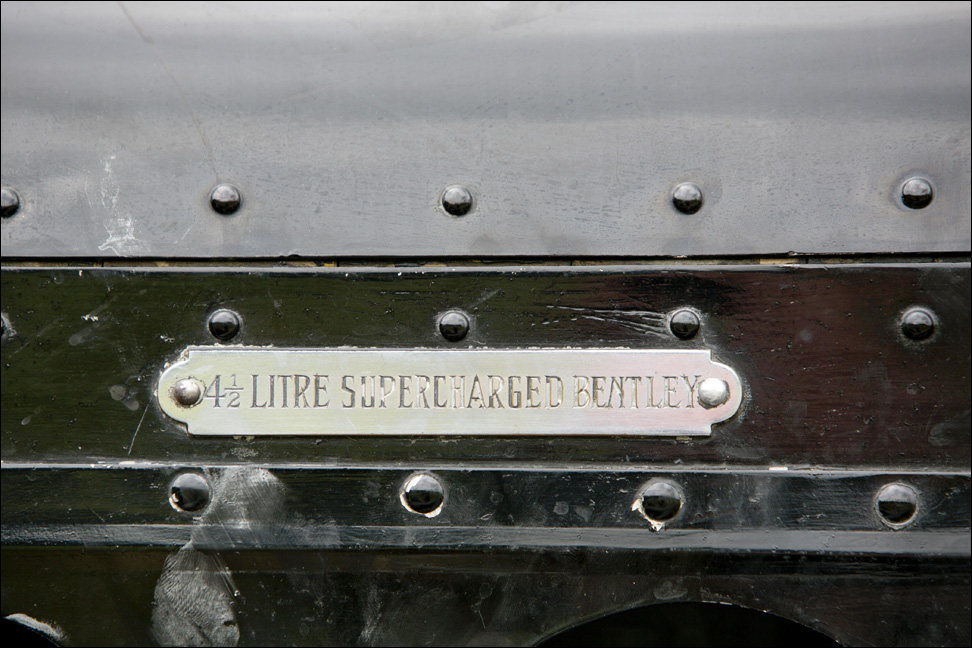
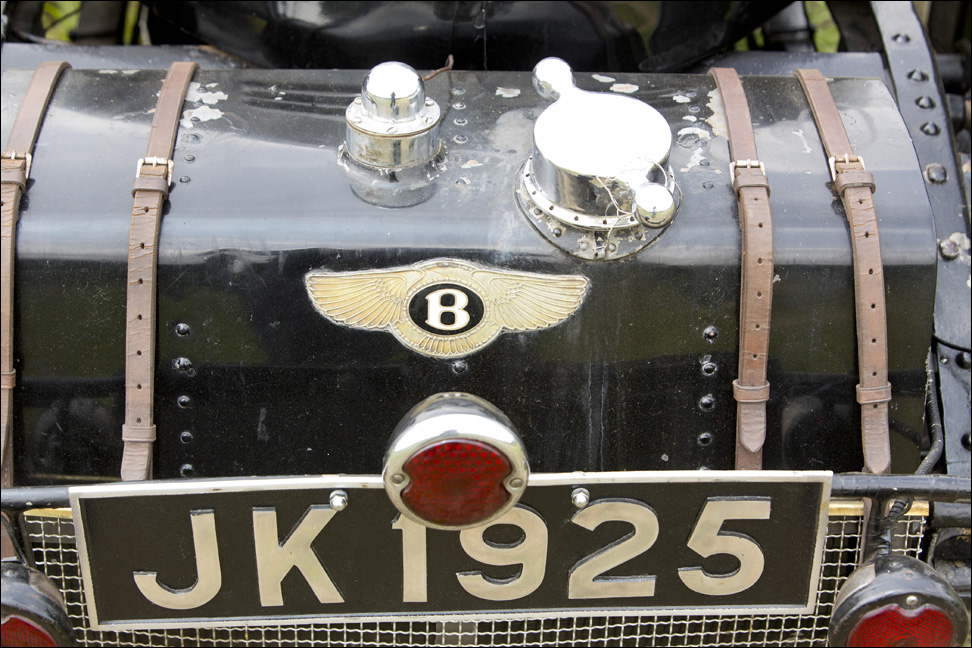
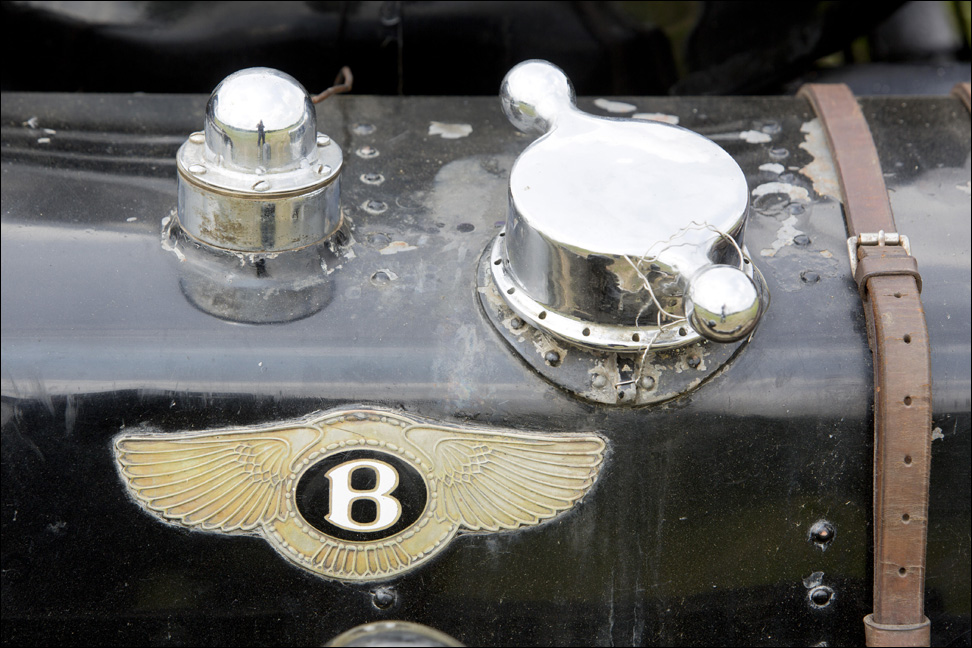
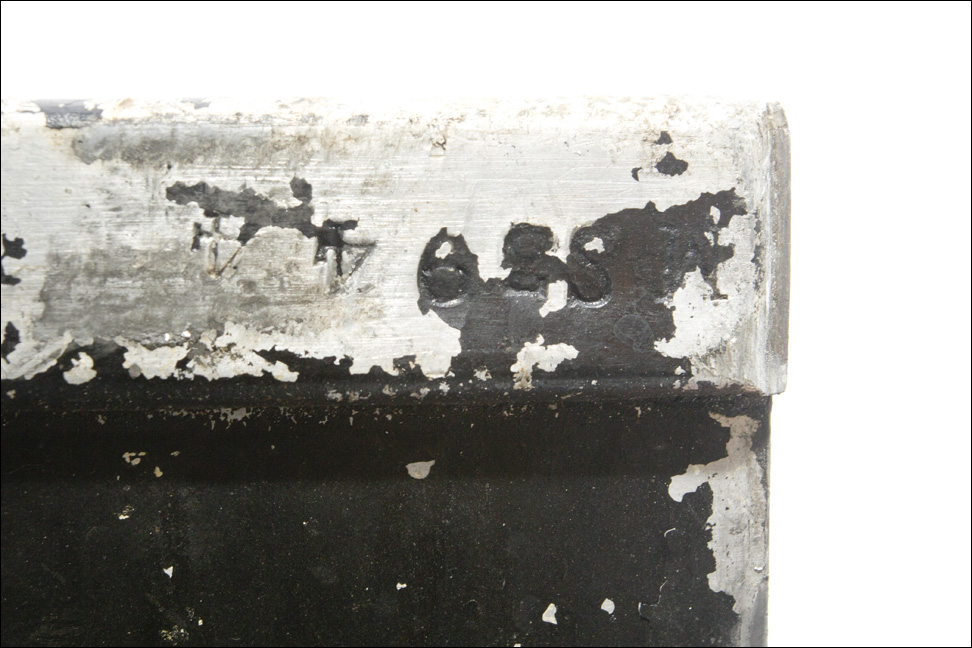
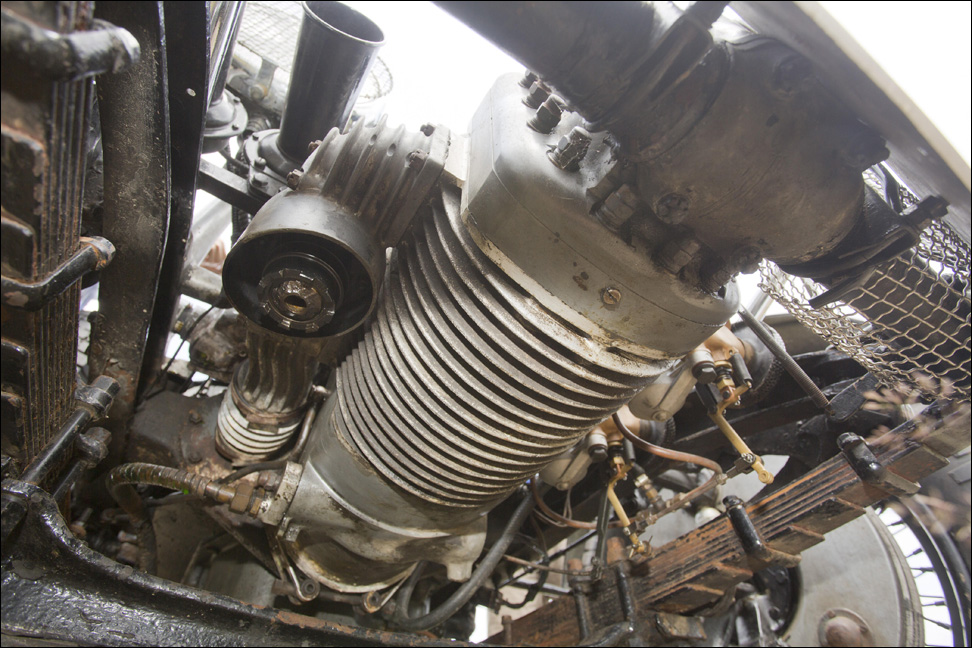
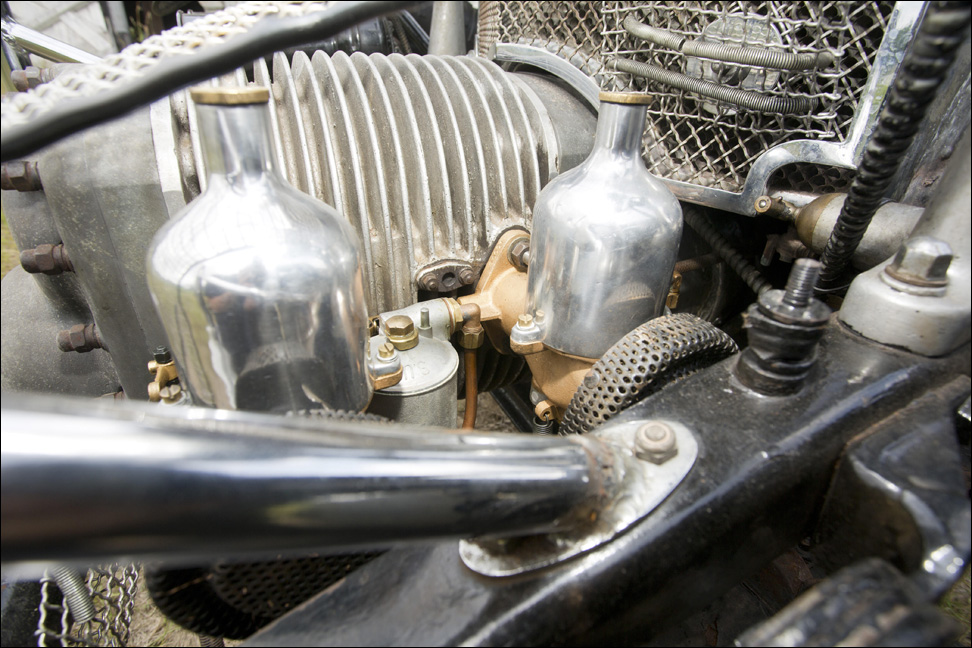
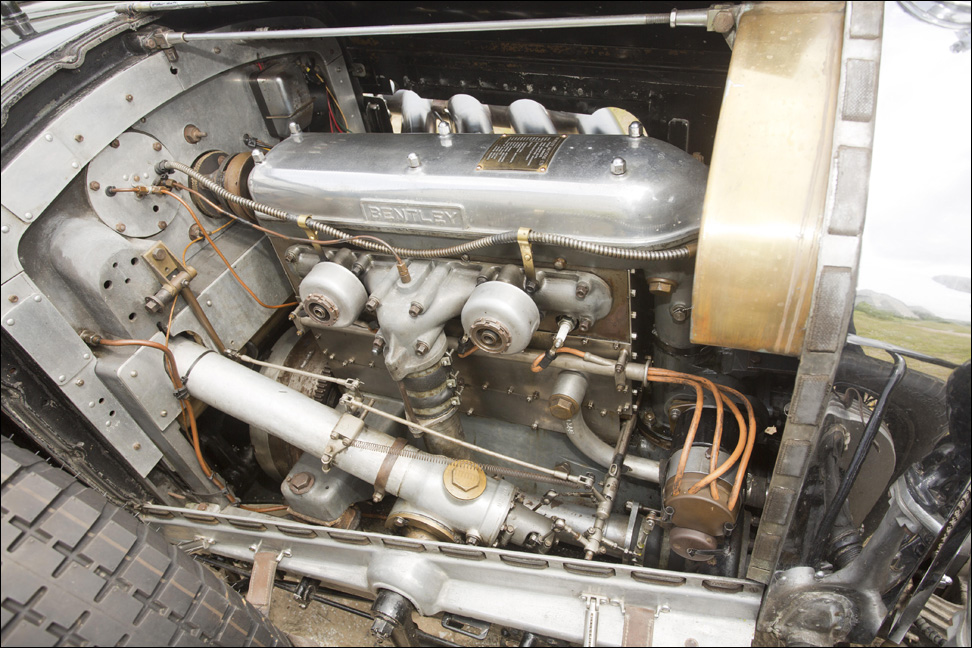

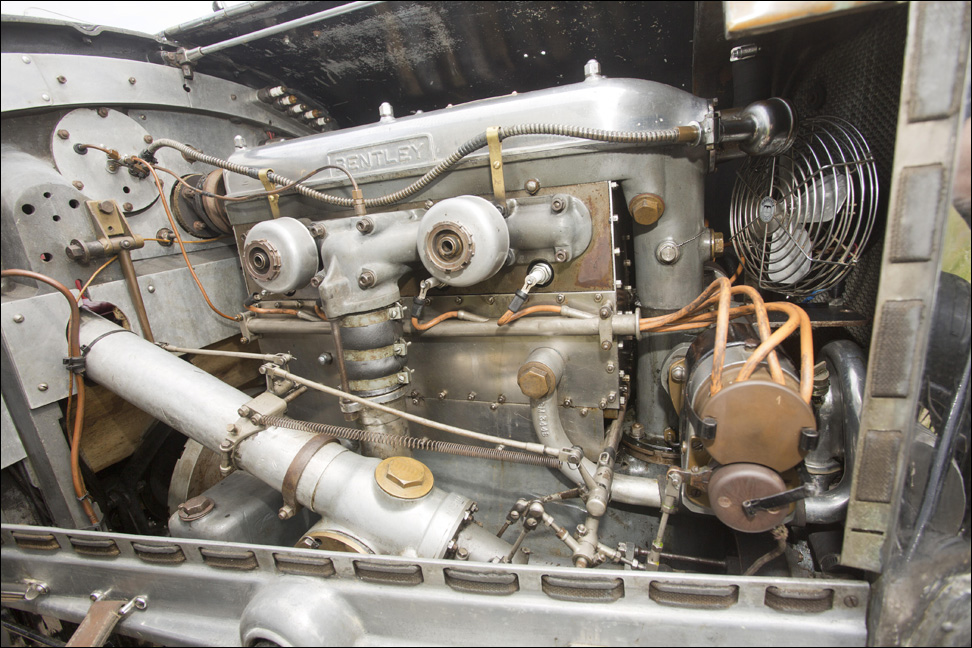
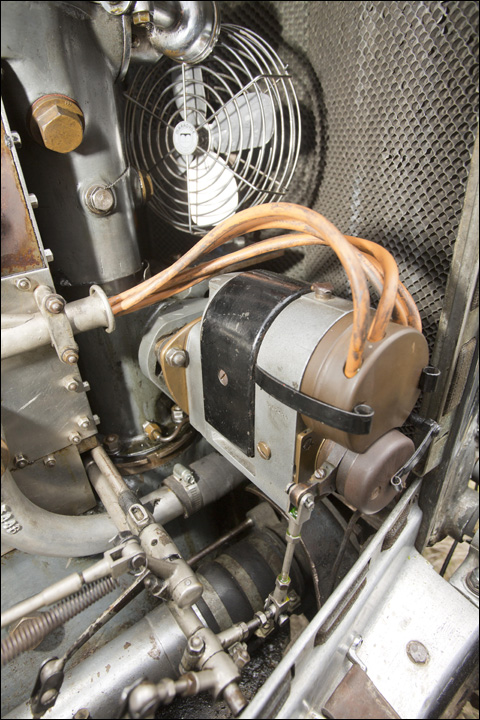
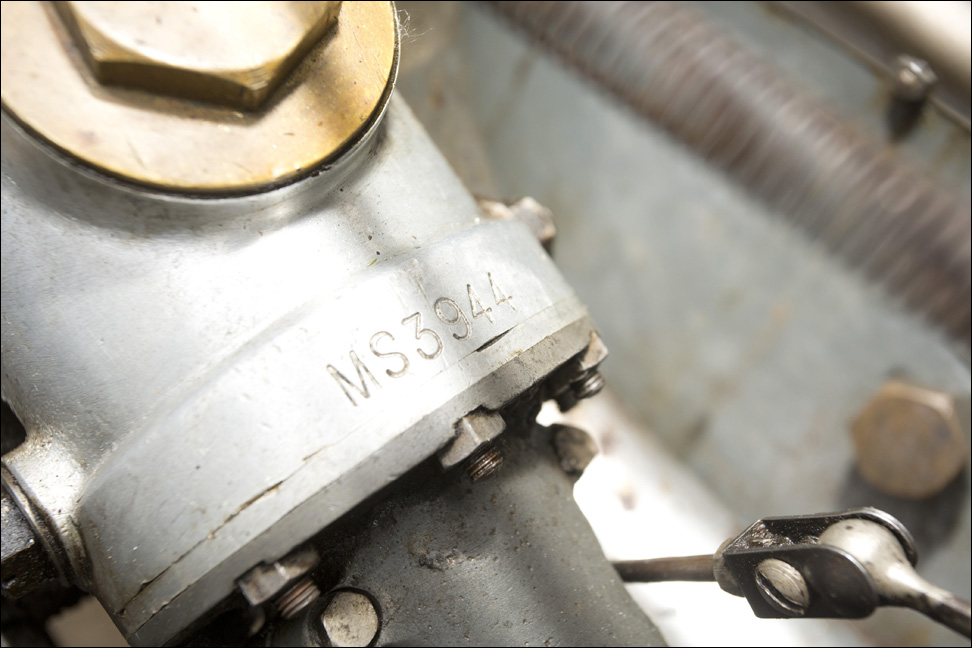
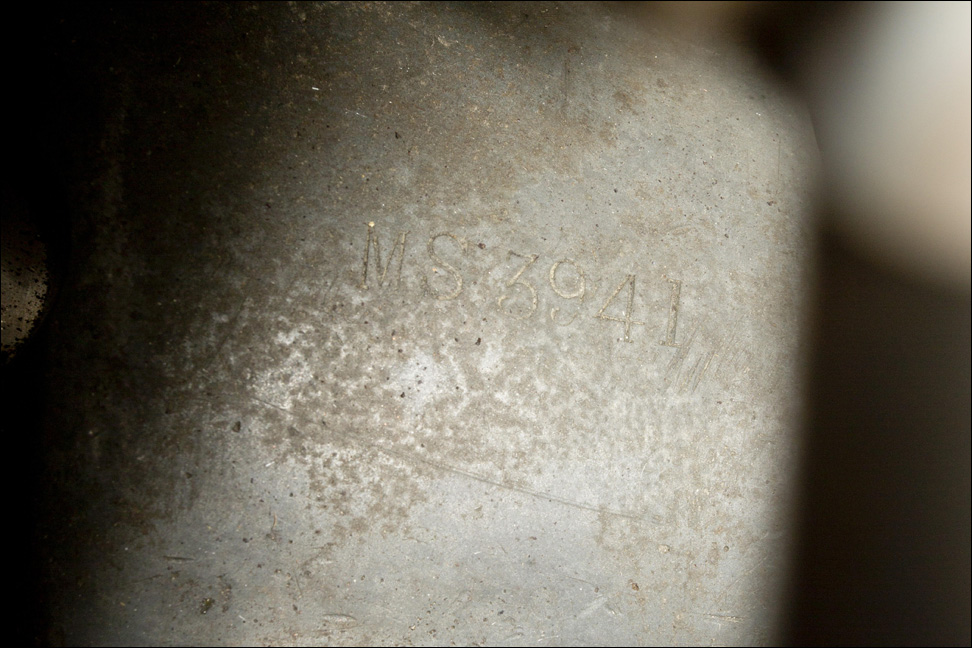
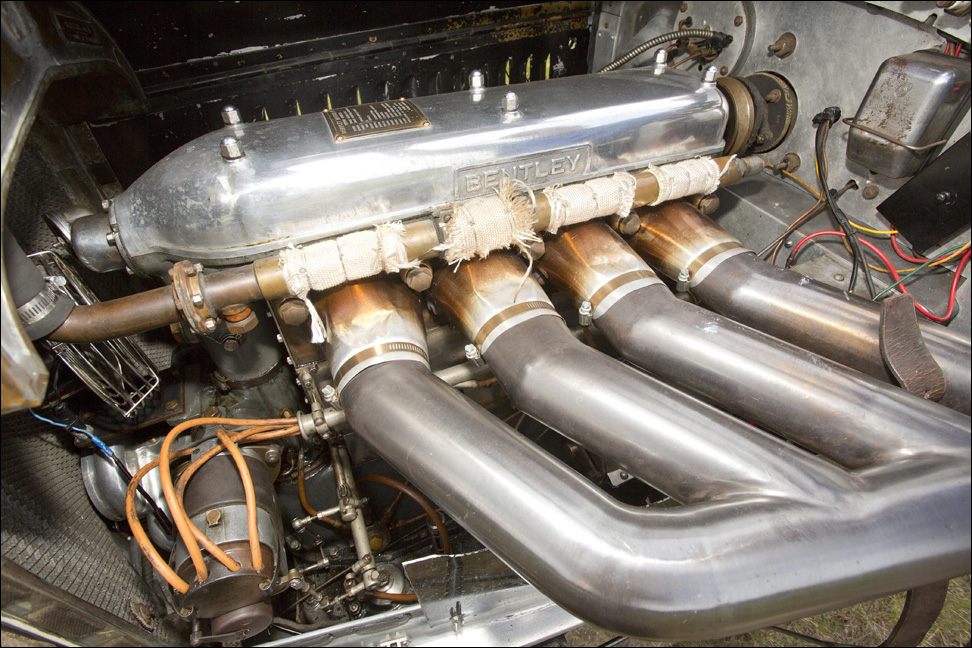
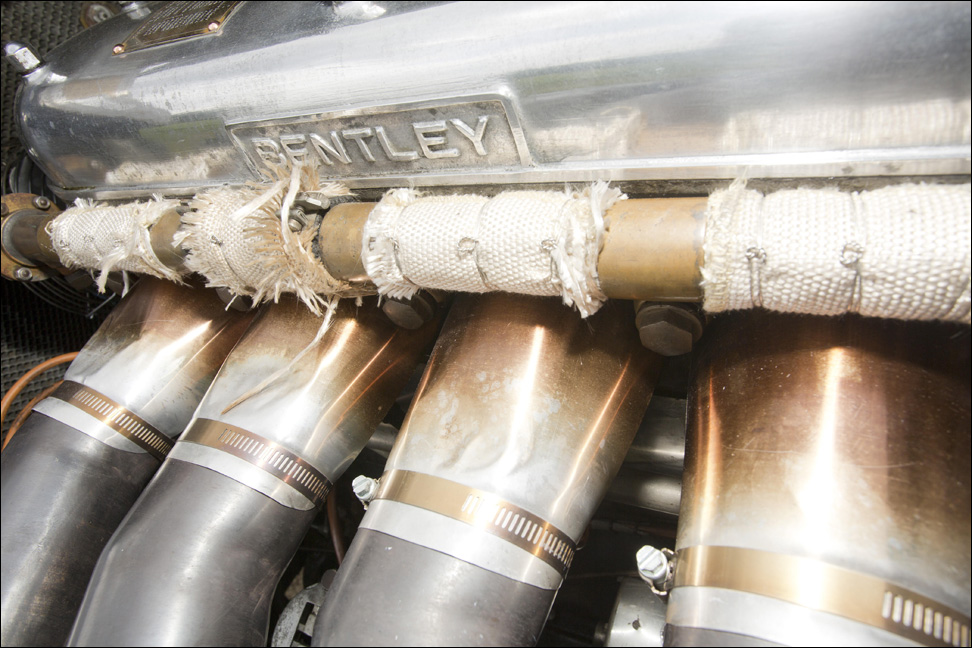

Source: Bonhams
Posted: Jul 25, 2013
2011
Click on thumbnail for larger view
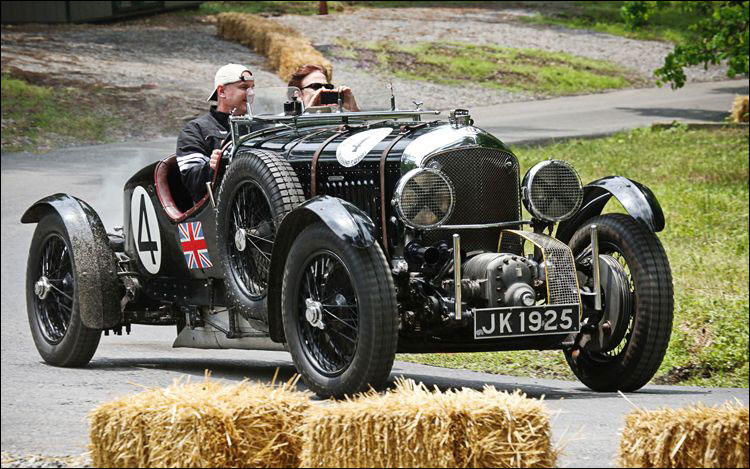
Source: September 2011 issue of the 'Automobile Magazine'
Posted: Aug 18, 2011
February 29, 2008
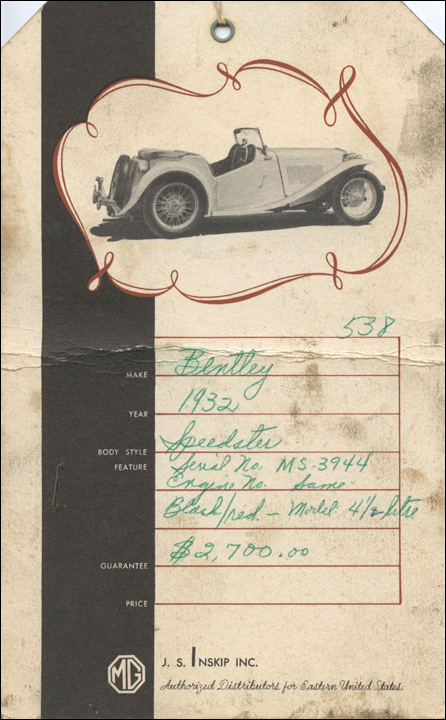
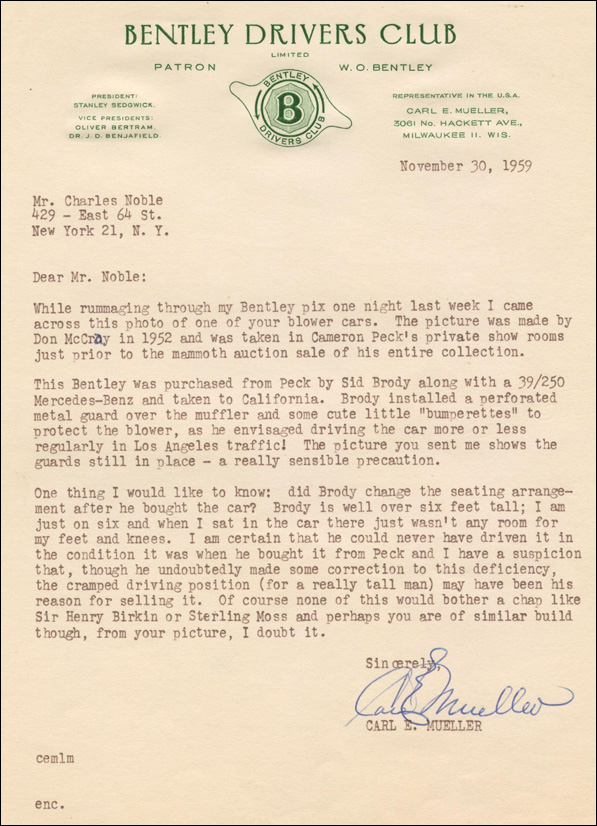
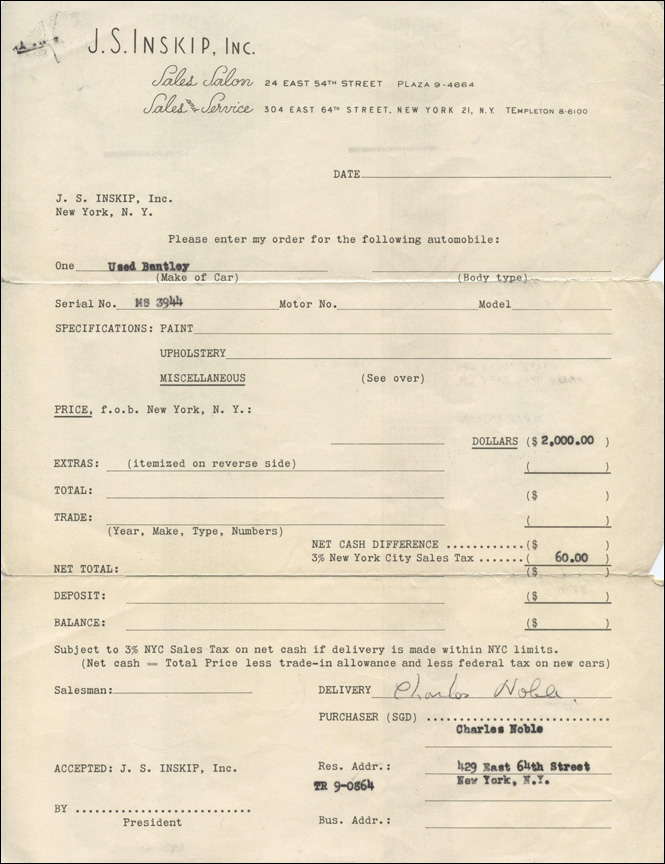
"This car has been owned by my family since 1957. Purchased by my father from J.S. Inskip, Inc in New York City. Car was originally owned from new by H. Leeson Esq. a passionate Bentley owner. The car was originally commissioned by Leeson as a "Le Mans" model with chassis and coachwork to the Le Mans pattern. Such vehicles were quite rare. The car was also previously owned by the very famous collector Cameron Peck. It was also owned in Canada by Johnson for a very short period."
Source: Roger Noble (Owner)
Posted: Mar 17, 2008
2006
Posted: Jan 1, 0001
1962
Click on thumbnail for larger view
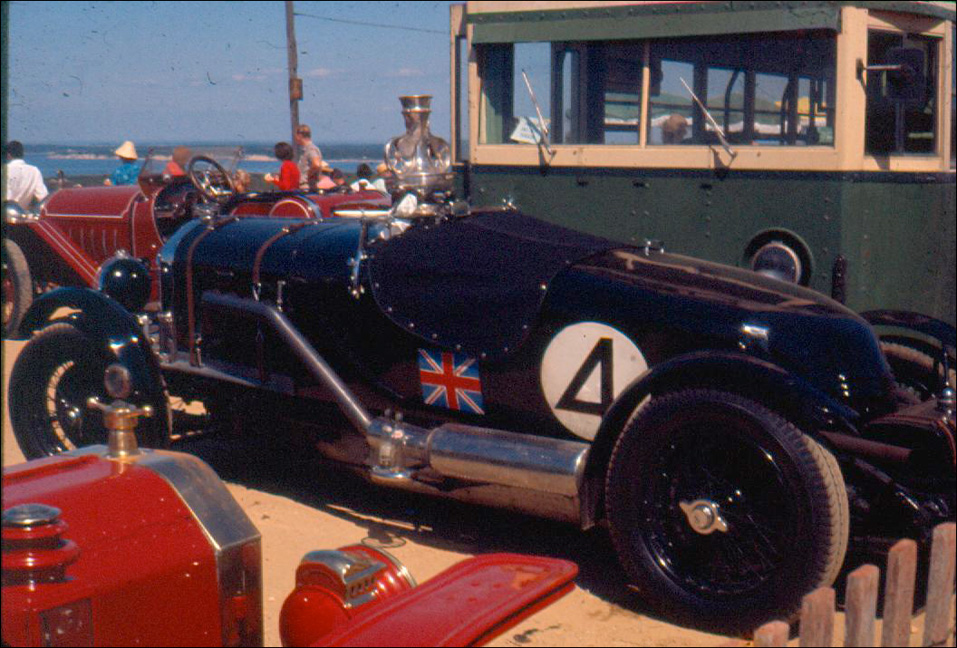
Source: Ed Grazda
Posted: Jul 25, 2013
1942
Click on thumbnail for larger view
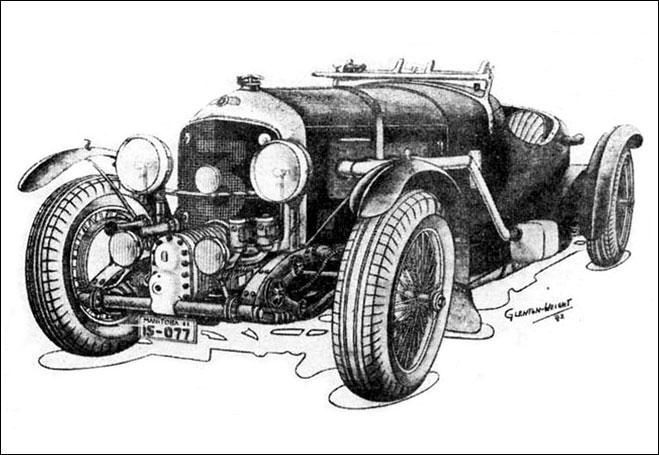
Source: From article, Empire Reactions to the Sports Car published in The Motor - April 8, 1942 Posted: Mar 10, 2008
Posted: Jan 1, 0001
1941
Click on thumbnail for larger view
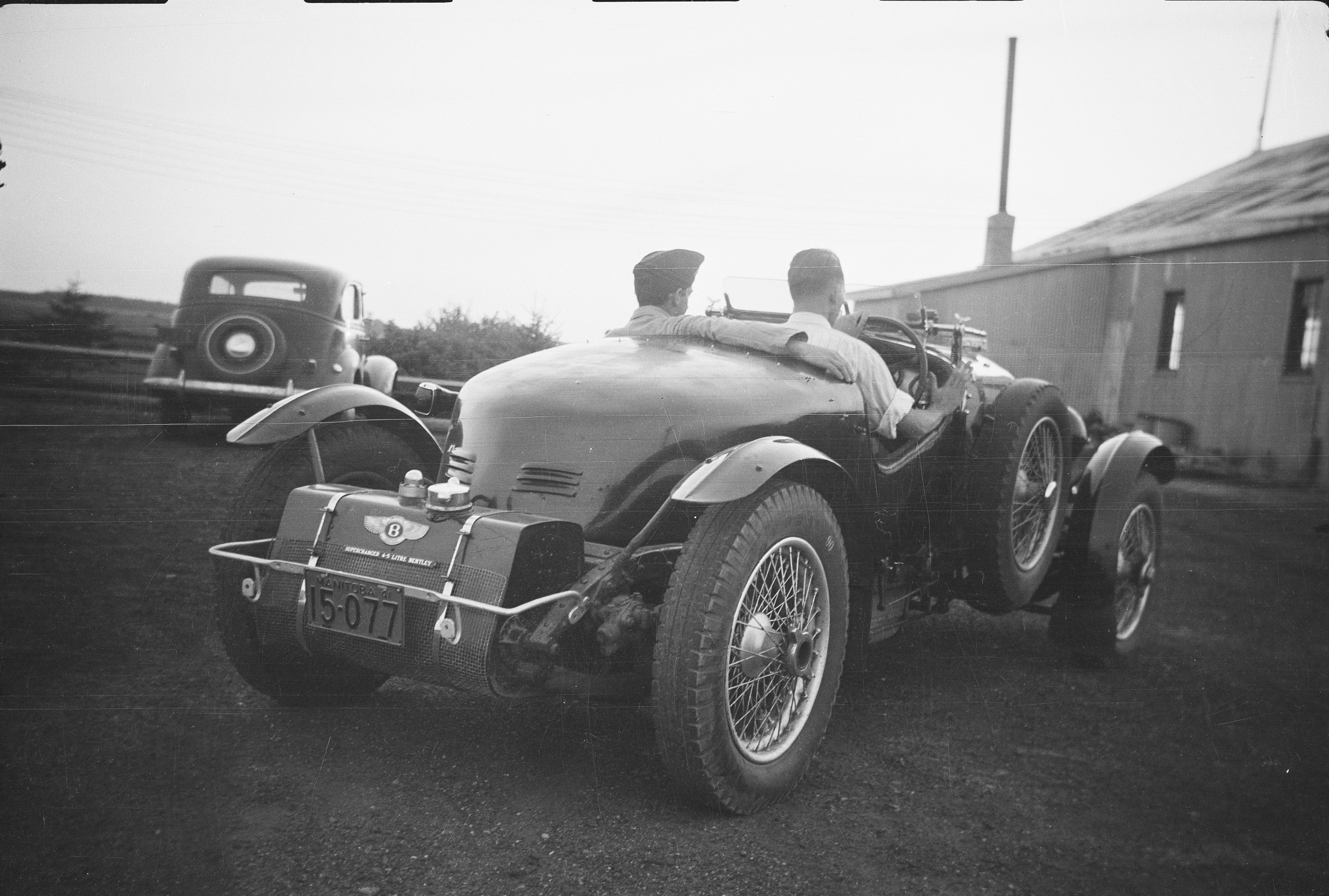
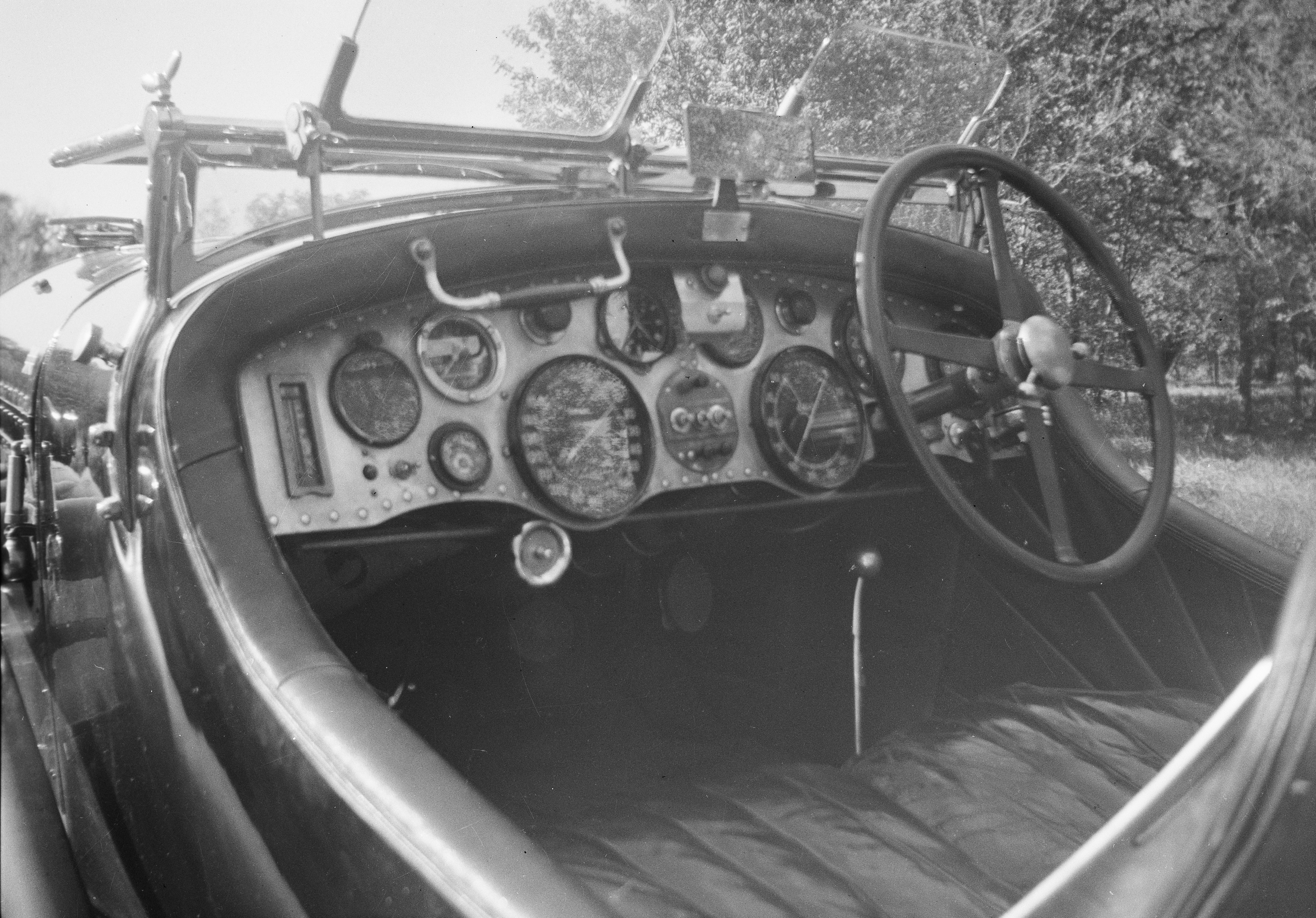
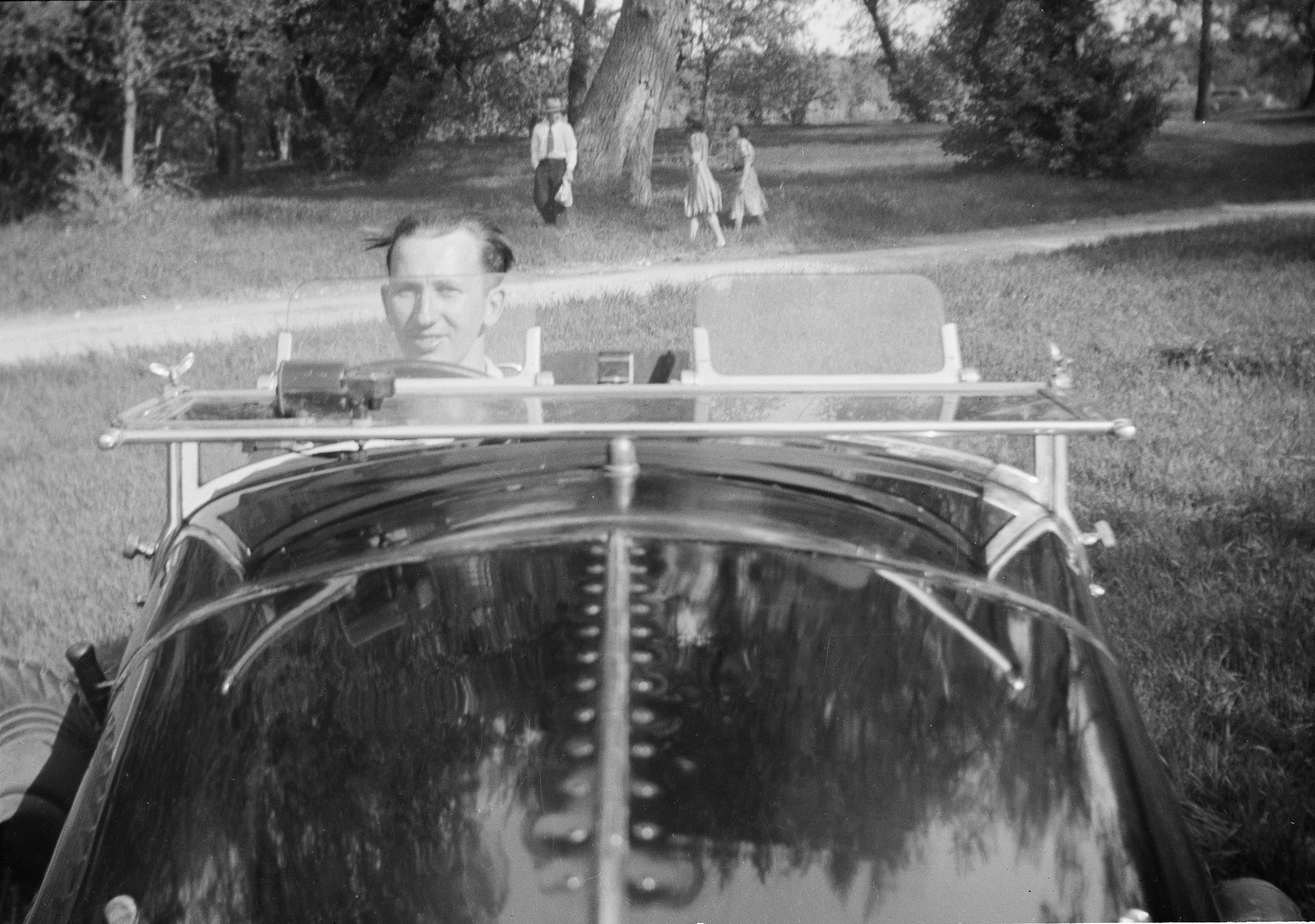
Source: Bruce Mackenzie
Posted: Aug 12, 2026
1941
Click on thumbnail for larger view
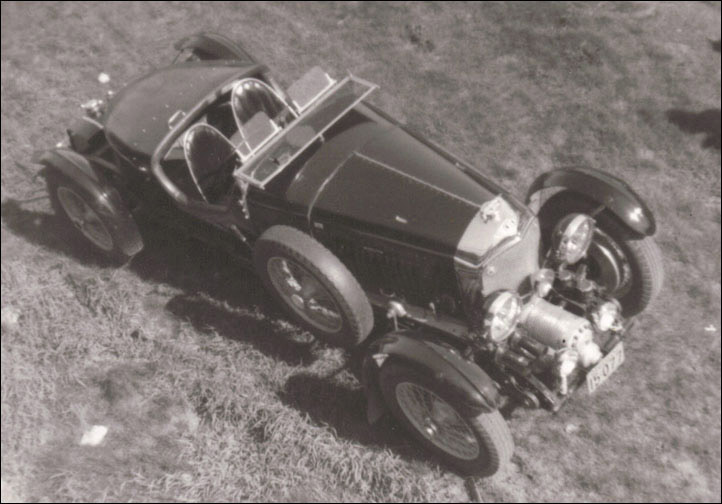
Source: Unknown Posted: May 14, 2007
Posted: Jan 1, 0001
1940
Click on thumbnail for larger view
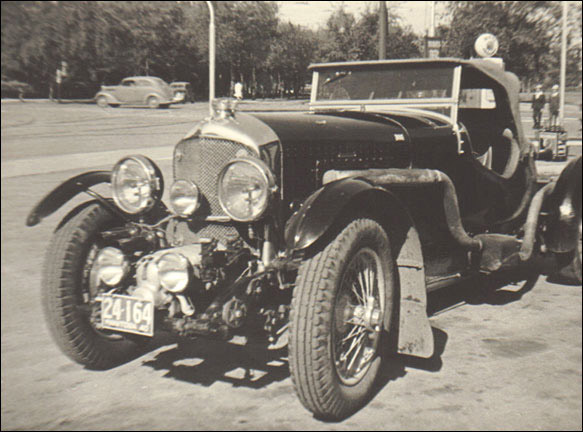
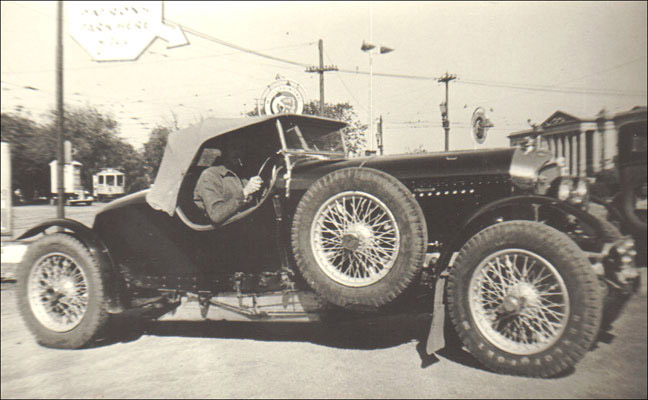
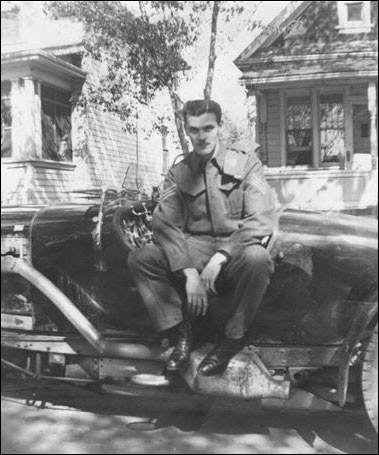
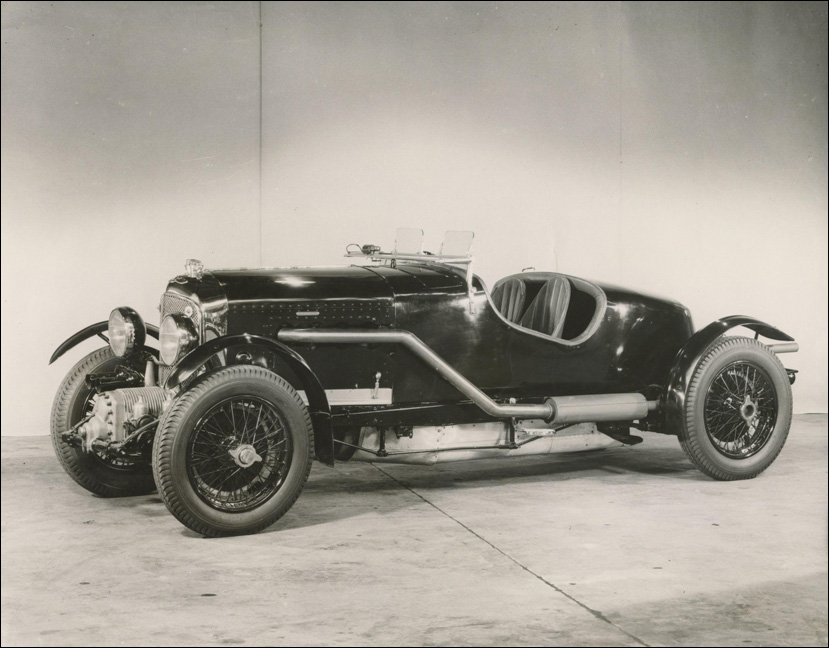
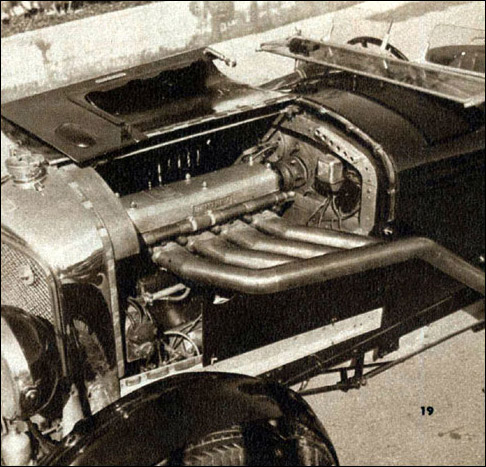
"My father owned a 1929 4½ Litre Blower in 1940 in Winnipeg Manatoba, Canada. It was modified into a 2 seater with the leather body removed and a boat tail installed. He owned this car for just over a year. The story was that it was brought to North America for a coast to coast race that for whatever reason never took place. I have pictures of the car. My father had to sell it when he went overseas in WW2. He was told that the car was returned to the New York area in the early 1940s. He bought the car for $500. and after he rebuilt the engine and drove it for a year he sold it back to the fellow he bought it from for $1000. This fellow's name was Hall McKenzie, a large Canadian car collector from those years. Any idea as to how I would find out just where this car ended up?
I believe that these photos were taken around 1940. He told me that when he first saw the car that it came into town on a rail car and that it was not in running condition. It apparently was hidden so as they did not have to pay duty on it. No one could get it to run so my father who was a mechanic at Dominion Ford purchased it.
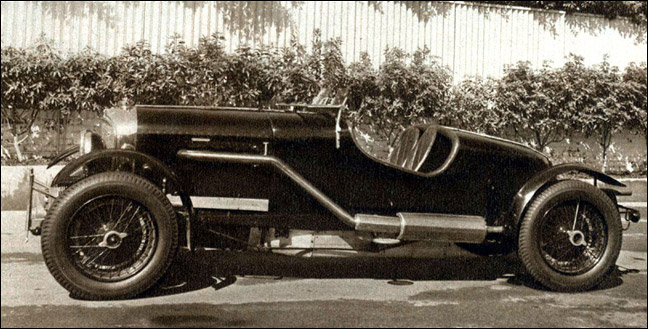
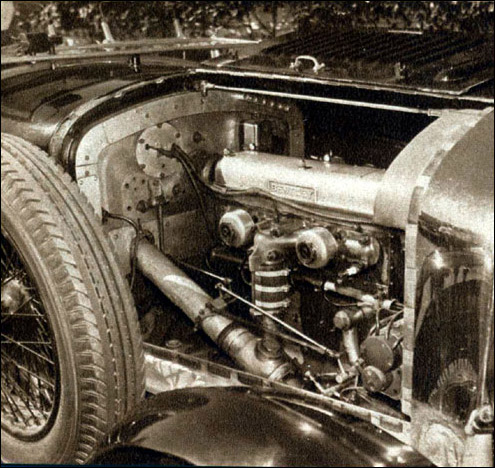
My father told me that he had never seen an engine before that you could not take the head off. He modified Ford tractor valves to replace the burned valves in the engine. From the picture you can also see that he used Stromberg carbs. He also made the exhaust which looks like it could cause some very serious burns."
"My father's name was Ross Frame. He was born in 1912 and started to work as a mechanic and a welder when he was 15. When he died at age 72 he still owned a service station and was pulling wrenches in the garage."
Source: Stan Frame Updated: May 14, 2007 Updated: May 11, 2007 Posted: May 08, 2007
Posted: Jan 1, 0001
1939
Click on thumbnail for larger view
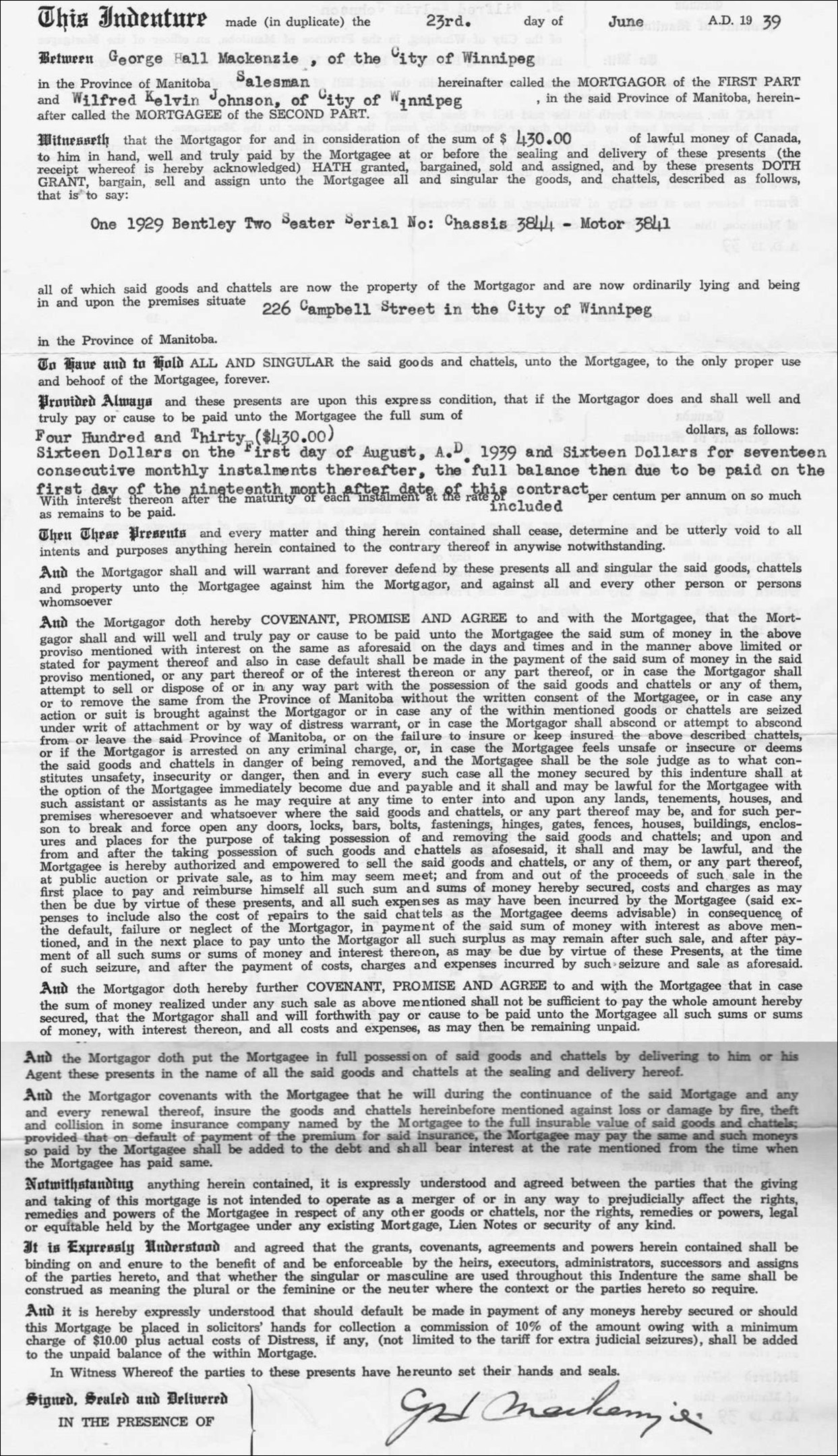
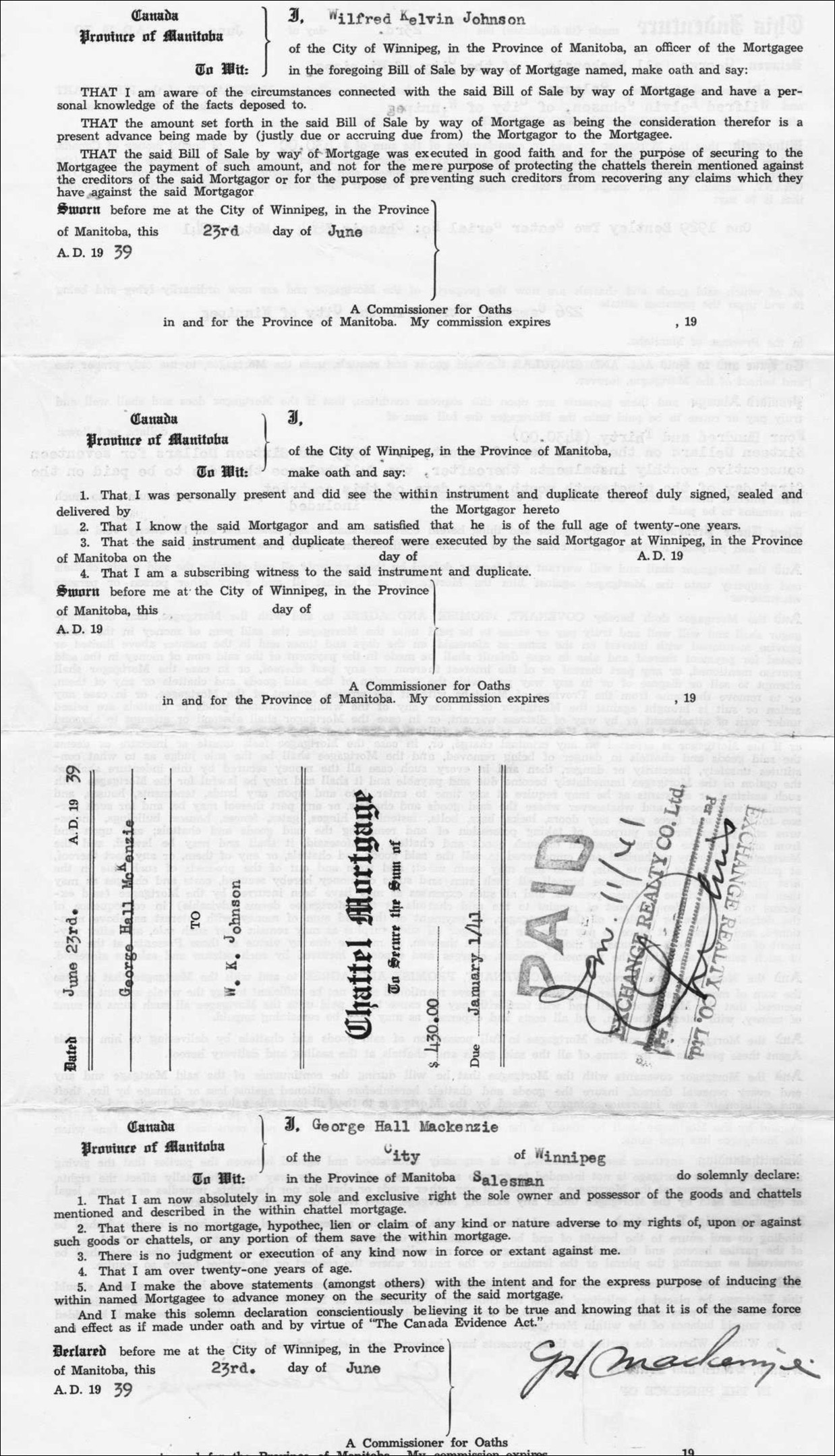
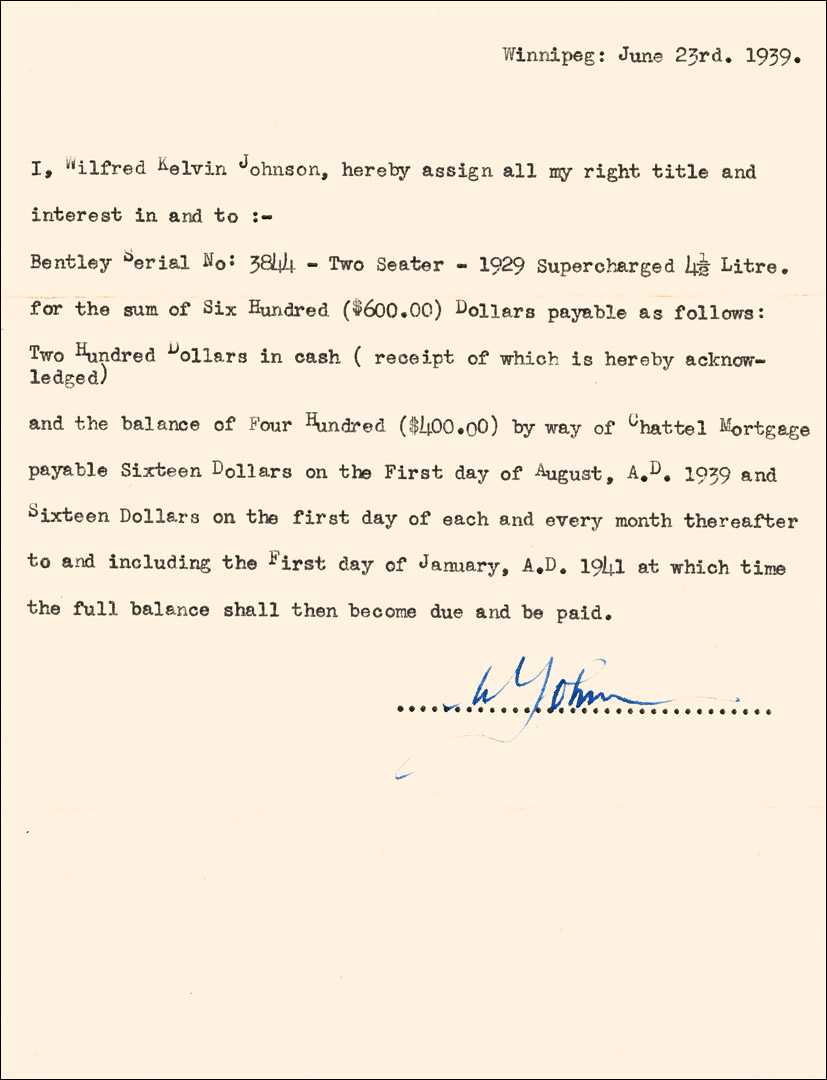
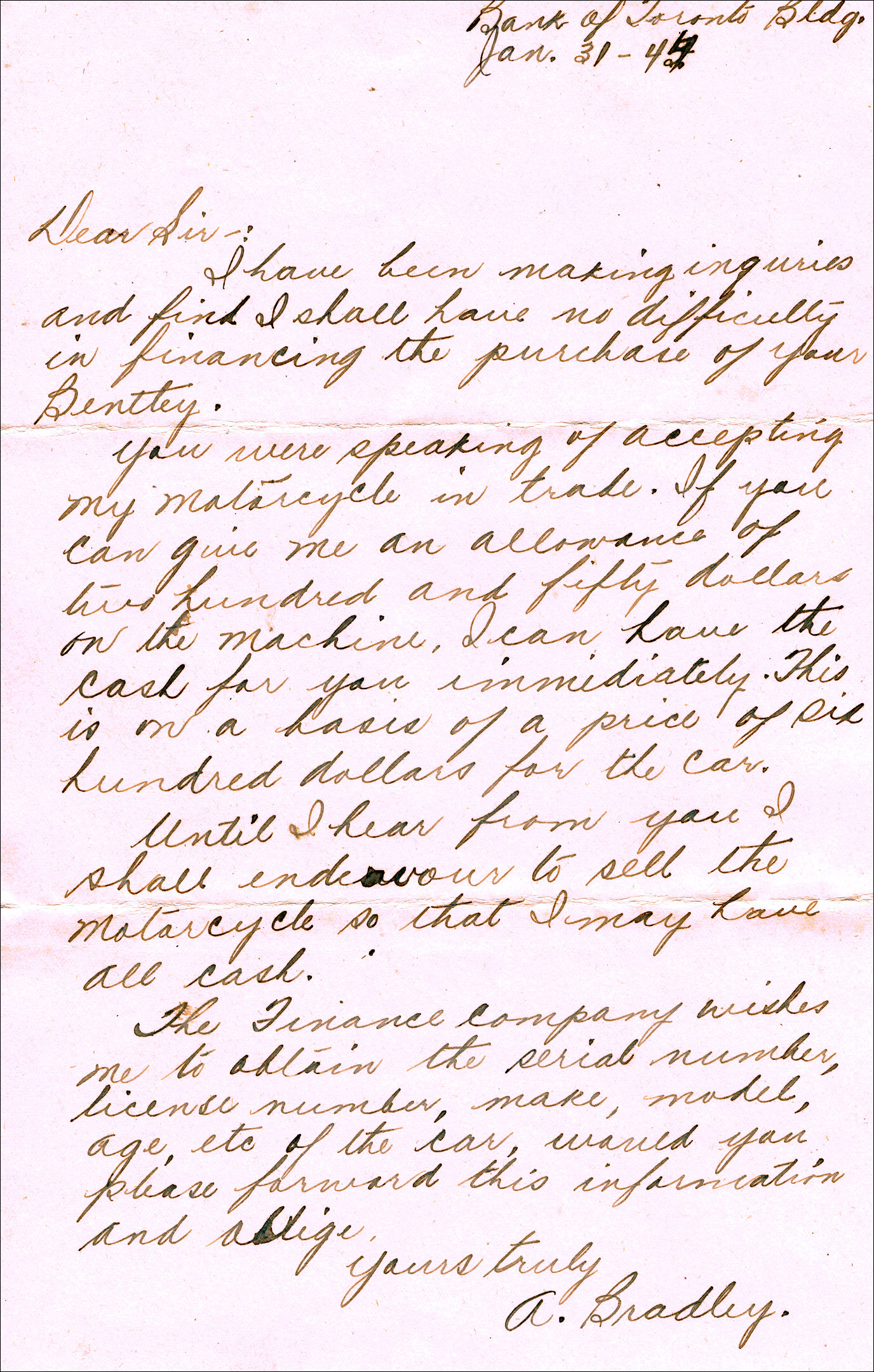
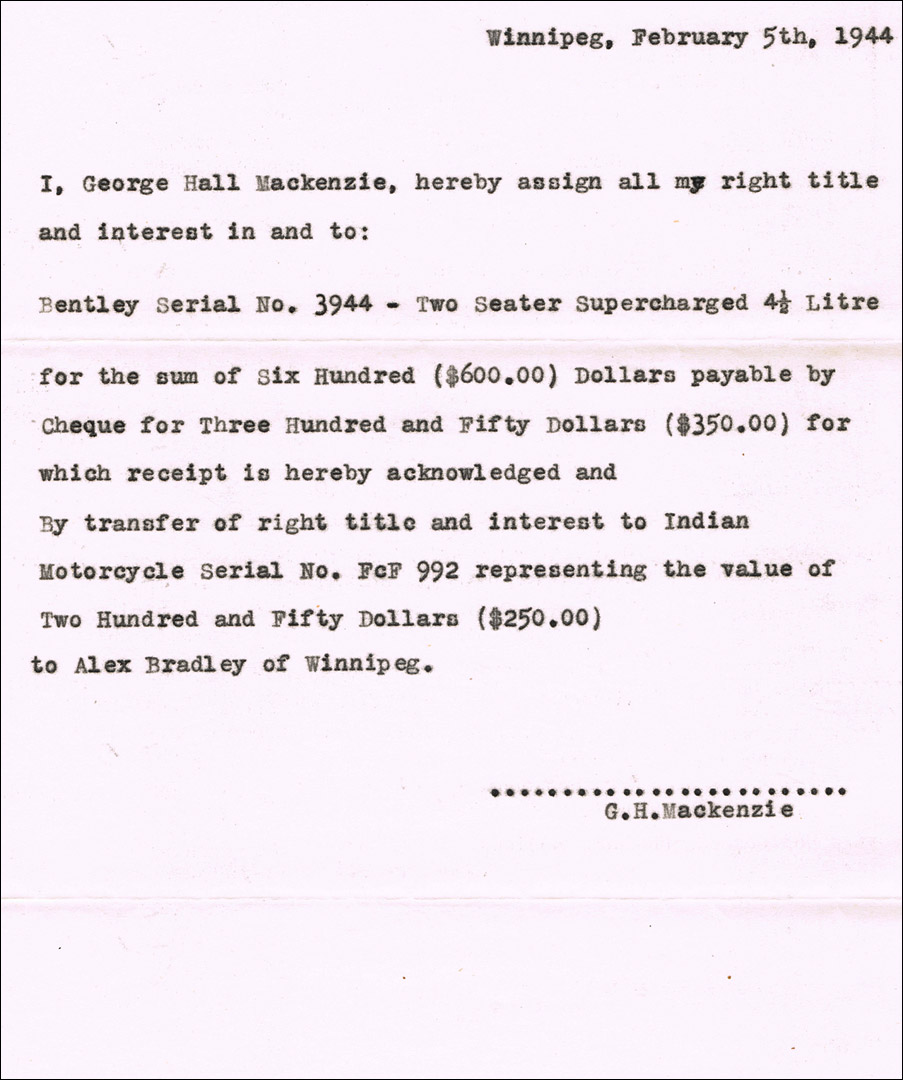
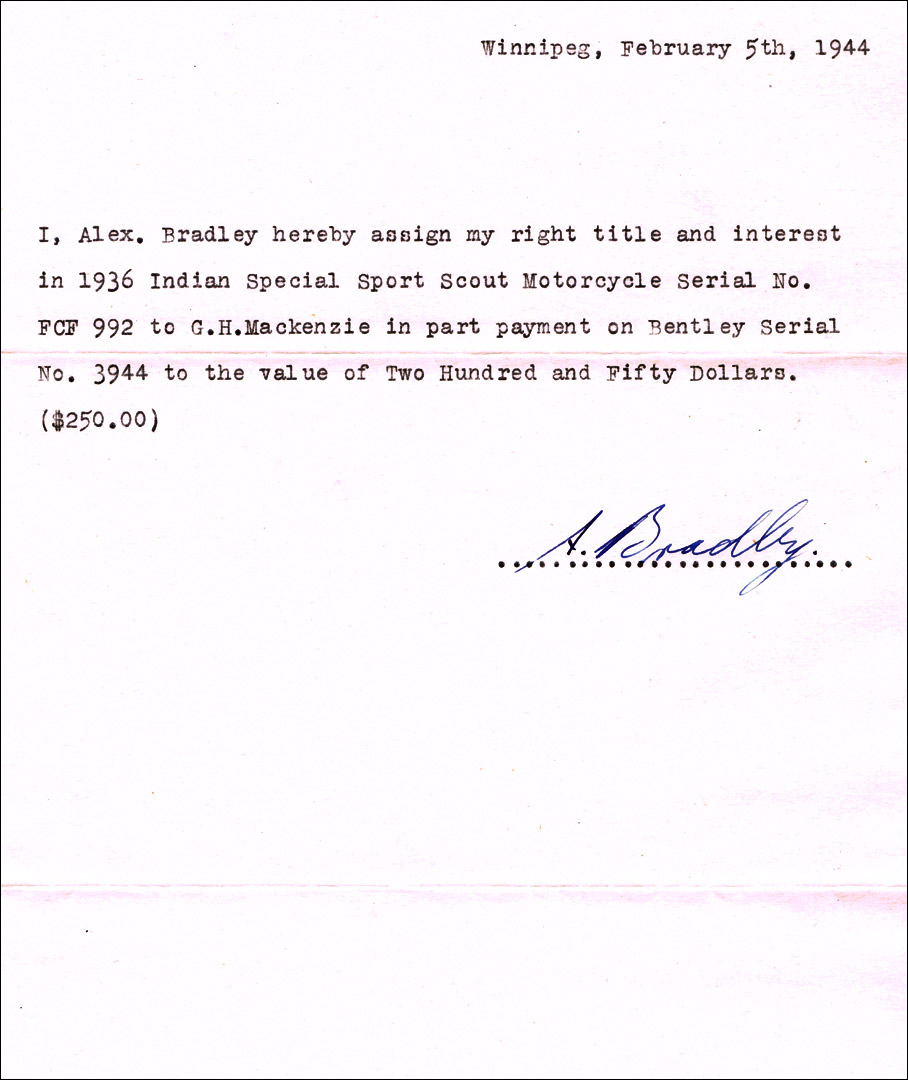
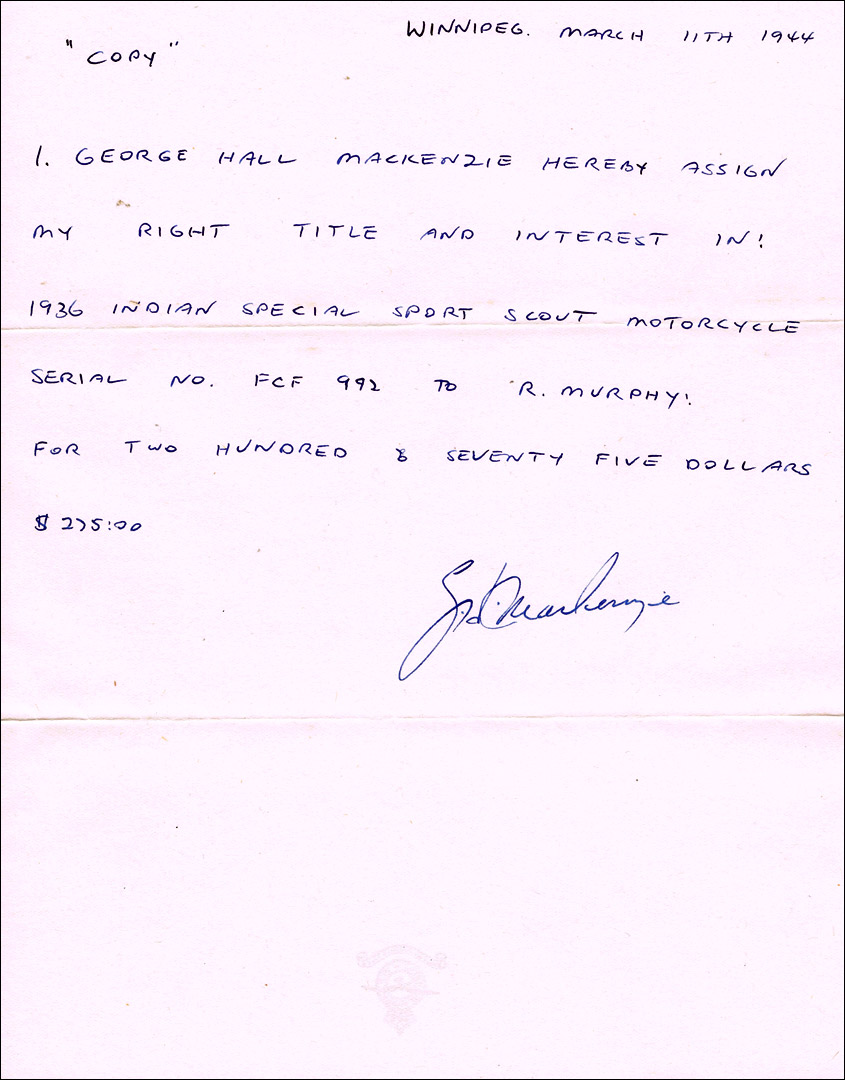
My father, who was very good at record-keeping, died in 1993. I found in his effects the papers for his purchase and sale of the car, and recently turned them over to the present owner in Germany, who gave me a chance to see it up close. I scanned the documents and would like to submit them as part of the historical record of the car.
My father G Hall Mackenzie purchased MS3944 on June 25, 1939. I attach scanned copies of:
* The 1939 Purchase Agreement for $600 from Wilfred Kelvin Johnson, agreeing to pay $200 up front, and the balance at $16.00 / month
* The 1939 Indenture on the car holding up the agreement to pay by the month for 18 months, with balance due in 1941
* A 1944 letter from Alex Bradley asking to purchase the car, with his motorcycle in trade
* The 1944 Sale Agreement, selling the Bentley to Alex Bradley for $600, by $350 cash and an Indian Motorcycle in trade worth $250
* The 1944 Purchase Agreement for the Indian Motorcycle for $250
* The 1944 note selling the Indian Motorcycle to R. Murphy for $275
I submit these as part of the historical record of MS3944 in Canada, to accompany my father's article about his ownership of the car. The originals are now in the possession of the current owner in Germany.
Note: The purchase document uses MS3844 but this is corrected in the sale document."
Source: Bruce Mackenzie (Son of former owner)
Posted: Jun 1, 2017
1939
Source: Bruce Mackenzie (Son of former owner)
Posted: May 30, 2017
1937
Click on thumbnail for larger view
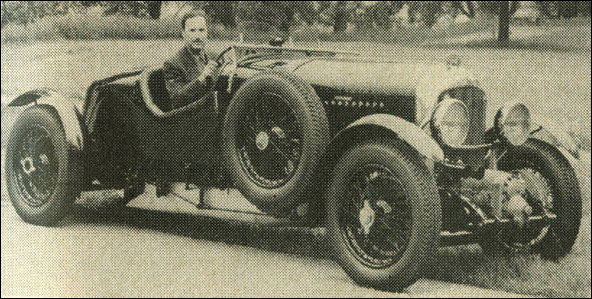
Source: Speed and Sport, R. E. Petersen, 1952
Posted: Oct 9, 2007
Click on thumbnail for larger view
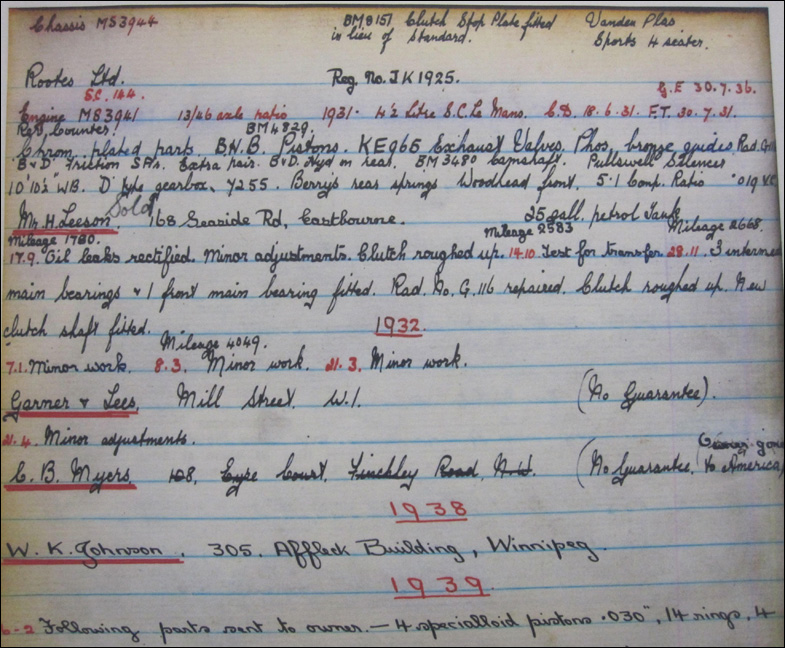
Source: Gooding & Company
Posted: Jul 25, 2013
Click on thumbnail for larger view
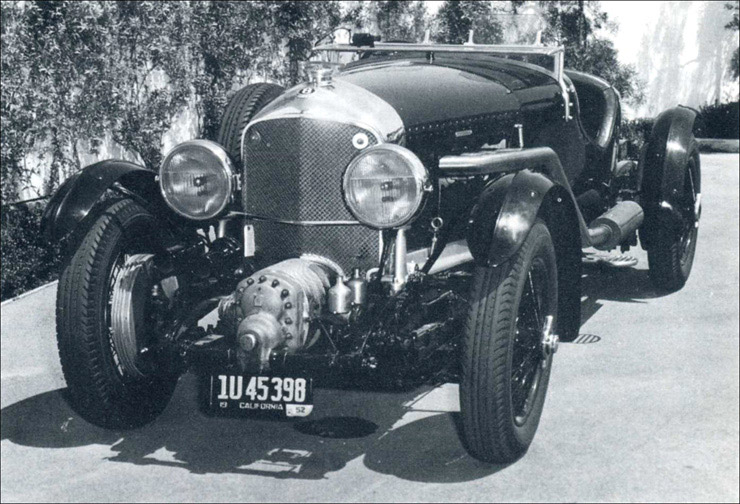
Source: Sports and Classic Cars by Griffith Borgeson Posted: May 22, 2007
Posted: Jan 1, 0001
Source: Zoe St John (Great-nephew of former owner)
Posted: Oct 28, 2014
Click on thumbnail for larger view
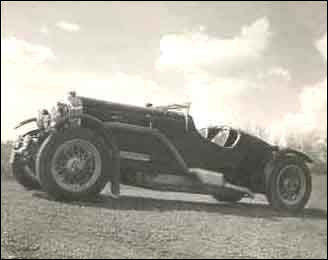
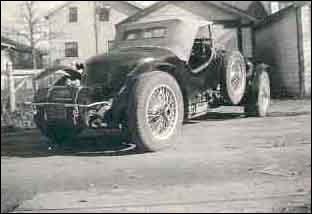
Source: Walter Miller
Posted: Jul 13, 2007
Click on thumbnail for larger view
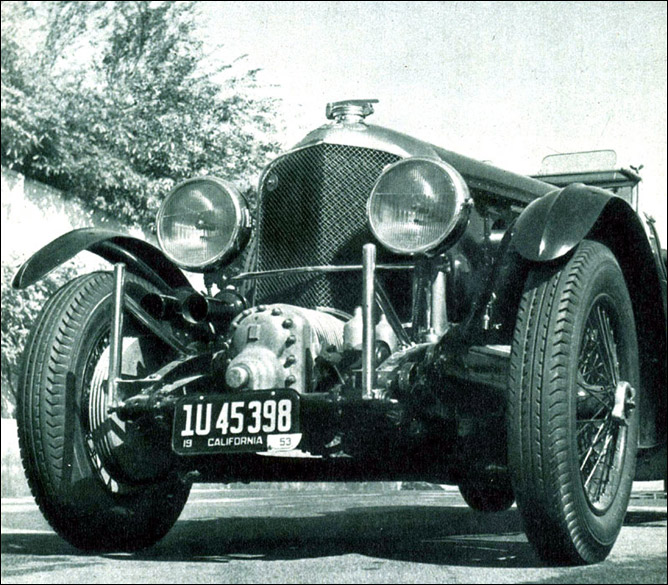
Source: Robert McLellan
Posted: May 30, 2007
Click on thumbnail for larger view
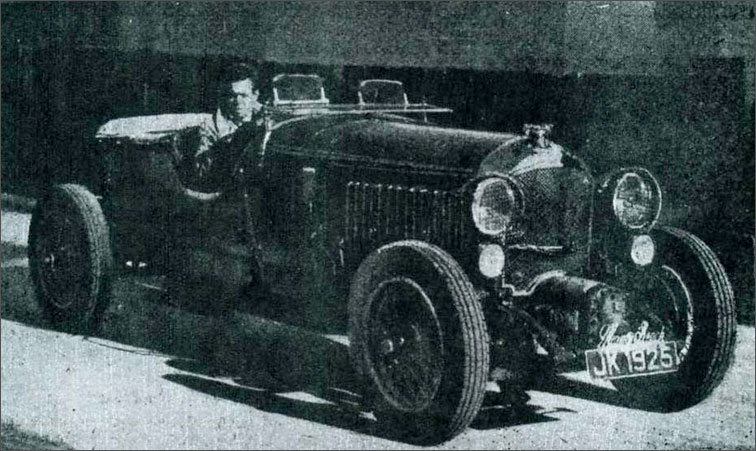
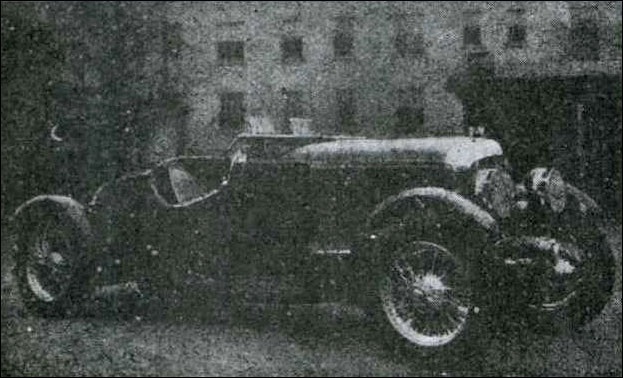
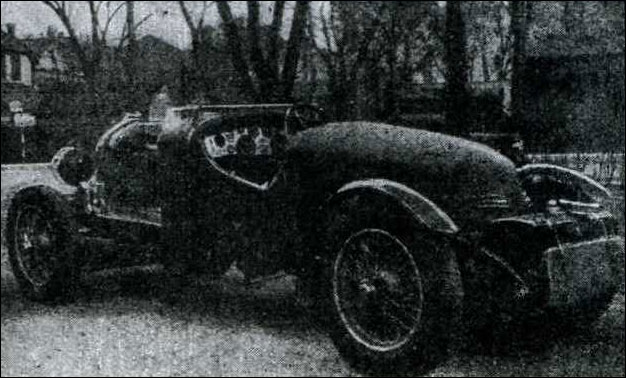
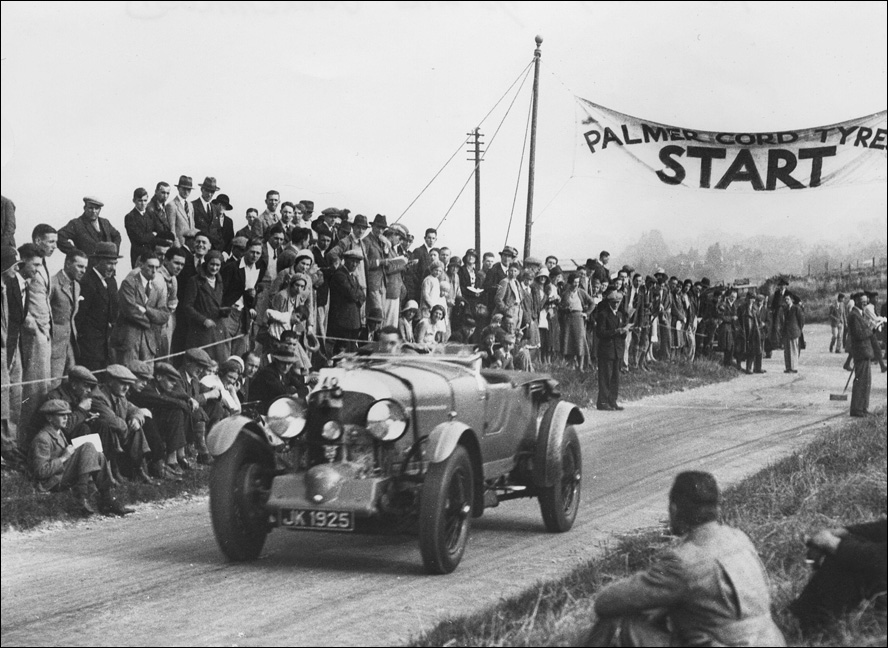
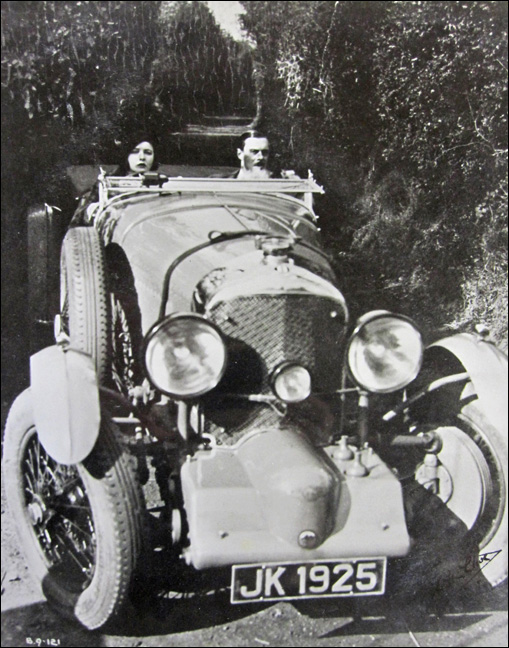
"JK 1925, a car once in the possession of the Bentley racing driver, Thistlethwaite, was an open four-seater."
Source: From article Supercharged Bentley (Talking of Sports Cars) published in The Autocar - July 7, 1944
Posted: Mar 8, 2008
Production Blower Bentleys had handbrake handles made from rectangular stainless steel, whereas the five 4½ litre race cars for Tim Birkin had the "H" section handle, but were drilled for lightness.
Source: Robert McLellan
Posted: Feb 20, 2008
Click on thumbnail for larger view
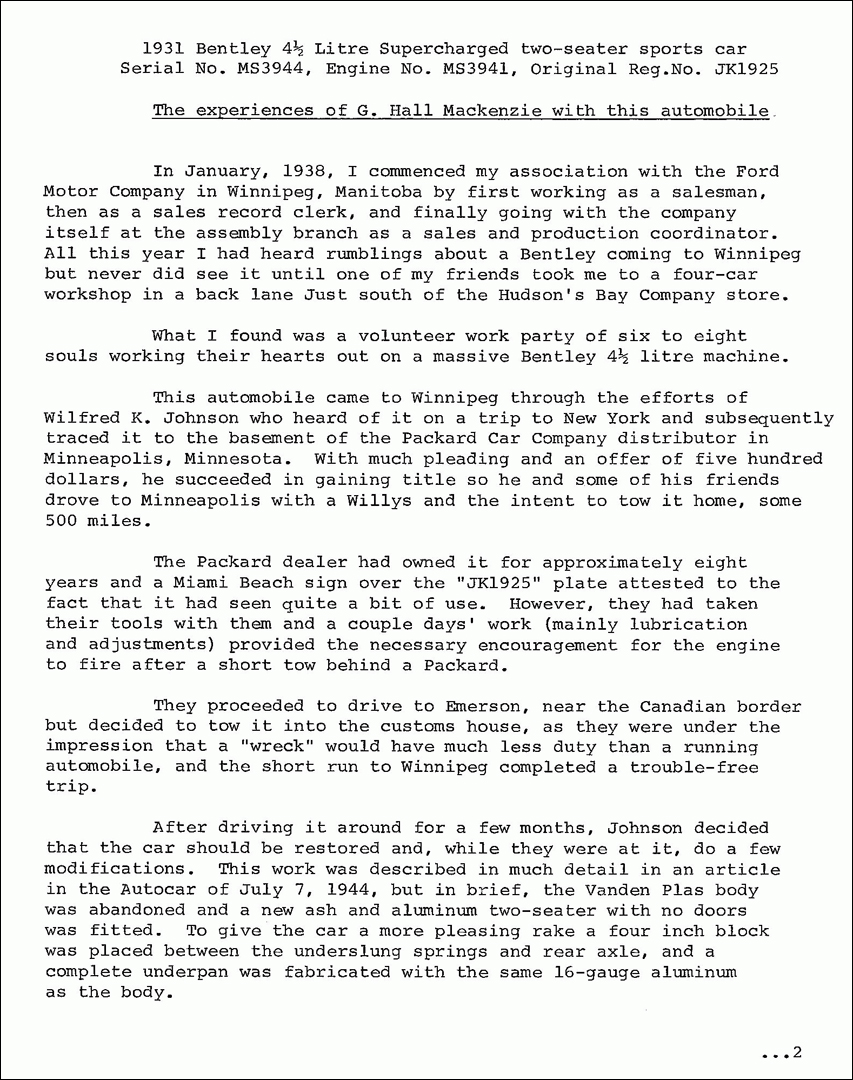
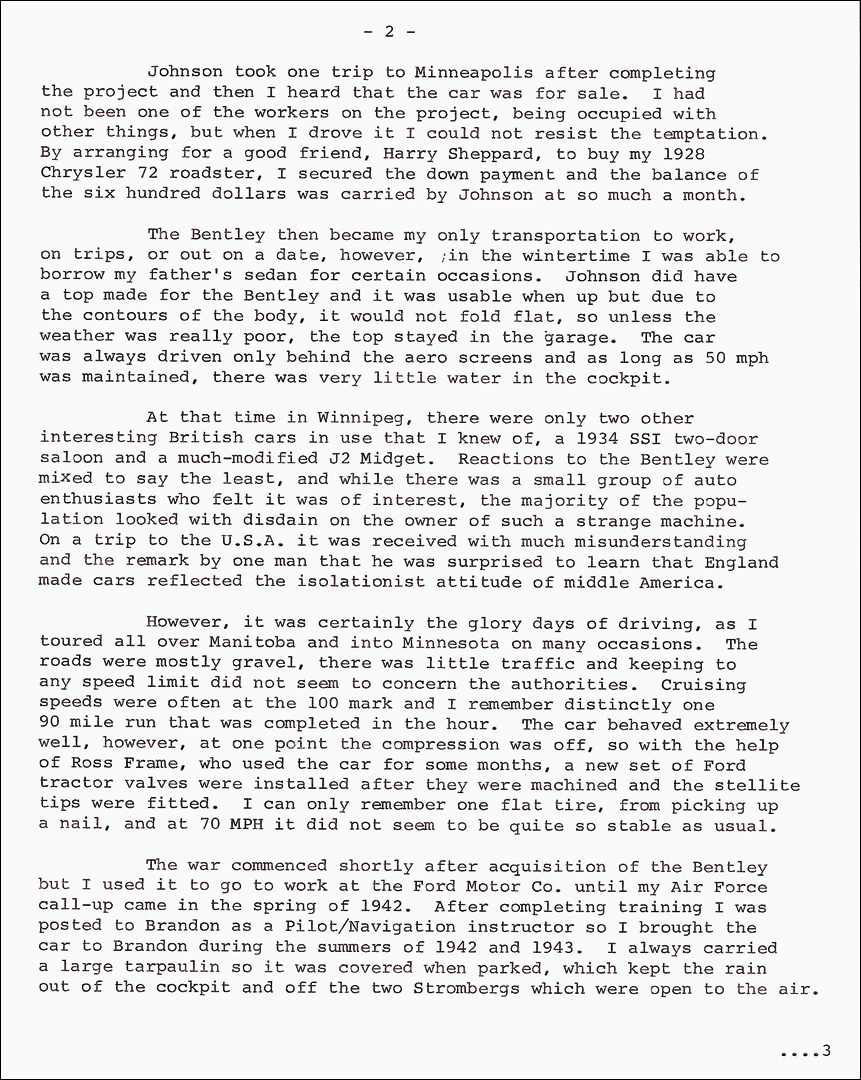
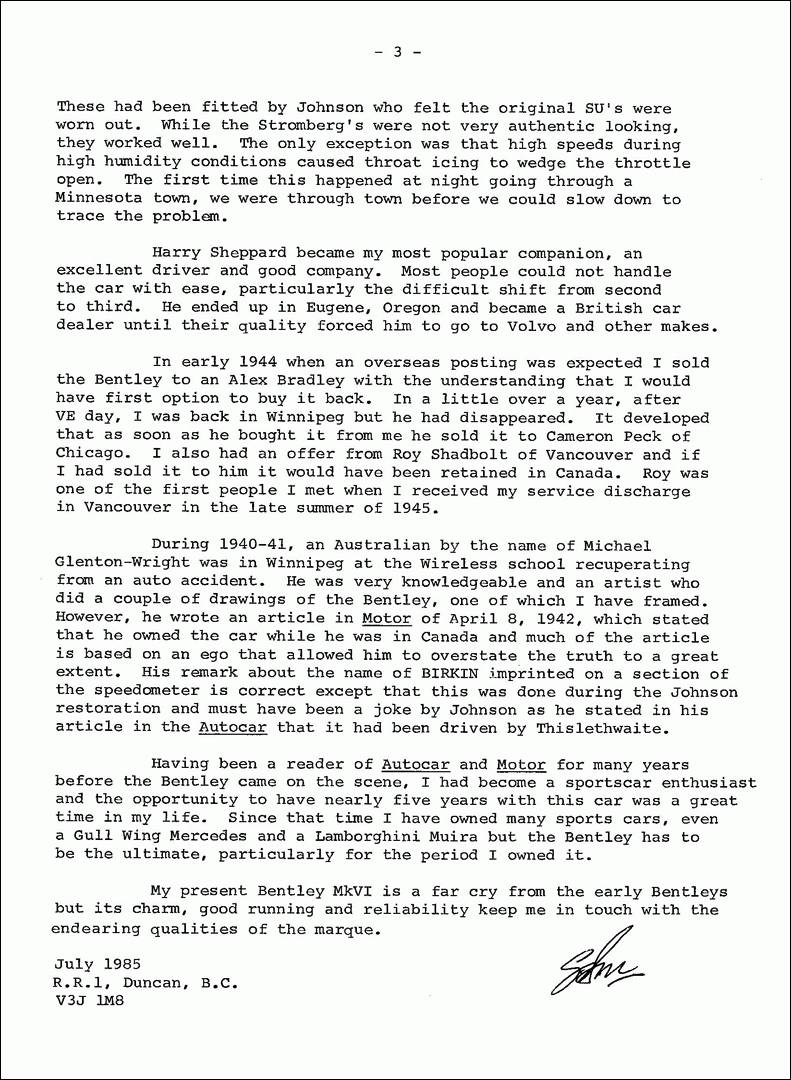
Serial No. MS3944, Engine No. MS3941, Original Reg. No. JK1925
The Experiences of G. Hall Mackenzie with this Automobile, July 1985
In January, 1938, I commenced my association with the Ford Motor Company in Winnipeg, Manitoba by first working as a salesman, then as a sales record clerk, and finally going with the company itself at the assembly branch as a sales and production coordinator. All this year I had heard rumblings about a Bentley coming to Winnipeg but never did see it until one of my friends took me to a four-car workshop in a back lane Just south of the Hudson's Bay Company store.
What I found was a volunteer work party of six to eight souls working their hearts out on a massive Bentley 4½-litre machine.
This automobile came to Winnipeg through the efforts of Wilfred K. Johnson who heard of it on a trip to New York and subsequently traced it to the basement of the Packard Car Company distributor in Minneapolis, Minnesota. With much pleading and an offer of five hundred dollars, he succeeded in gaining title so he and some of his friends drove to Minneapolis with a Willys and the intent to tow it home, some 500 miles.
The Packard dealer had owned it for approximately eight years and a Miami Beach sign over the "JK1925" plate attested to the fact that it had seen quite a bit of use. However, they had taken their tools with them and a couple days' work (mainly lubrication and adjustments) provided the necessary encouragement for the engine to fire after a short tow behind a Packard.
They proceeded to drive to Emerson, near the Canadian border but decided to tow it into the customs house, as they were under the impression that a "wreck" would have much less duty than a running automobile, and the short run to Winnipeg completed a trouble-free trip.
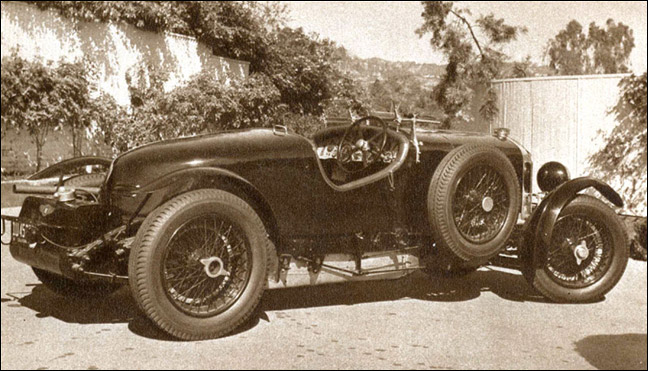
After driving it around for a few months, Johnson decided that the car should be restored and, while they were at it, do a few modifications. This work was described in much detail in an Article in the Autocar of July 7, 1944, but in brief, the Vanden Plas body was abandoned and a new ash and aluminum two-seater with no doors was fitted. To give the car a more pleasing rake a four inch block was placed between the underslung springs and rear axle, and a complete underpan was fabricated with the same 16-gauge aluminum as the body.
Johnson took one trip to Minneapolis after completing the project and then I heard that the car was for sale. I had not been one of the workers on the project, being occupied with other things, but when I drove it I could not resist the temptation. By arranging for a good friend, Harry Sheppard, to buy my 1928 Chrysler 72 roadster, I secured the down payment and the balance of the six hundred dollars was carried by Johnson at so much a month.
The Bentley then became my only transportation to work, on trips, or out on a date, however, ;in the wintertime I was able to borrow my father's sedan for certain occasions. Johnson did have a top made for the Bentley and it was usable when up but due to the contours of the body, it would not fold flat, so unless the weather was really poor, the top stayed in the garage. The car was always driven only behind the aero screens and as long as 50 mph was maintained, there was very little water in the cockpit.
At that time in Winnipeg, there were only two other interesting British cars in use that I knew of, a 1934 SSI two-door saloon and a much-modified J2 Midget. Reactions to the Bentley were mixed to say the least, and while there was a small group of auto enthusiasts who felt it was of interest, the majority of the population looked with disdain on the owner of such a strange machine. On a trip to the U.S.A. it was received with much misunderstanding and the remark by one man that he was surprised to learn that England made cars reflected the isolationist attitude of middle America.
However, it was certainly the glory days of driving, as I toured all over Manitoba and into Minnesota on many occasions. The roads were mostly gravel, there was little traffic and keeping to any speed limit did not seem to concern the authorities. Cruising speeds were often at the 100 mark and I remember distinctly one 90 mile run that was completed in the hour. The car behaved extremely well, however, at one point the compression was off, so with the help of Ross Frame, who used the car for some months, a new set of Ford tractor valves were installed after they were machined and the stellite tips were fitted. I can only remember one flat tire, from picking up a nail, and at 70 MPH it did not seem to be quite so stable as usual.
The war commenced shortly after acquisition of the Bentley but I used it to go to work at the Ford Motor Co. until my Air Force call-up came in the spring of 1942. After completing training I was posted to Brandon as a Pilot/Navigation instructor so I brought the car to Brandon during the summers of 1942 and 1943. I always carried a large tarpaulin so it was covered when parked, which kept the rain out of the cockpit and off the two Strombergs which were open to the air.
These had been fitted by Johnson who felt the original SU's were worn out. While the Stromberg's were not very authentic looking, they worked well. The only exception was that high speeds during high humidity conditions caused throat icing to wedge the throttle open. The first time this happened at night going through a Minnesota town, we were through town before we could slow down to trace the problem.
Harry Sheppard became my most popular companion, an excellent driver and good company. Most people could not handle the car with ease, particularly the difficult shift from second to third. He ended up in Eugene, Oregon and became a British car dealer until their quality forced him to go to Volvo and other makes.
In early 1944 when an overseas posting was expected I sold the Bentley to an Alex Bradley with the understanding that I would have first option to buy it back. In a little over a year, after VE day, I was back in Winnipeg but he had disappeared. It developed that as soon as he bought it from me he sold it to Cameron Peck of Chicago. I also had an offer from Roy Shadbolt of Vancouver and if I had sold it to him it would have been retained in Canada. Roy was one of the first people I met when I received my service discharge in Vancouver in the late summer of 1945.
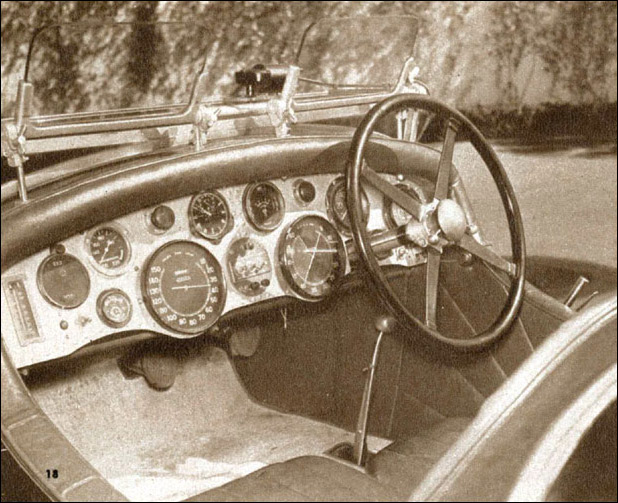
During 1940-41, an Australian by the name of Michael Glenton-Wright was in Winnipeg at the Wireless school recuperating from an auto accident. He was very knowledgeable and an artist who did a couple of drawings of the Bentley, one of which I have framed. However, he wrote an article in Motor of April 8, 1942, which stated that he owned the car while he was in Canada and much of the article is based on an ego that allowed him to overstate the truth to a great extent. His remark about the name of BIRKIN imprinted on a section of the speedometer is correct except that this was done during the Johnson restoration and must have been a joke by Johnson as he stated in his article in the Autocar that it had been driven by Thislethwaite.
Having been a reader of Autocar and Motor for many years before the Bentley came on the scene, I had become a sportscar enthusiast and the opportunity to have nearly five years with this car was a great time in my life. Since that time I have owned many sports cars, even a Gull Wing Mercedes and a Lamborghini Muira but the Bentley has to be the ultimate, particularly for the period I owned it.
My present Bentley MkVI is a far cry from the early Bentleys but its charm, good running and reliability keep me in touch with the endearing qualities of the marque.
July 1985
R.R.I, Duncan, B.C.
V3J 1M8
Source: Bruce Mackenzie (Son of former owner)
Posted: Jul 5, 2013
Click on thumbnail for larger view
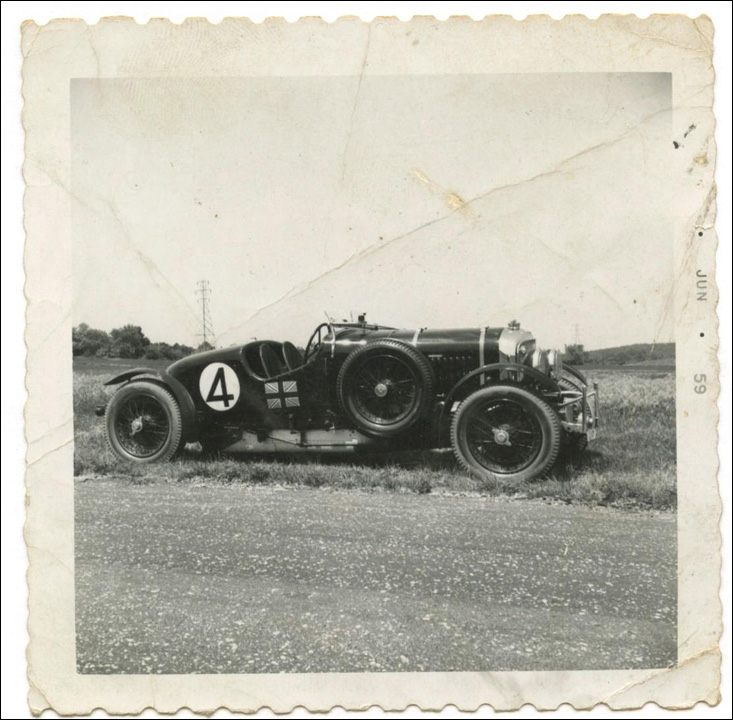
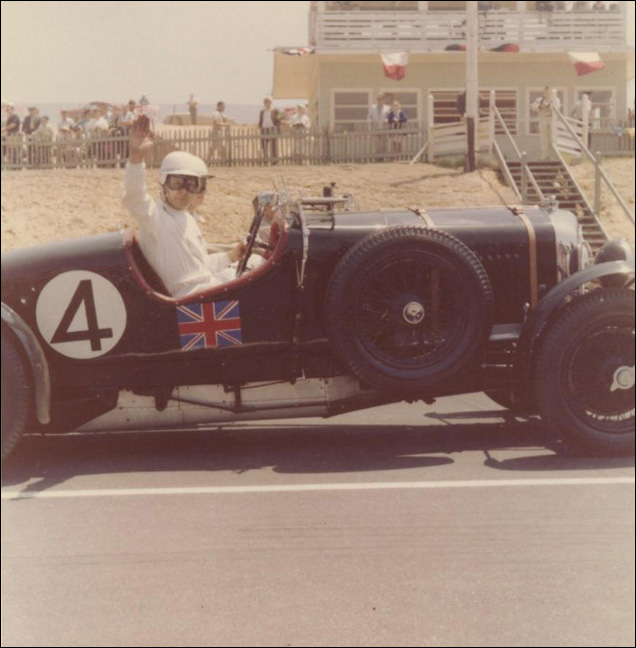

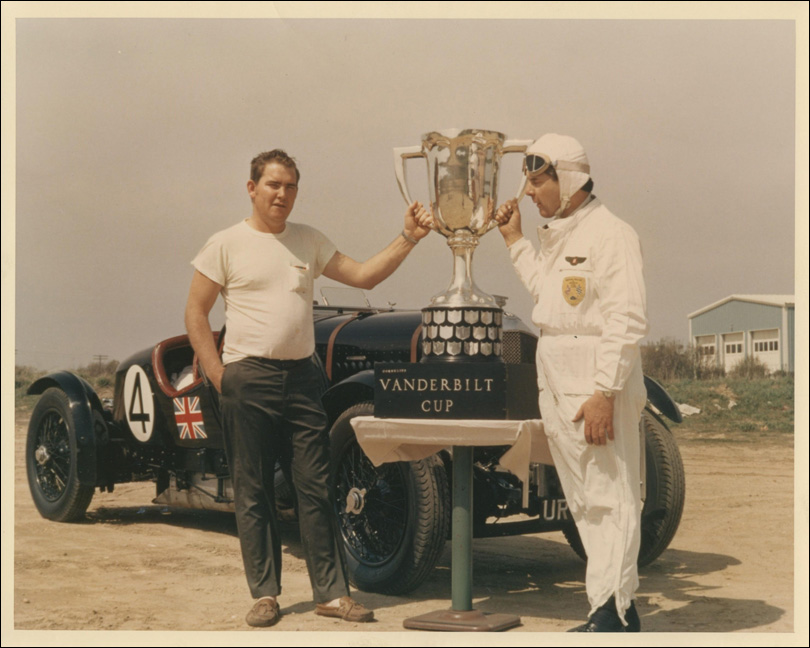
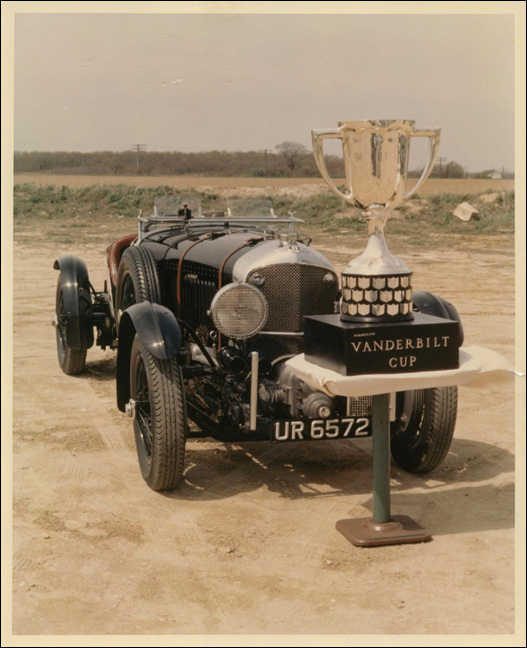
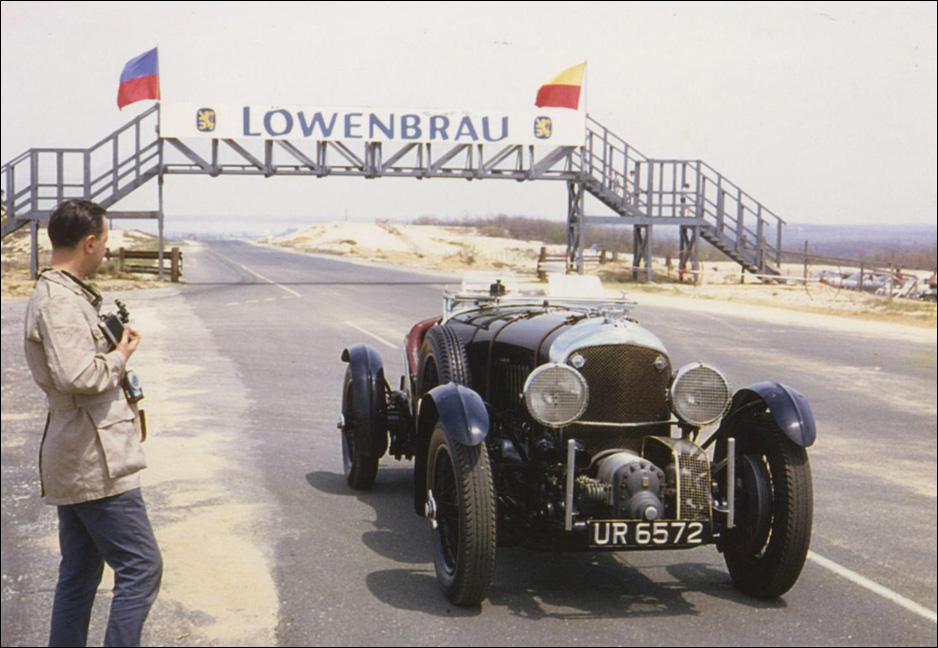
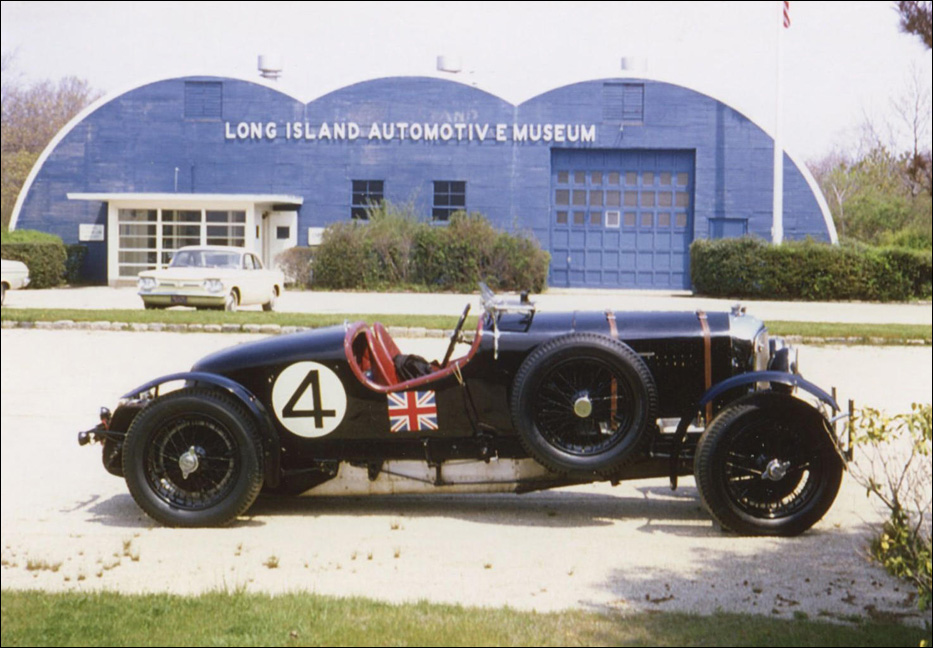
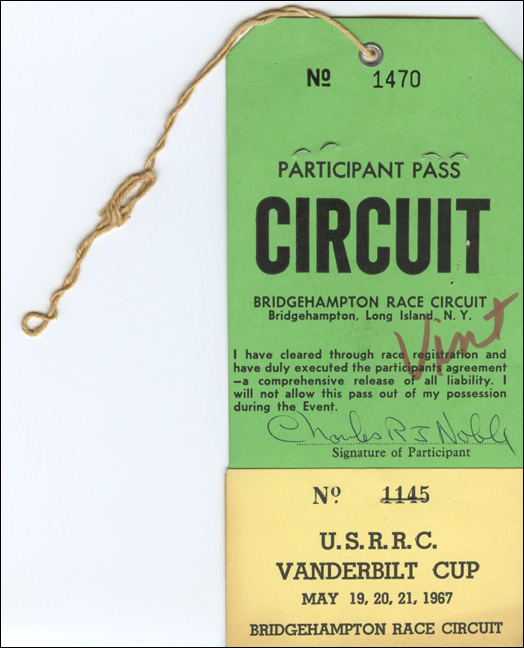
Source: Gooding & Company
Posted: Jul 25, 2013
Earliest Record Of Historical Facts & Information
| Chassis No. | MS3944 |
|---|---|
| Engine No. | MS3941 |
| Registration No. | UR 6572 |
| Date of Delivery: | 30 Jun 1931 |
| Type of Body: | 4-seater |
| Coachbuilder: | Vanden Plas |
| Type of Car: | 144 |
| First Owner: | LESSON H |
| More Info: | According to original Vanden Plas Coachbuilder records, this car was originally fitted with Body No. 1744 with a supercharged; 2-door Le Mans type; grey fabric; 7/1931. Michael Hay, in his book Bentley: The Vintage Years, 1997, states: "D/7255. Vanden Plas body no. 1744. "Brooklands" body NOT by Peck to Thomson & Taylor spec. Built in 1938 by Johnson." |
Mar 1, 2007