
Vintage Bentley
Production NOS.
Where To Look For
Chassis & Engine NOS.
Bentley Specials & Special Bentleys
Unidentified
Bentleys

1931 Bentley 4½ Litre N 4-seater
Chassis No. MS3934
Engine No. MS3937
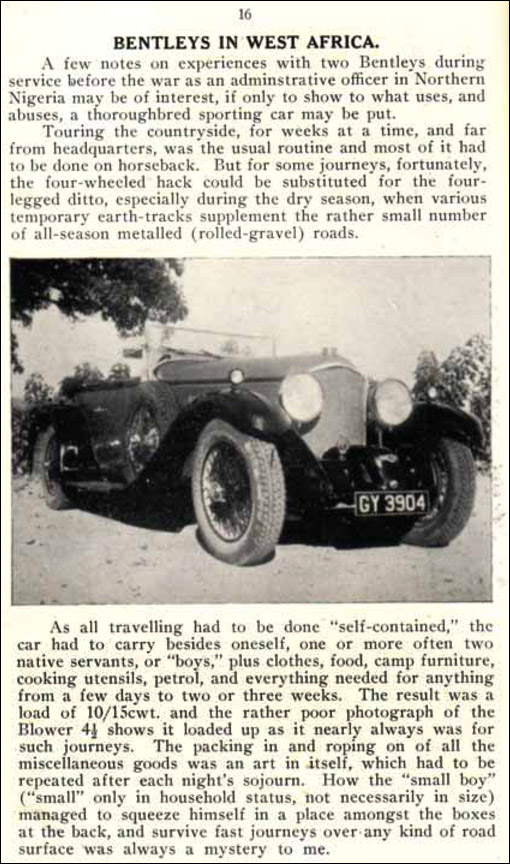
Registration No. GY 3904
2012
Click on thumbnail for larger view

Source: BDCWA
Posted: May 17, 2013

2012
Click on thumbnail for larger view

Source: RROC
Posted: May 24, 2013
2006
Posted: Jan 1, 0001
2002
Click on thumbnail for larger view
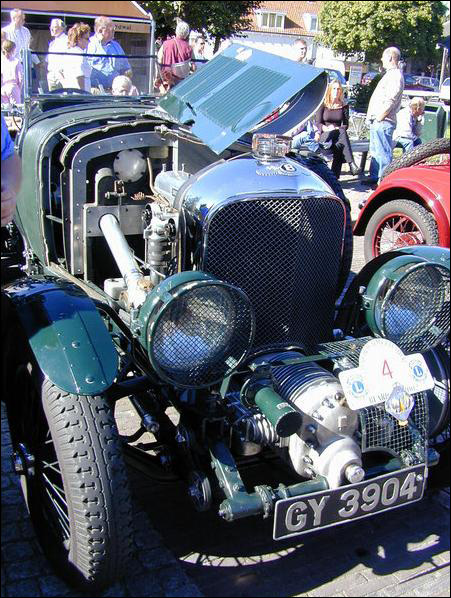
Source: BaliesWeb
Posted: Aug 25, 2014
Click on thumbnail for larger view
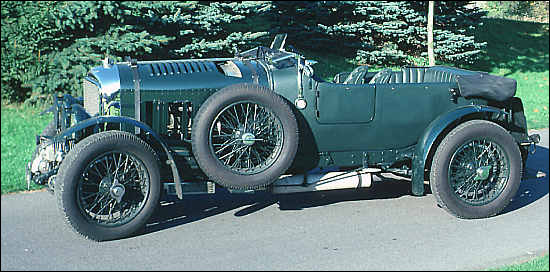
Source: Auto Car
Posted: Sep 20, 2007
Production Blower Bentleys had handbrake handles made from rectangular stainless steel, whereas the five 4½ litre race cars for Tim Birkin had the "H" section handle, but were drilled for lightness.
Source: Robert McLellan
Posted: Feb 20, 2008
Click on thumbnail for larger view

In 1928 Tim Birkin, leading Bentley driver and Le Mans specialist, tried to persuade W. O. Bentley to approve the fitting of a Villiers supercharger to the current 4� Litre cars which had already won the race in 1928 (and were to be second and third in 1929). Bentley was not in favour of the idea -- his belief was that if you wanted more power you added more litres -- but Birkin sold it to Woolf Barnato, chairman and main shareholder at the time. Birkin then got financial backing from the Hon. Dorothy Paget, and had his own 'private' team of four cars (later five) built in 1929.
In order to qualify for Le Mans in 1930, fifty cars of this type had to be built by the factory, and Barnato agreed to do this, the first public showing being at Olympia in 1929, the first cars going on sale in April 1930. 'Motor' magazine of April 22nd 1930 contained a road test of car UW 3761, chassis price being £1,450. Top speed was 103 m.p.h., petrol consumption 12m.p.g., and the servo brakes achieved a stopping distance of 24 feet from 30 m.p.h. - a phenomenal figure for those days. 'Autocar' tested another car, GH 6951, in September. This was priced at £1,720 with a Vanden Plas open 4 seater body. Top speed was 101 m.p.h., consumption 11 m.p.g., and the braking figures were almost identical to the previous ones. Both tests recorded acceleration from 10 to 30 m.p.h. in under 5 seconds, and 'Motor' achieved 10 to 75 m.p.h. in under 30 seconds.
At Le Mans, despite repeated tyre trouble, Birkin set a new lap record of 89.7 m.p.h., compared with his 1929 record of 82.9 m.p.h. in the Speed Six car. This new record remained unbeaten until the course was shortened in 1932. Birkin's cars were often used as pacemakers to break up the opposition - usually the Mercedes of Carraciola - at which they were generally successful, sometimes over-taxing themselves in the process.
Birkin's most notable achievement was in the French Grand Prix at Pau in 1930, when he came second to Etancelin's Bugatti at 88.5 m.p.h. His car was virtually a stripped sports car, while the rest of the field were genuine racing cars, mostly Bugattis and Delages, weighing less than half as much as the Bentley. In his own account of the race, Birkin likened his car to a large Sealyham surrounded by greyhounds. Oddly enough, he says that Etancelin was driving a Delage -- a curious error.
At the August 1932 Brooklands meeting, there was an exciting challenge race for 100 sovereigns between Birkin's red single seater car and John Cobb's 10 litre Delage. Birkin won by a fifth of a second at 125.1 m.p.h., his last lap at 137.5 m.p.h., compared to his Easter Monday record of 139.7 m.p.h. which stood until beaten in 1934 by Cobb's 24 litre Napier Railton.
The car for sale today has been meticulously rebuilt to the highest standards. The Le Mans replica body is immaculate and finished in the correct colour of British Racing Green. It has a current M.O.T. Certificate.
A magnificent motor car, described by one writer as being 'a possession above rubies', and to many the ultimate vintage car.
Source: Coys of Kingsington Sale of Important Historic and Sporting Automobiles catalog, Dec. 14, 1988
Posted: Dec 27, 2006
Click on thumbnail for larger view

Source: "Queste" magazine, Issue Seven, 1986
Posted: Jan 24, 2006
Click on thumbnail for larger view
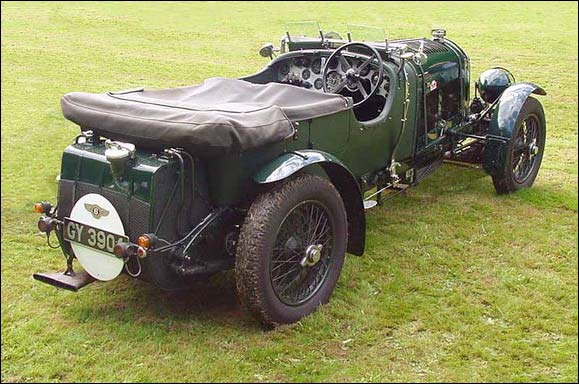
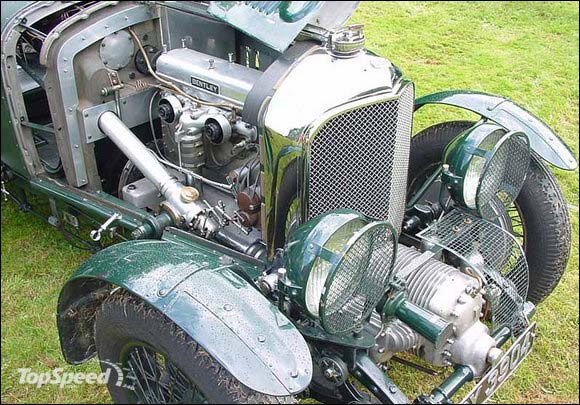

Source: TopSpeed & Australian Land Rover Owners
Posted: Feb 15, 2007
Click on thumbnail for larger view

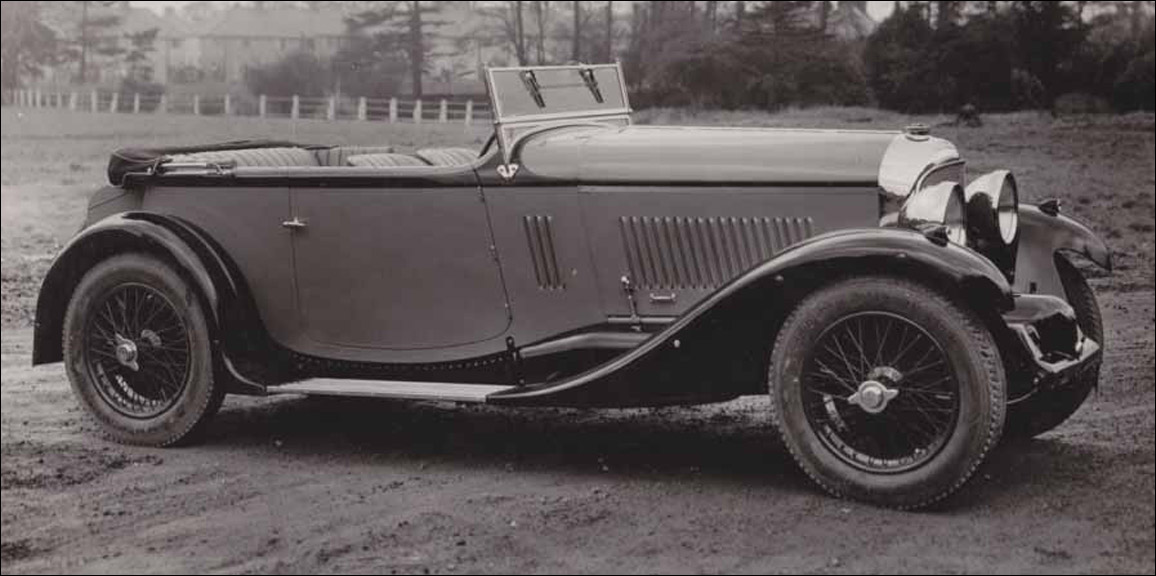




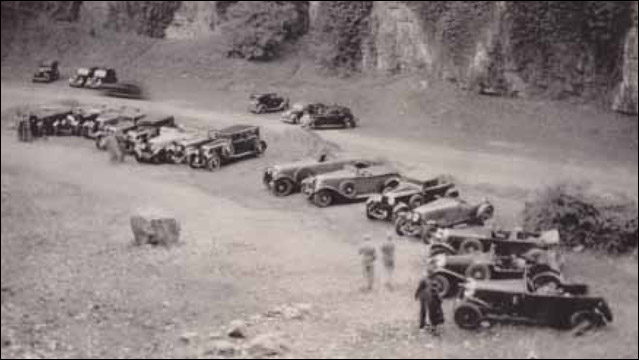
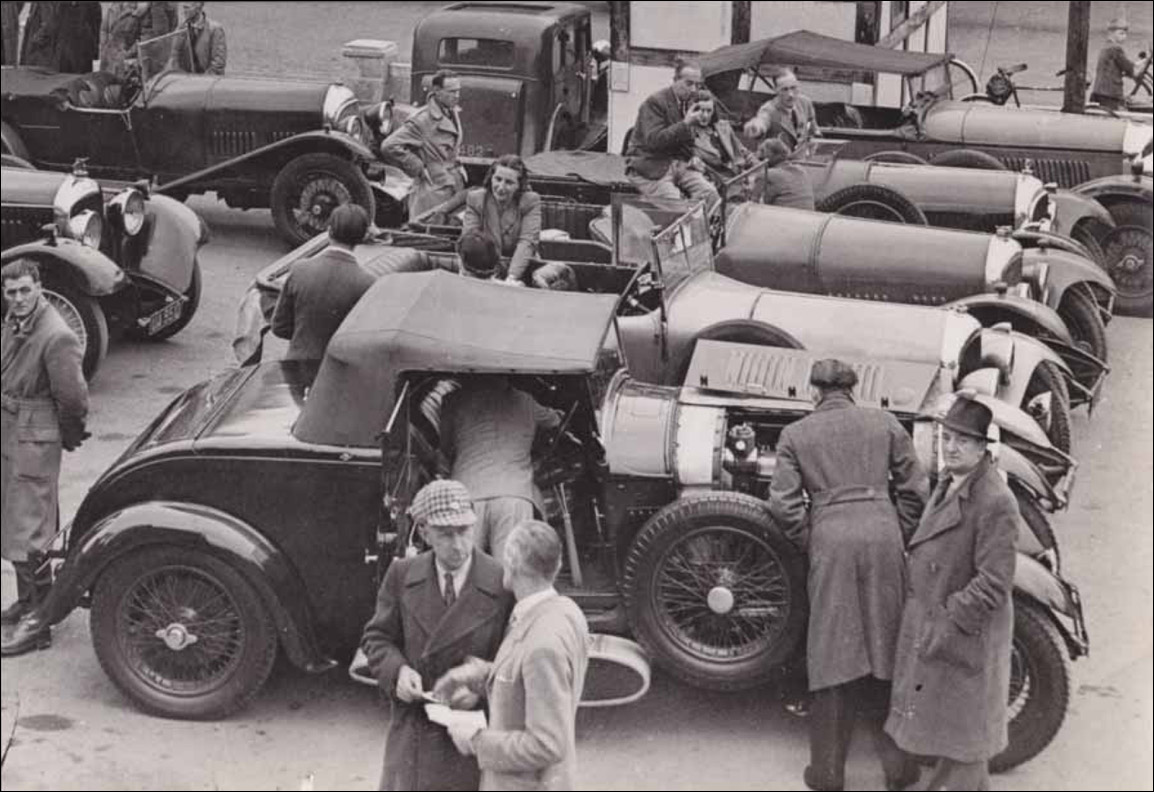
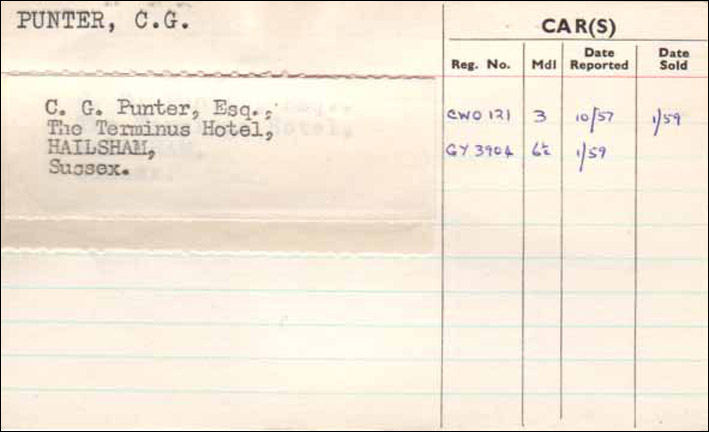
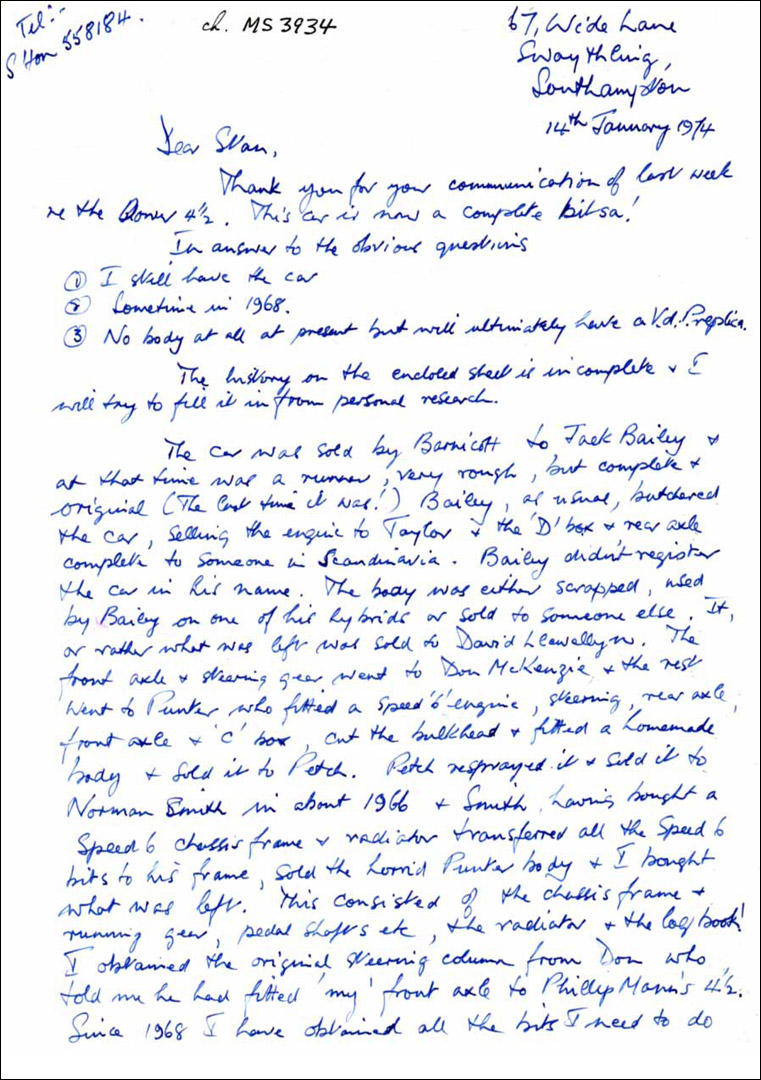
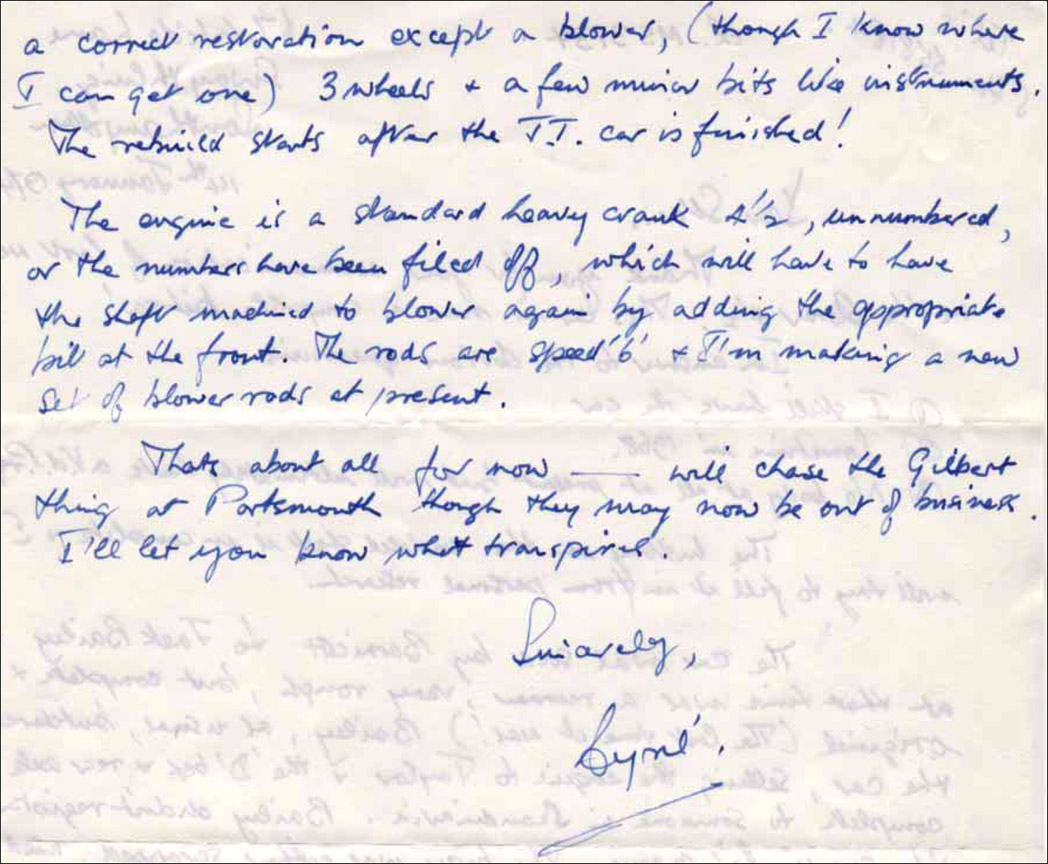
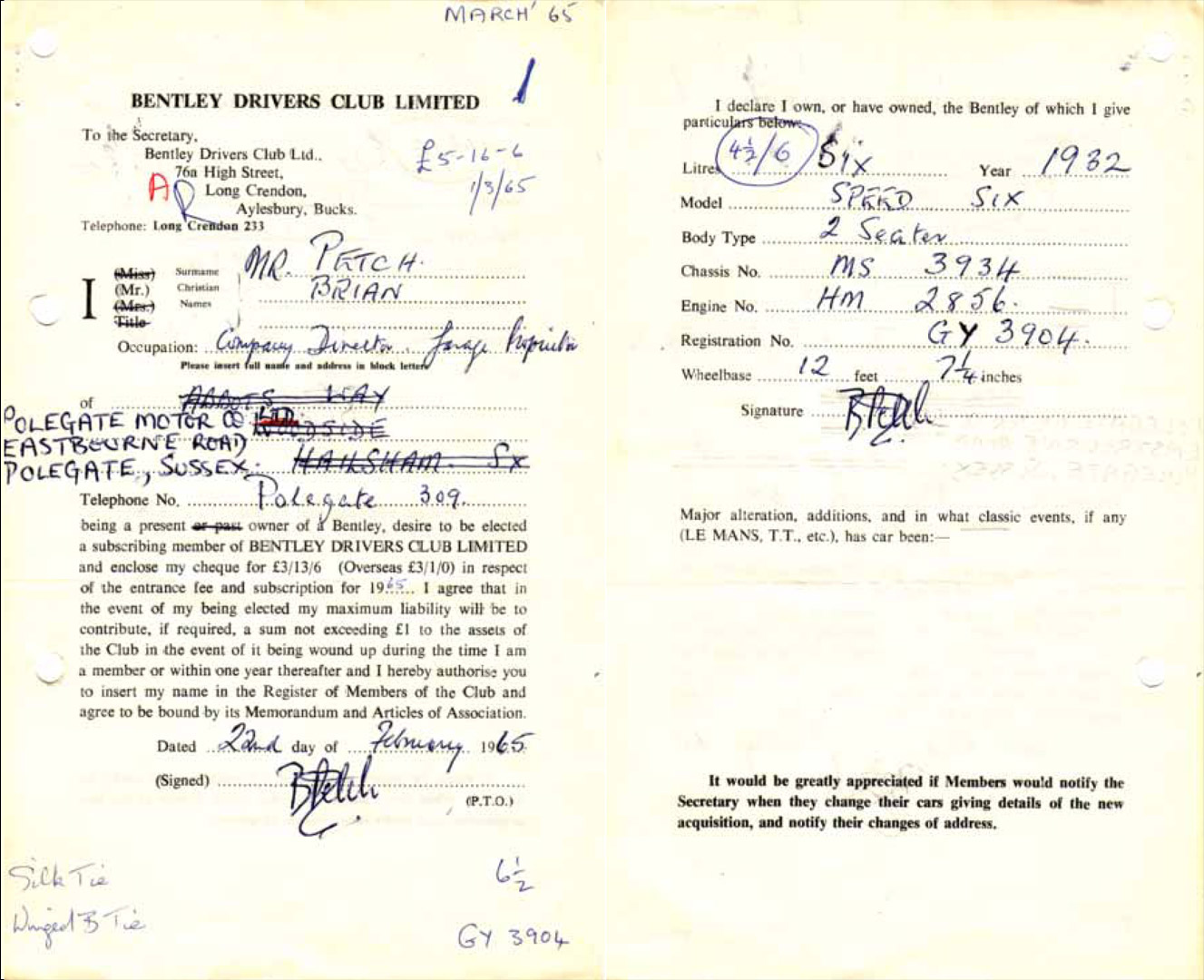
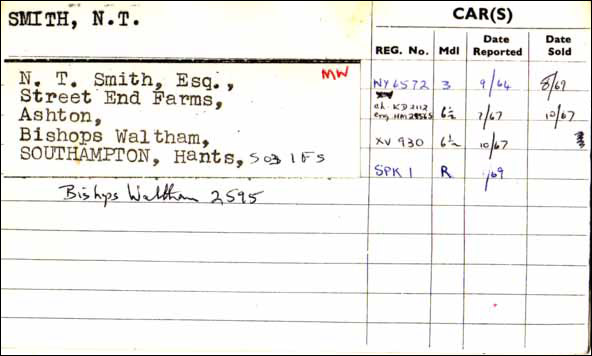


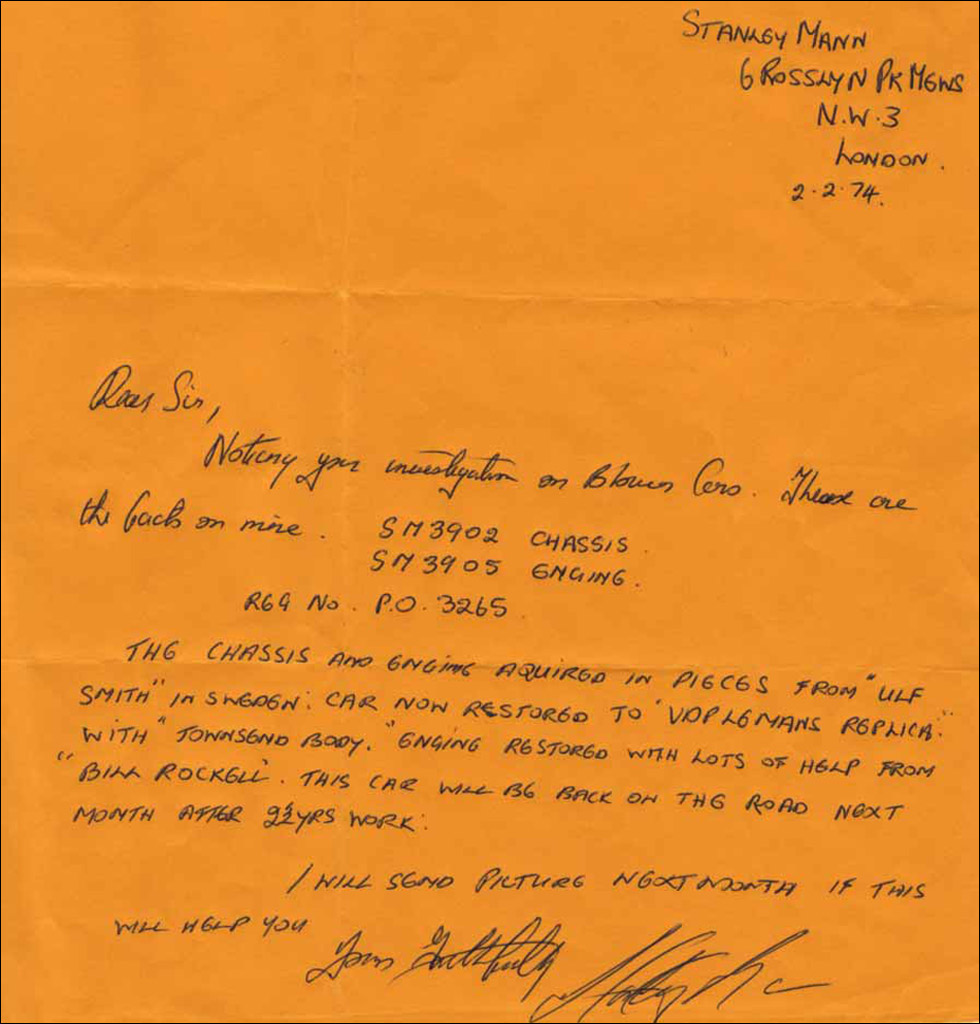
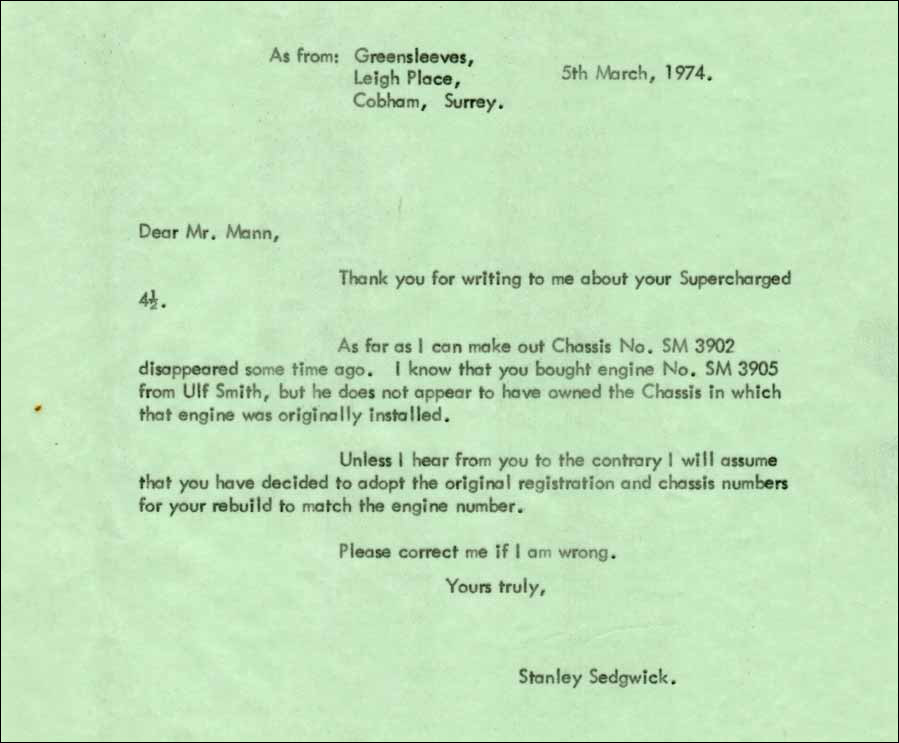
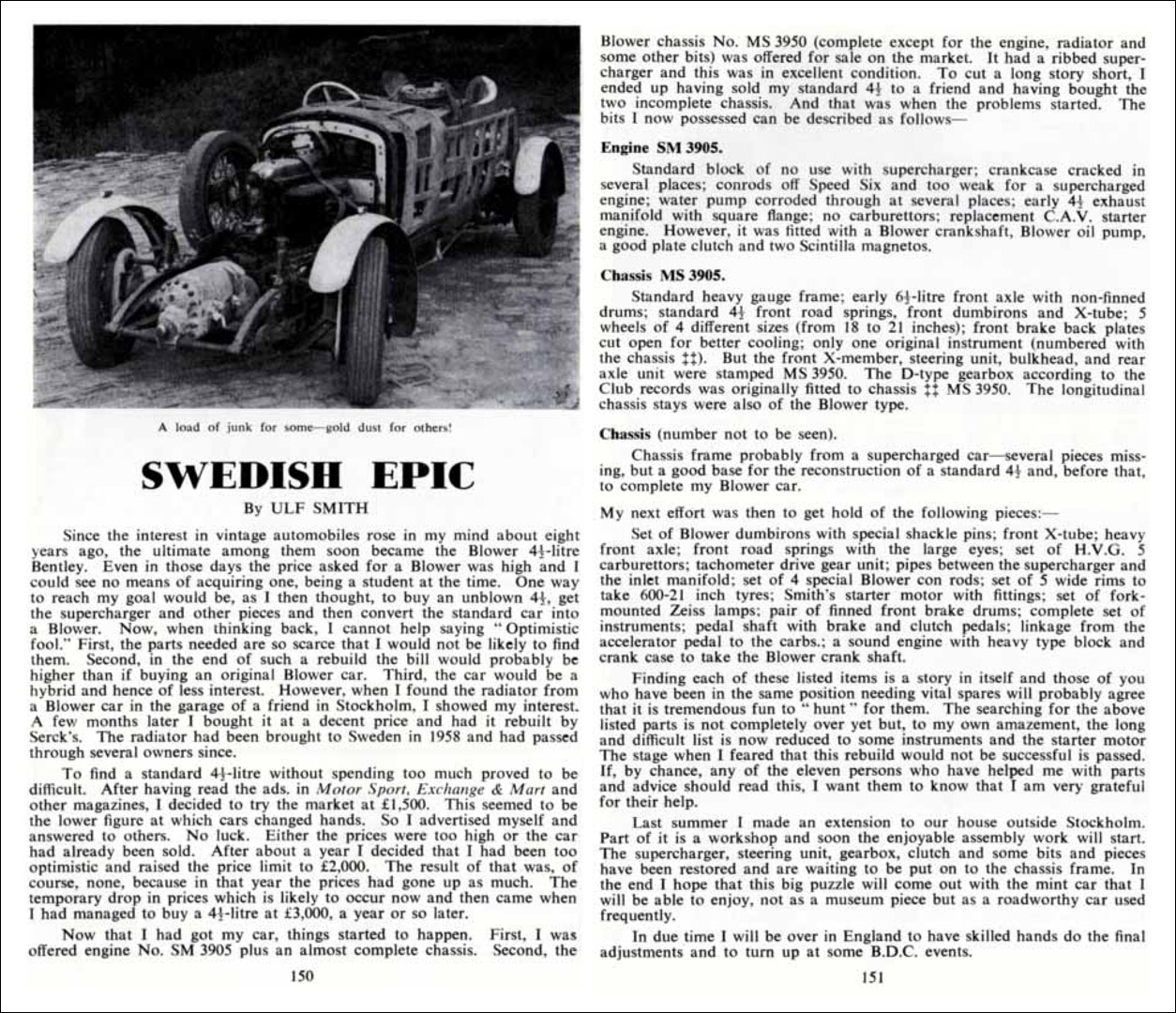


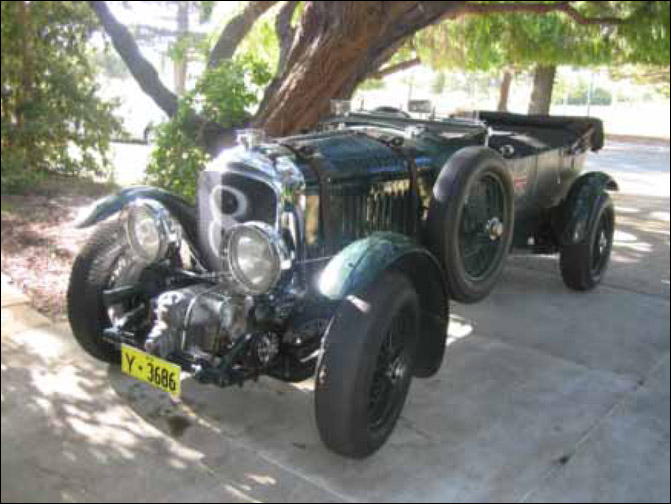
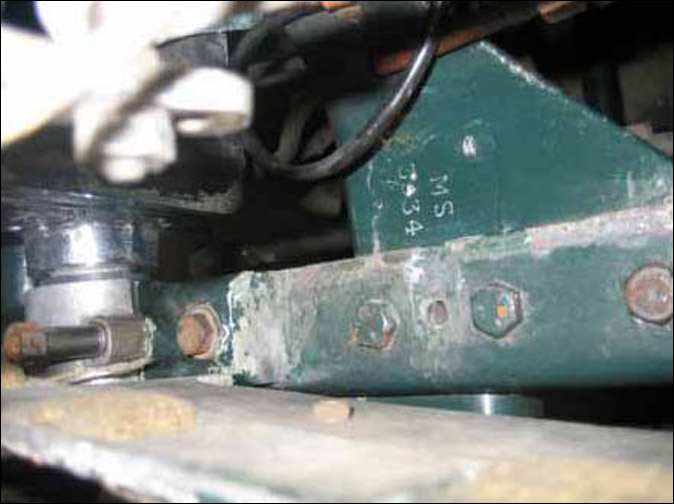
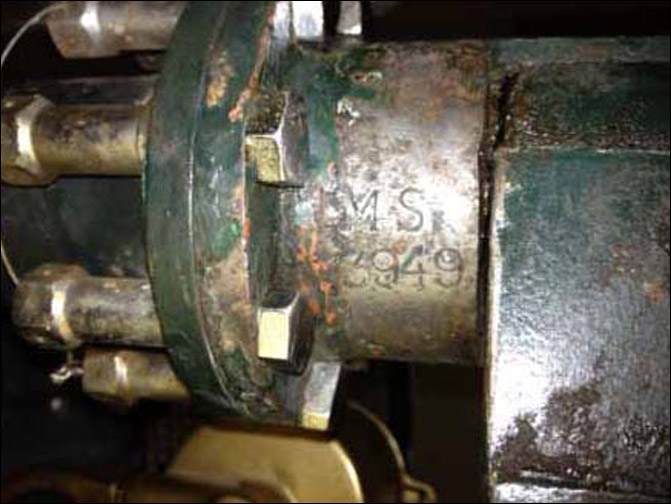
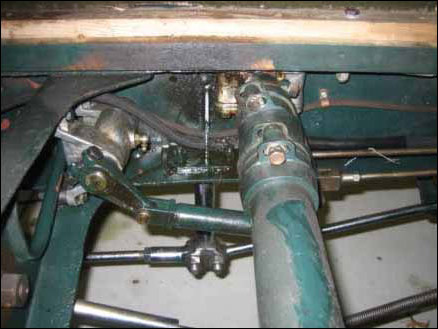
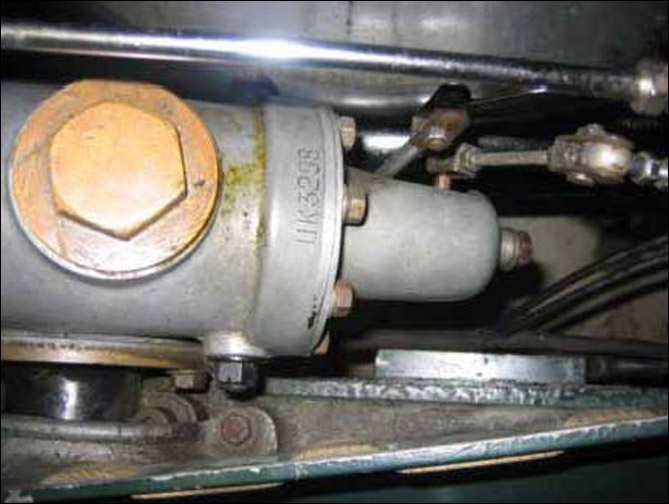
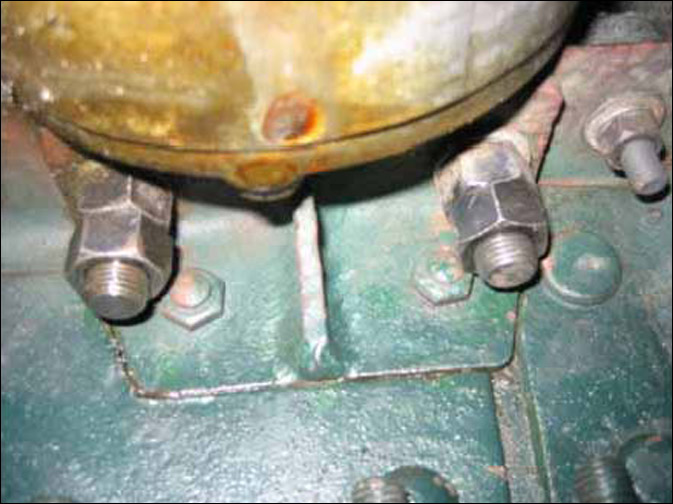
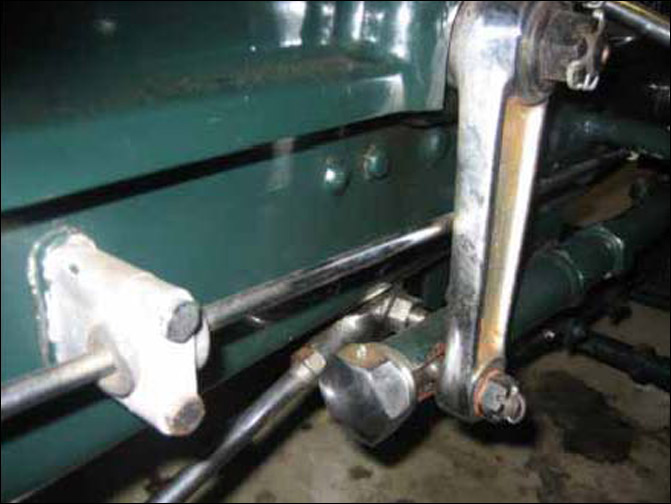


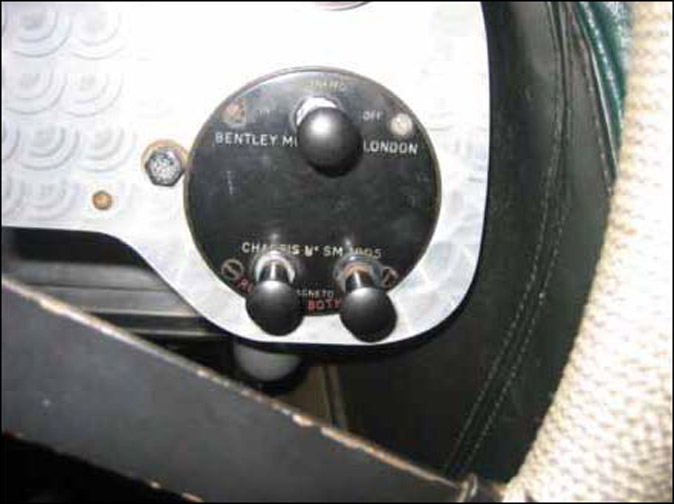
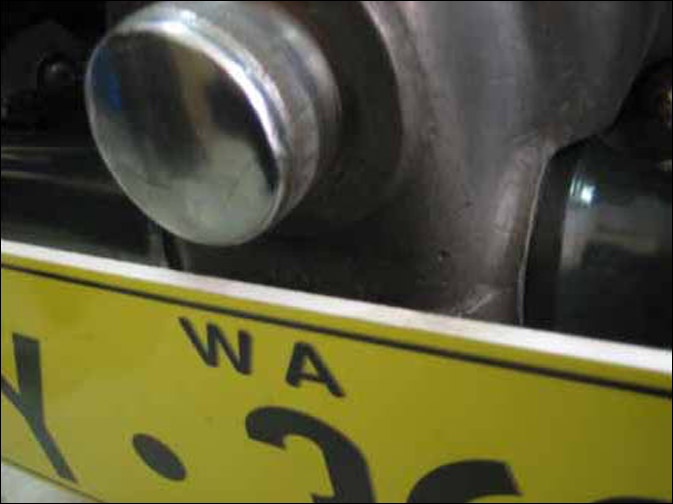

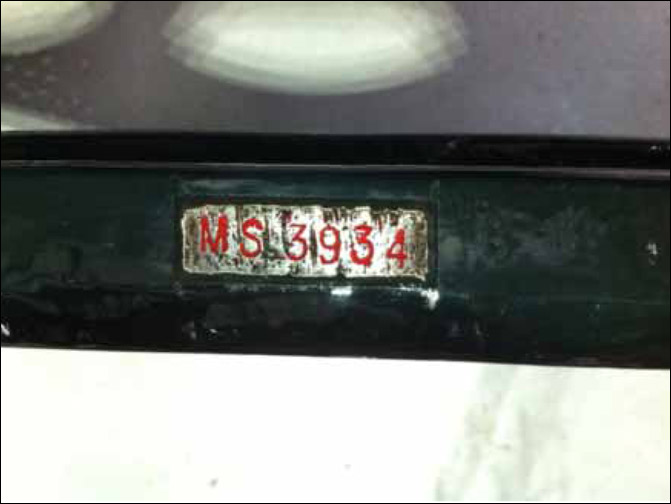
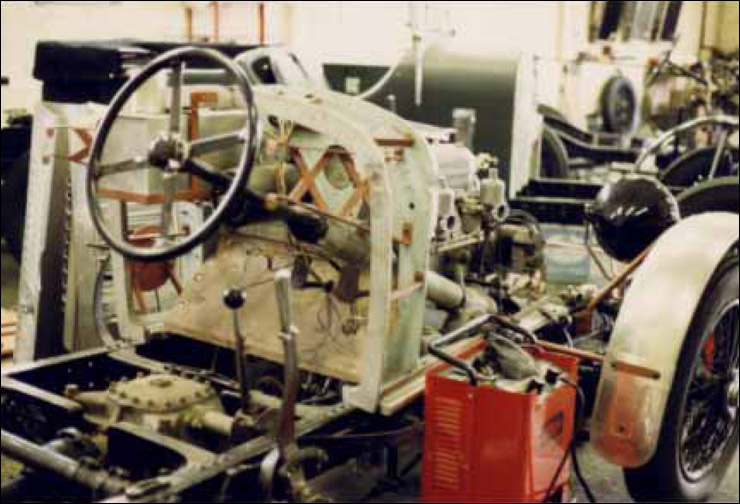


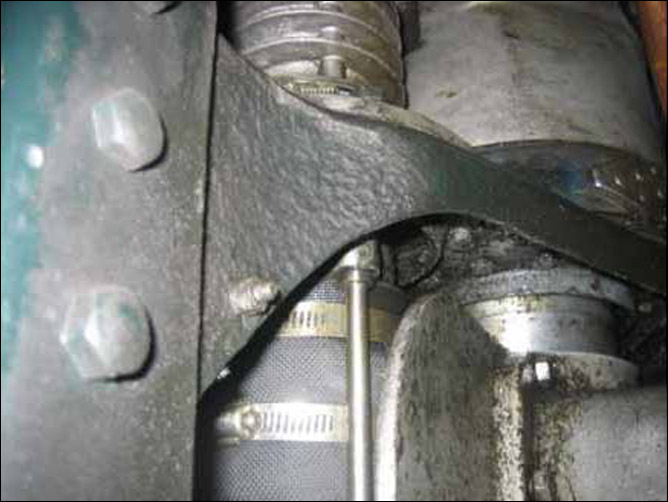
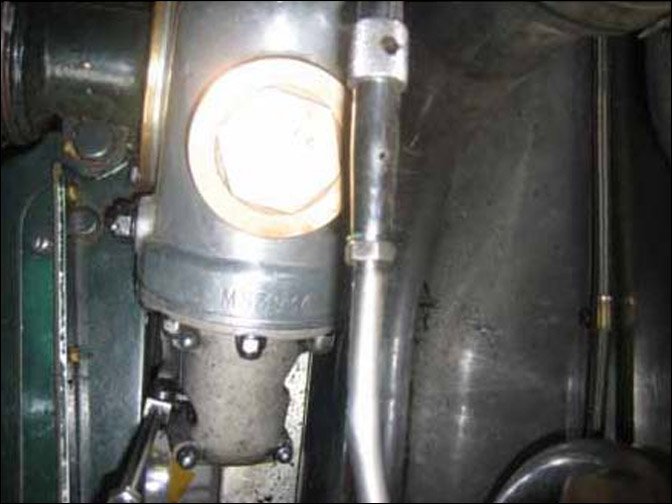
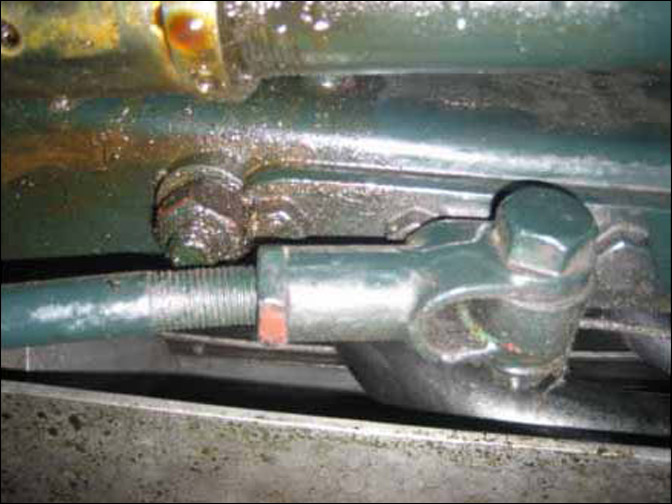


On the next page is a copy of the Bentley Motors Service Record for chassis MS3934. It was built as a 1931 model 4½ Litre Supercharged chassis, with engine no. MS3937 and “D” type box no.7246. The supercharger number is not listed; it is not recorded for all Blower chassis, but is usually close to the chassis number so it would have been around no. 134. The date the chassis was completed and despatched to Vanden Plas for bodying is not recorded, but the VdP invoice gives an order date of 11 February 1931, to be completed by 30 April 1931. The completed car was returned to Bentley’s works at Cricklewood and passed off Final Test on 13 May 1931, shortly before Bentley Motors went into receivership on 11 July 1931. MS3934 was clearly unsold at this date, and was sold along with a number of other cars by J.K. Carruth, formerly Bentley’s MD and an employee of Woolf Barnato, on 28 June 1932 to Jack Barclay.
The original Vanden Plas body was no. 1727, as per VdP record below. This was a new design of open two-door four-seater body developed by Vanden Plas to supersede the earlier four-seater sports body, by 1930 passing out of fashion. A sister car to MS3934, chassis SM3920, was exhibited on Bentley’s stand at the 1930 Olympia Motor Show. Both cars were finished in apple green with black wings, wheels, and body mouldings, with green leather interior. MS3934 was sold by Barclay to Brown & Mallalieu in June 1932, for £900, presumably as agents for the first recorded owner, W.R. Handley. MS3934 was allocated the London registration number GY 3904. Unfortunately the London records were destroyed by the GLC in 1979.
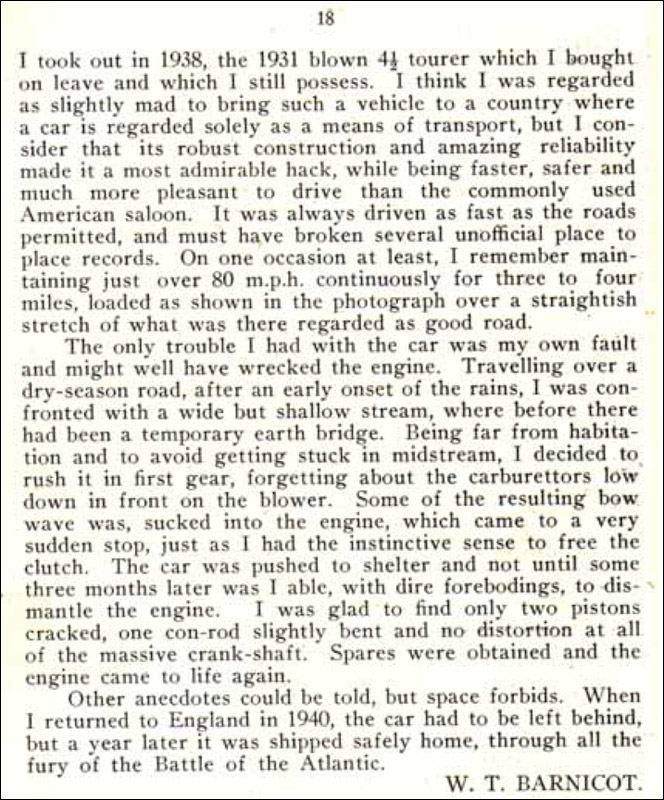
The Service Record notes later owners as F. Coxhill in 1933, W.J. Wise in 1935, and W.T. Barnicot in 1938. No major work is listed in the Service Record, which is continuous through to May 1939. Turning to the BDC card index, Barnicot is listed as the owner in January 1948 and again in October 1950. Barnicot wrote up MS3934 in BDC Review no. 2, in 1946, as reproduced below. At the start of his ownership the car was still in very original order. He fitted a 3 Litre engine no. 437 from chassis 439 temporarily, probably during the war for fuel economy reasons. He later dismantled this car and sold the chassis and other parts to David Llewellyn.
Sometime around 1950, I think, Barnicot dismantled MS3934, selling it in parts. A write-up by his son David in Review no. 59 January 1961 says that David Llewellyn bought the chassis frame and some other parts, the chassis going to C.G. Punter who had fitted a 6½ Litre engine and was in the process of building a body. This, though, will be set aside for the moment, as this is a distraction, as will become clear. Sticking with the genuine frame of MS3934, there is a note in the BDC Card Index that it was owned by Mr Shellcock circa 1970. Mr Shellcock had some involvement in car building and Tim Houlding recalls him having a damaged Blower engine, possibly SM3905. It was then bought by Stanley Mann circa 1971/72, possibly through Ulf Smith. Stanley collected the parts to build a Blower car on this frame, and had Townshend build a four-seater VdP style open body on it.
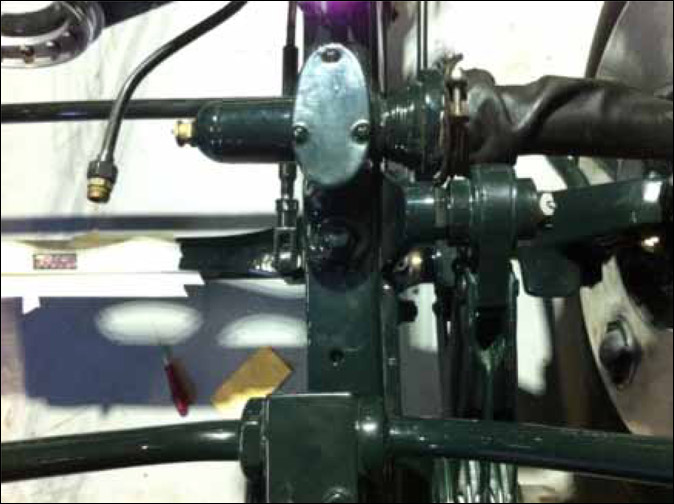
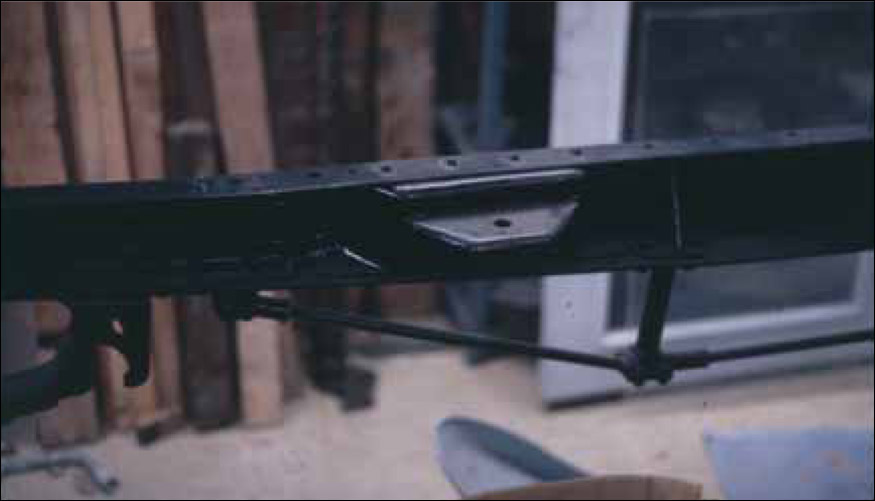
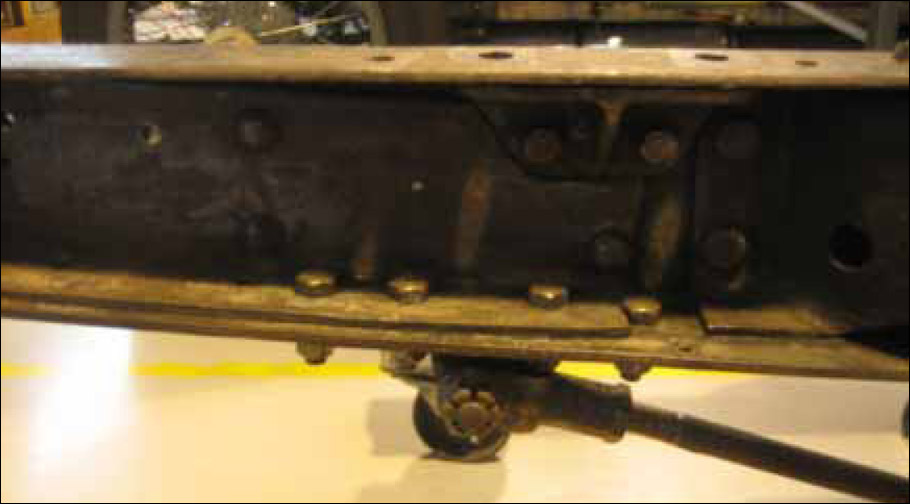
From my inspection of this car in Perth in 2010, it is likely that the frame bought by Stanley Mann was still fitted with its pedal shaft, compensating shaft and brake frogs (reversing levers for the front brakes). From circumstantial evidence I suspect the chassis was bought from Barnicot in this partially stripped state by Llewellyn, and wasn’t used by C.G. Punter as the basis for his car at all. Rather it remained in this form until it was bought by Mann. When cars were stripped for parts through to the 1960s the chassis frame and ancillary parts were worthless, as people were breaking cars for useful parts rather than building cars from parts. In this environment engines, gearboxes, back axles and radiators, and steering columns and front axles, were of value. Mechanical braking system parts were of little value as many cars were converted to hydraulic brakes. Similarly pedal shafts were of no value. Hence it would be no surprise if these parts weren’t removed from the chassis frame. Curiously the nearside front dumbiron knuckle is from chassis MS3949.
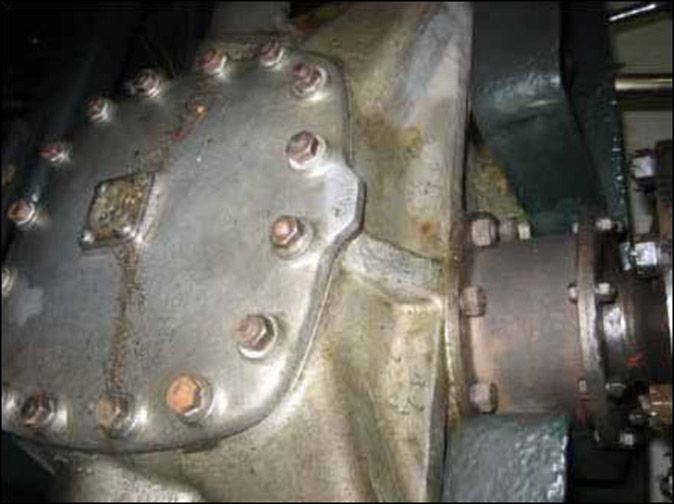
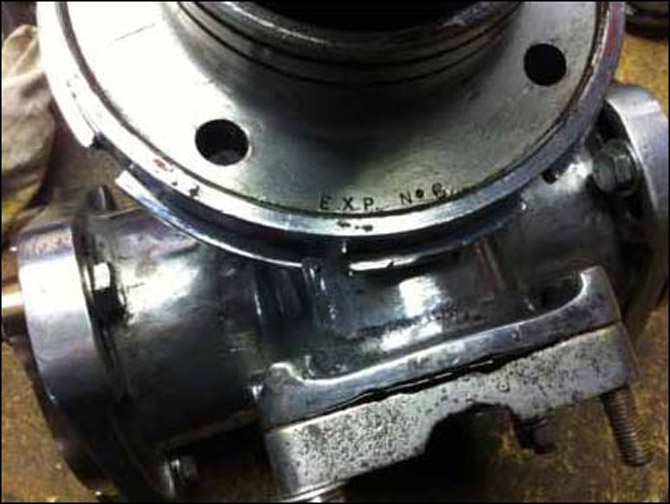
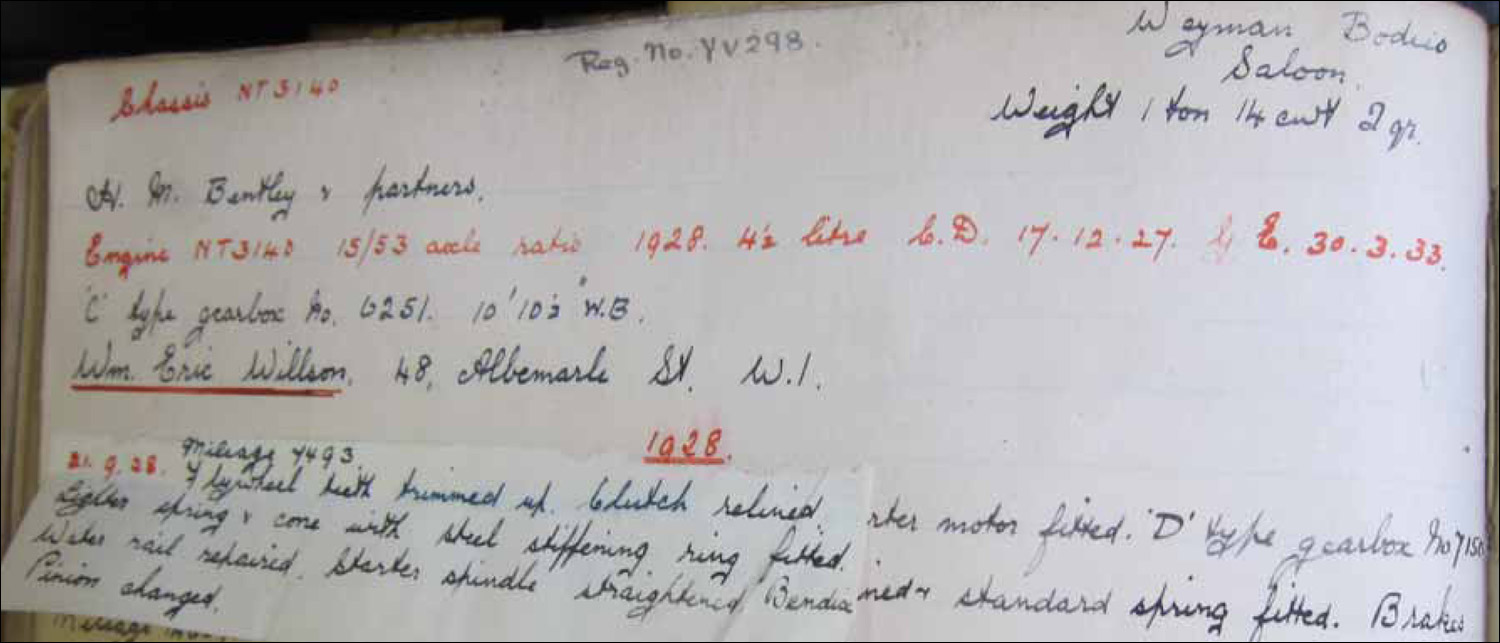
As built up by Mann the car is otherwise a “bitsa”, made up of original Bentley components from a number of different cars; front axle PM3270, steering column UK3298, “D” box 7150 (ex chassis NT3140) with lid 7088 (ex chassis TX3235), 6½ Litre diff unit BX2423, banjo SR1422, supercharger no. 124 (originally fitted to SM3922), bonnet no. MS3949. Considering this car has both the bonnet and the dumbiron knuckle from MS3949, it is possible that Townshend is involved somewhere along the line, as he rebuilt MS3949 as a Birkin short-chassis replica in the early 1970s, and he sold a lot of parts to Stanley Mann. As first built the engine was no. SM3905, originally fitted to chassis SM3902, a car broken up for parts in 1949. Ulf Smith bought this engine sometime around the middle of 1970, with “an almost complete chassis” (BDC Review no. 104 May 1972 p.150). This frame was, we are told, probably from a supercharged car but no number was visible on it. Smith sold the engine to Stanley Mann but not, it seems, the chassis frame (see letters exchanged between Stanley Mann and Stanley Sedgwick, reproduced below). Since this was written the original front axle MS3934 has been recovered and refitted. It also turns out the engine has the magneto turret from an experimental 4½ Litre engine, Exp6.
Source: Julian Walter (Owner)
Posted: Feb 24, 2014
Click on thumbnail for larger view

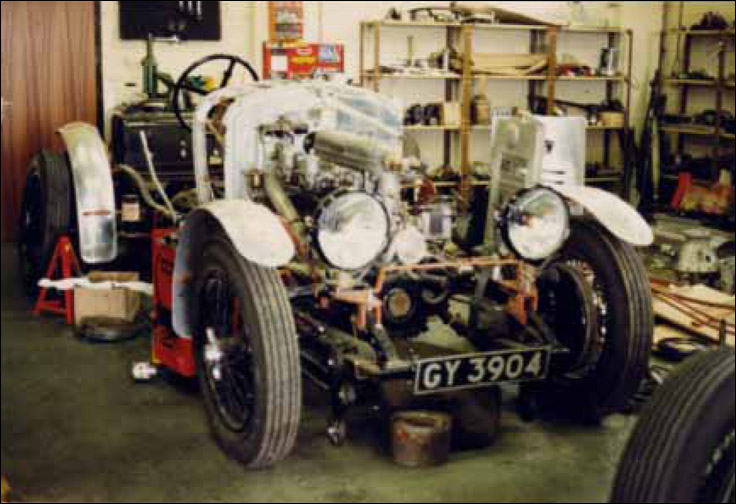
The car in this photograph was previously not identified as being Chassis No. MS3934 . But a reader has identified it on the basis of "identical to the 1980s photo (below) with chrome headlights, identical mudguards, identical lights, identical screens, identical mirror, identical everything etc." — From our regular contributor in the UK - Apr 01, 2013 (name withheld on request)
Source: "Thoroughbred & Classic Cars" magazine, May 1980
Posted: Jul 31, 2008
Earliest Record Of Historical Facts & Information
| Chassis No. | MS3934 |
|---|---|
| Engine No. | MS3937 |
| Registration No. | GY 3904 |
| Date of Delivery: | 30 Apr 1931 |
| Type of Body: | 4-seater |
| Coachbuilder: | Vanden Plas |
| Type of Car: | N |
| First Owner: | HANDLEY W R |
| More Info: | According to original Vanden Plas Coachbuilder records, this car was originally fitted with Body No. 1727 with a supercharged; 2-door, 4-seater (as 1725); apple green / black mouldings; 4/1931. Michael Hay, in his book Bentley: The Vintage Years, 1997, states: "D/7246. Vanden Plas body no. 1727. Dismantled/rebuilt as 6� Litre. Now rebuilt as Birkin replica on 9'9�" Wheelbase by H&H. Engine based on crankcase SM 3920 ex ch. SM 3918. S/C ex ch. SM 3924." |
Mar 1, 2007