
Vintage Bentley
Production NOS.
Where To Look For
Chassis & Engine NOS.
Bentley Specials & Special Bentleys
Unidentified
Bentleys

1931 Bentley 4½ Litre F/H Coupe
Chassis No. FS3617
Engine No. FS3617
Registration No. GH 6880
March 31, 2016
Click on thumbnail for larger view


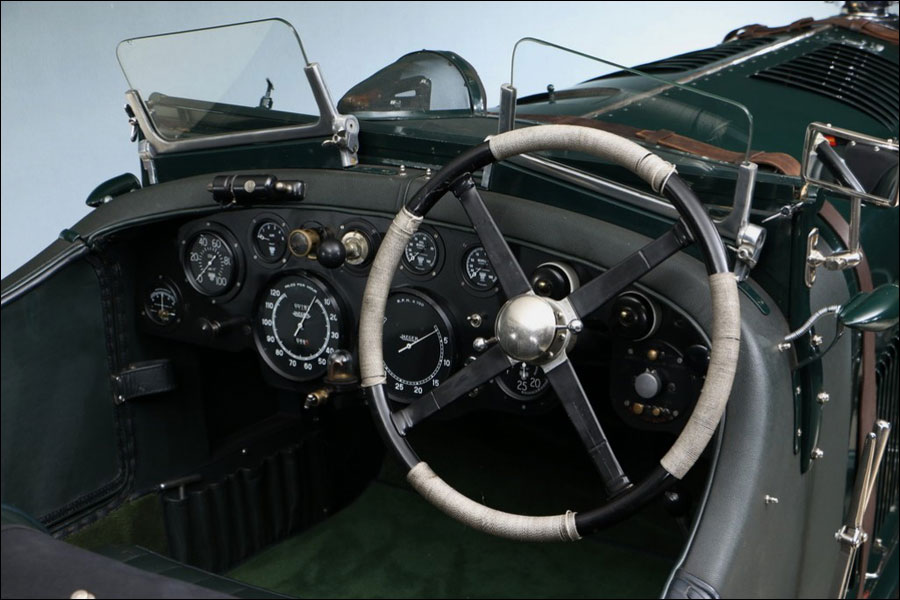
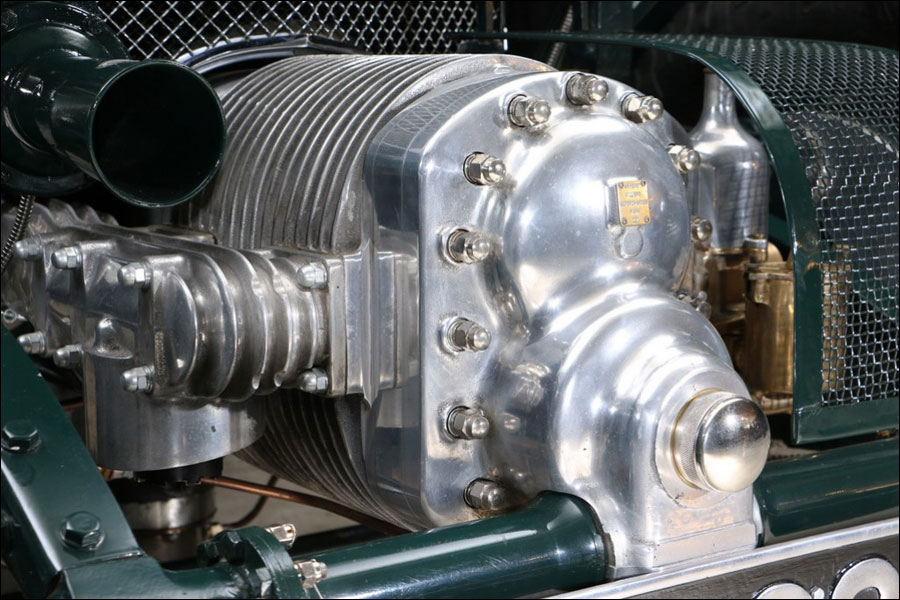

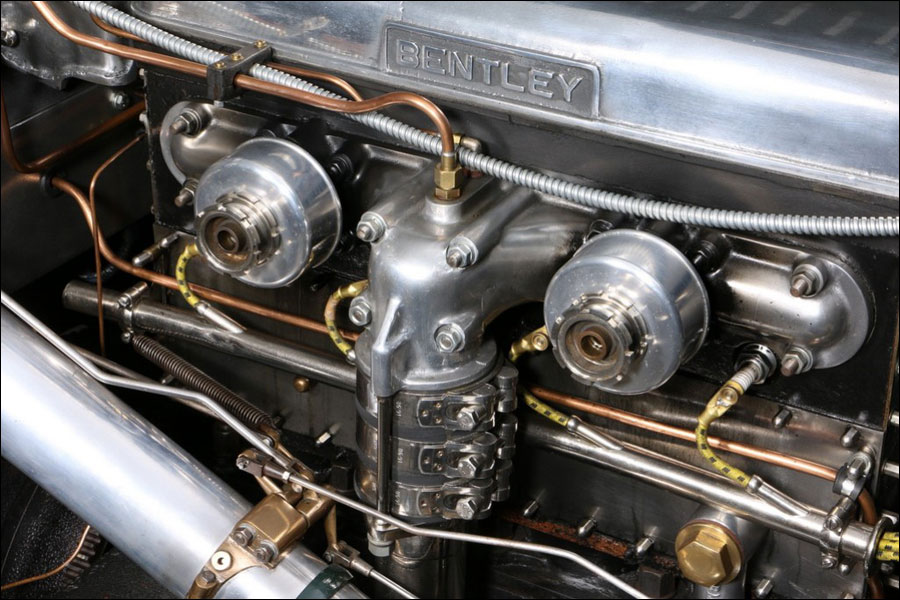
Source: Thiesen - Automobile Raritäten
Posted: Apr 5, 2016

January 31, 2016
Click on thumbnail for larger view


Source: Flickr, posted by user 'Christopher Perez'
Posted: Feb 6, 2016
June 30, 2014
Click on thumbnail for larger view

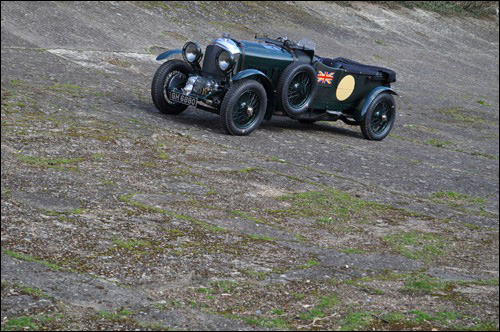

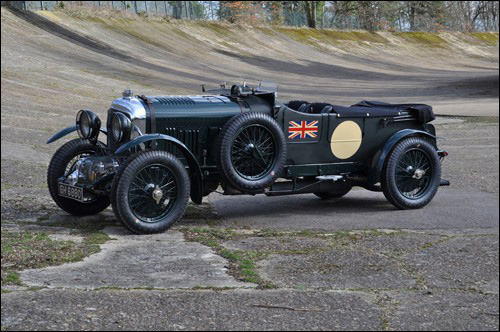

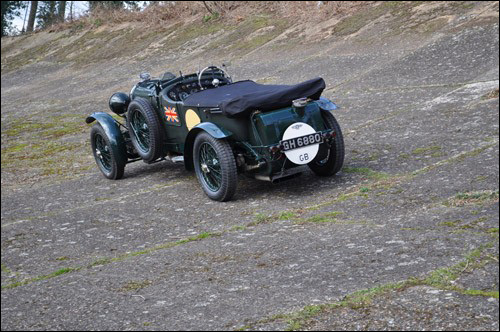


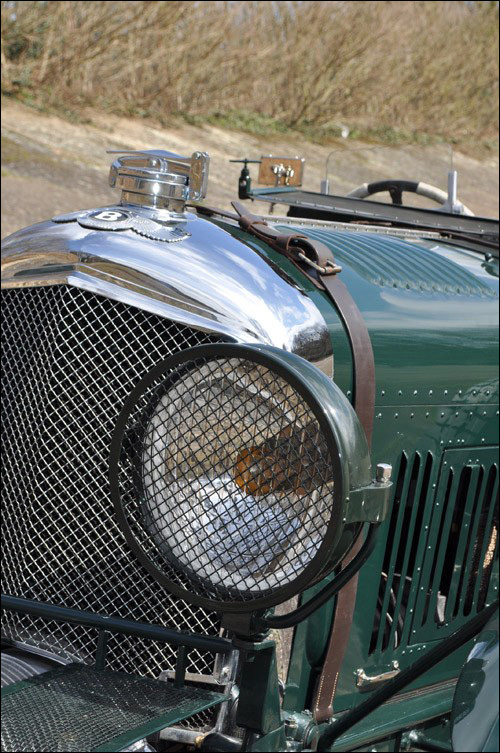


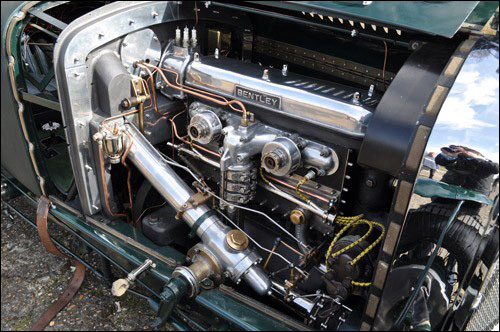

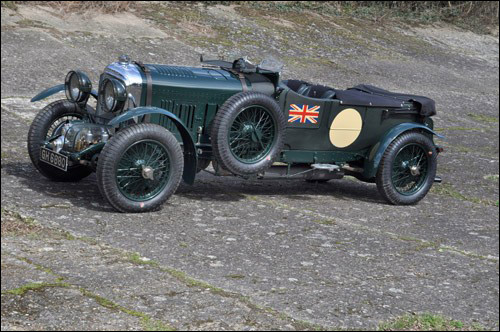


"1930 Bentley 4½ Litre Supercharged (Blower) - Only Three Owners
Estimate: €700,000 - €850,000
Registration Number: GH 6880
Chassis Number: FS3617
Very few would dispute the claim of the Bentley to represent the true greatness of British sporting motoring in the vintage era, and though the title would be strongly contested by proponents of the Three litre, and some would argue for the merits of the six-cylinder models, the majority would surely pick the mighty 4½ Litre as the finest flowering of the Marque. The car was a natural step in the company's evolution; though the Three Litre had been pretty successful in sales terms, it had been developed about as far as it could in performance terms by 1925 and was beginning to lose ground in competition to its competitors.
The logical solution was the 4½ Litre; with a capacity fifty percent bigger, output was very considerably greater, and the powerplant was mounted in a massively strong chassis which was in fact very little heavier than its predecessor. In standard trim with a Vanden Plas touring body, it was capable of a thundering 92mph flat out, pretty near to the top of its class, and some of the specially-equipped short chassis cars with le Mans modifications and higher gearing could top the magic figure of 100mph. W O Bentley had always been fully aware of the importance of racing success on sales figures, and the 4½ litre showed its potential on its first outing at Le Mans in 1927.
Frank Clements, one of the celebrated 'Bentley boys', the factory team drivers, proceeded to smash the lap records time and time again. Some 667 chassis were built before the demise of the firm in 1931, quick, strong and full of character, but undoubtedly a some of the most charismatic Bentleys of all were the 'Blowers' the fifty-five cars equipped with awe-inspiring superchargers designed by the very gifted Amherst Villiers.
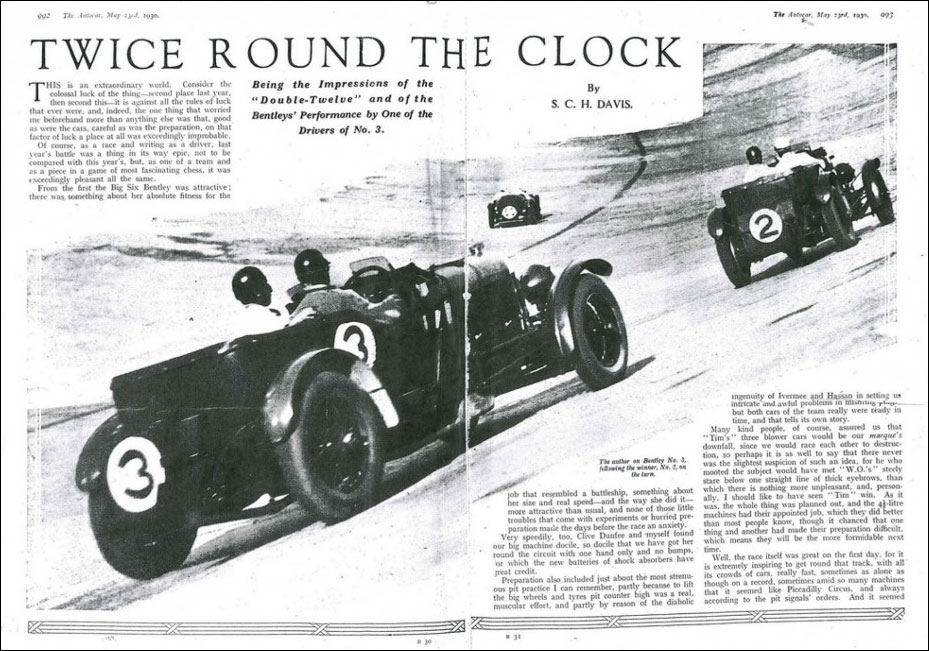
The Blower project owed much to the search for extra performance conducted by Sir Henry 'Tim' Birkin, one of the most prominent of the Bentley boys; to be accepted at Le Mans a total of fifty had to be produced for homologation purposes, a strain on the company's overstretched finances, but the dramatic result was without doubt a significant element of the Bentley legend, a byword for sheer power of a distinctly 'British' kind. Long before Ian Fleming placed James Bond at the wheel of an Aston Martin, he had 007 thundering around in a supercharged 4½ litre.
We are delighted to be able to offer today a truly exceptional example of the 4½ litre, in that the entire history of the motorcar is known and traceable with only three owners in the past 84 years, only a hand full of the very last 4½ litre cars were built to this car's specification as they were intended to take the extra talk and performance of the Blower engines however commercial pressures and costs took over and these final cars, although built to heavier specification, were sold as normally aspirated Bentleys.
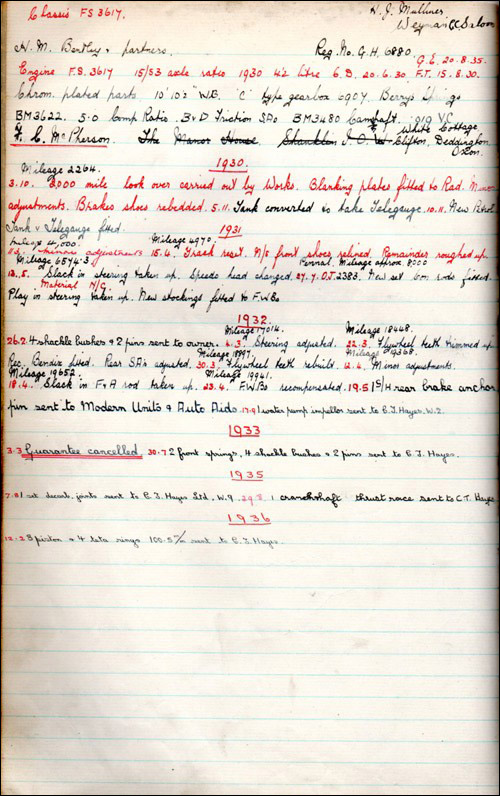
FS3617 was undoubtedly the ideal candidate to be fitted with a supercharger. FS3617 was delivered to a Mr Macpherson by the firm of WO Bentley's brother, H M Bentley and Partners, in August 1930; it is one of the very rare and desirable 'heavy crank' versions of the 4½ Litre, a strengthening modification introduced on the late chassis to cope with the additional engineering strain when a supercharger was fitted; another change was that the engines were now cast in a light and extremely strong alloy known as Electron, as was the bulkhead between the engine bay and the passenger compartment, and an improved clutch of plate type rather than the old-fashioned cone type was employed.
The original owner retained the motorcar until 1939, and the car's history contains a charming letter from his daughter to the BDC Gazette which mentions some delightfully colourful anecdotes of her family's ownership, and then tells of parting with the car on the outbreak of war.
It passed to a Mr Stribley, who had it till the late 1950s and campaigned it in Bentley Drivers' Club events; a couple of shorter spells of ownership followed, until it went in 1959 to a Mr David Roberts of Richmond, a dedicated and active Bentley collector, who was to retain it till the late 1980s. After thirty years of storage, FS3617 changed hands once again, into the hands of the present vendor, and a whole new phase in this remarkable motor car's history began.
A restoration was begun, with an amazing degree of sensitivity and attention to detail; the correct original 10' 10'' chassis length was retained. When, after further detailed research, it emerged just how much these late 'heavy chassis' 4½ Litres had in common with the Blower cars, as we have seen, it was decided to bring the car up to the specification of YU3250, Sir Henry Birkin's celebrated 10'10'' Team car, and subsequently reproduced to the delight of legions of juvenile enthusiasts by Lesney in the 1960s 'Matchbox' series.
The whole of the chassis and every component on it, the drivetrain and all its internals, were stripped of the chassis and rebuilt by the country's foremost expert Bentley craftsmen, including a supercharger, heavy-duty oil pump drive, and 'Blower'-type front springs from the highly-regarded John Bentley Company in Yorkshire.
Included in the history file is a copy of a photograph of the original H.J Mulliner Sports Saloon as it left the factory, and also pictures of the vehicle as found in its unrestored state.
No detail of the magnificent exterior appearance was overlooked either, including such elements as a superb original set of fork-fitting Zeiss headlamps, with a Bosch trumpet horn, a long Birkin-type bonnet with side and top flaps, racing aero screens with regulation wire mesh screen (though a glass screen with wiper is also with the car), and the motorcar is fitted with the correct heavy-duty triple-laced 21inch wire wheels, equipped with fine new 650x21 Blockley tyres.
It really is very hard to convey the sheer impact of this wonderful motor car; it is extraordinarily hard to find any Vintage Bentley let alone a heavy-crank 4½ Litre which still retains, after well over eighty years, its original chassis, front axle, engine, gearbox, steering box and column, bulkhead, magnetos and carburettors...the list just goes on and on. The enormous amount of expert restoration work really has been quite superbly executed, in a manner to inspire total confidence.
This motorcar really will be an ornament to any collection in which it finds itself, and will without question be a source of immense satisfaction to its future owner."
Source: Coys, UK
Posted: Mar 19, 2014
2006
Posted: Jan 1, 0001
1930
Click on thumbnail for larger view
Source: Coys, UK
Posted: Mar 19, 2014
Click on thumbnail for larger view


Source: Thiesen - Automobile Raritäten
Posted: Apr 5, 2016
Earliest Record Of Historical Facts & Information
| Chassis No. | FS3617 |
|---|---|
| Engine No. | FS3617 |
| Registration No. | GH 6880 |
| Date of Delivery: | 31 Jul 1930 |
| Type of Body: | F/H Coupe |
| Coachbuilder: | H J Mulliner |
| Type of Car: | No info |
| First Owner: | McPHERSON F C |
| More Info: | Michael Hay, in his book Bentley: The Vintage Years, 1997, states: "Reg JUL 732 chassis number given as BMX 3001. Dismantled - being rebuilt with new supercharger 1990, Vanden Plas 4 seater by Arley." |
Mar 1, 2007