
Vintage Bentley
Production NOS.
Where To Look For
Chassis & Engine NOS.
Bentley Specials & Special Bentleys
Unidentified
Bentleys

1930 Bentley 6½ Litre SP2 Saloon
Chassis No. FR2630
Engine No. FR2633
Registration No. UU 306
July 31, 2019
Click on thumbnail for larger view
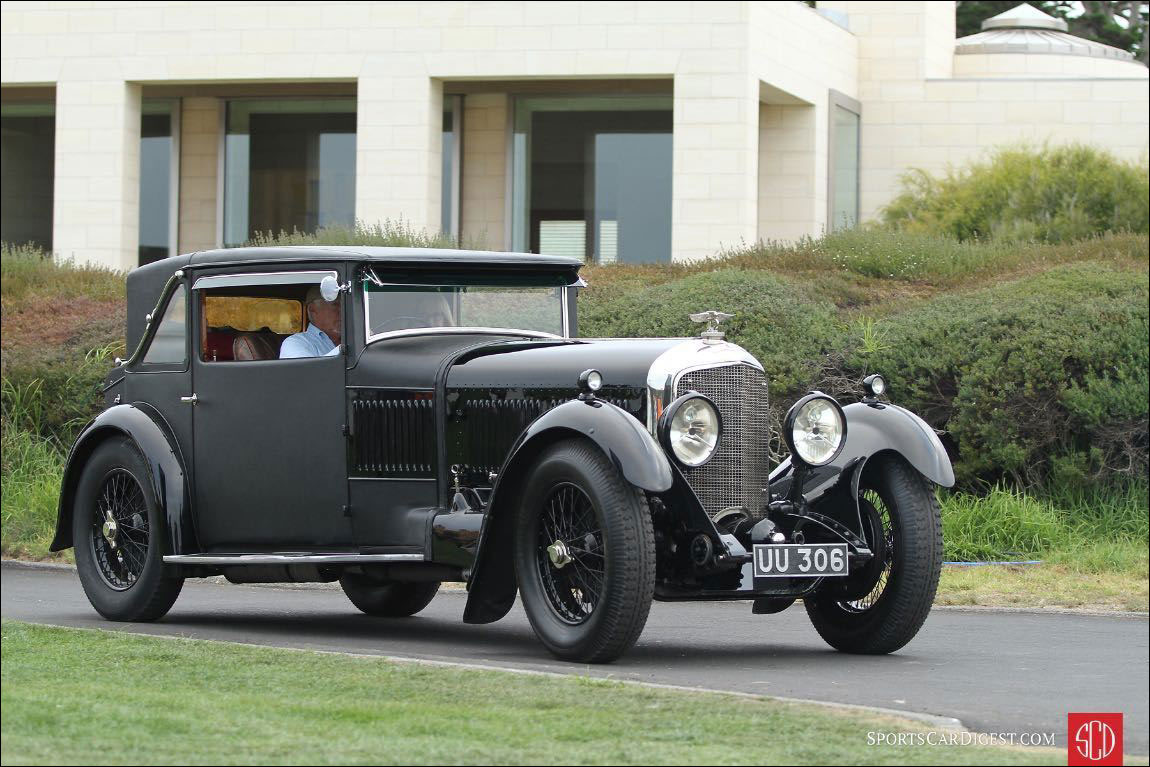
Source: Sports Car Digest
Posted: Oct 15, 2019

March 31, 2018
Click on thumbnail for larger view
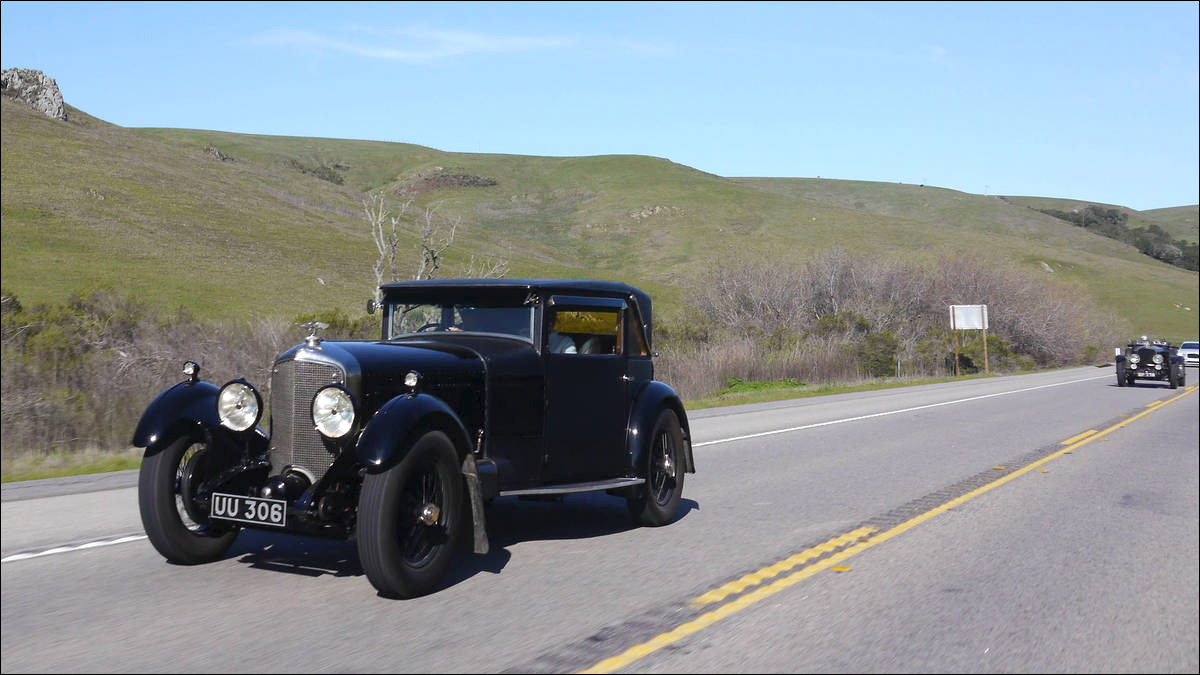
Source: AutoWeek
Posted: Sep 14, 2018
June 30, 2013
Click on thumbnail for larger view
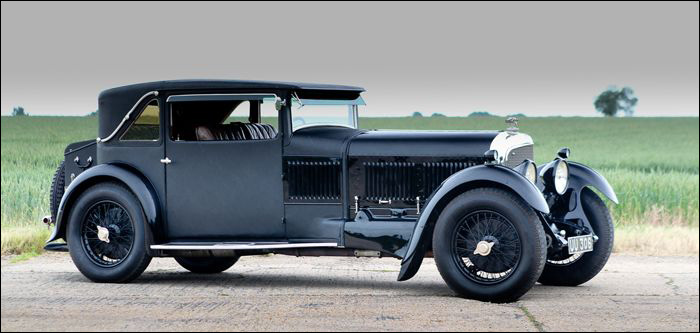
Leading the forthcoming Pebble Beach Auction offerings is a numbers-matching, original bodied 1929 Bentley Speed Six Grafton Coupe, Chassis FR2630 (Estimate: $3,000,000-4,000,000). One of a limited number of pedigreed examples to survive today, this exceptionally pure Bentley is finished in black and boasts beautiful original interior and woodwork. The Grafton Coupe is one of just 182 Speed Six models built by Bentley, based on the legendary two-time 24 Hours of Le Mans winner, and one of the most heralded pre-war sports cars. The exceptional Freestone & Webb coachwork is emblematic of the era’s high fashion, and it is strikingly handsome with a closed-coupled passenger cabin and helmeted fenders to further accentuate the long, low look of the automobile. The Speed Six has benefited from several long term owners allowing for its fabulously original state. The uncommon appearance of a sporting Bentley Coupe at auction presents a rare opportunity for any collector.
Source: Gooding & Company
Posted: Jul 25, 2013
June 30, 2013
1929 Bentley Speed Six Grafton Coupe
To be sold at the Gooding & Company Pebble Beach Auctions on August 17 and 18, 2013.
The precise details of the order for FR2630 are unknown, but period photos of the sister car, BA2591, show the striking design of the closed coupled coupe mated to a long bonnet and scuttle fitted to one of Bentley’s short chassis offerings. The body itself was rexine fabric over an ash frame, which saved weight. The body sat low and enveloped the chassis rails, giving the car a more modern appearance. Desirably helmeted fenders were fixed front and rear and a very tidy trunk with a rear spare were fitted aft. The fenders, in conjunction with a profile void of spare wheels, elongated the car and enhanced the overall proportions. In detail, a small triangular rear-quarter window was added, accentuated by faux landau irons. Freestone & Webb’s interiors matched the era’s styling with quartered veneering on the dash and door panels. The cars were generally well appointed with premium materials and passenger amenities. For example, the Grafton Coupe includes a fold-down ashtray for the rear right-hand seat, which was generally the gentleman’s position, and when folded up has a metal liner and chute allowing for ash to drop out by the back wheel. Invoiced to Anglo-Scottish Textiles Ltd., a maker of woolen goods for both men and women with retail locations in the heart of London and Paris, the car was intended for the firm’s director, Henry C. Turner. The Speed Six was purchased for £4,600 but a £2,300 allowance was given for the trading in of a Victor Broom-bodied 4 1/2 Litre.
This was the second of two Grafton Coupes bought in mid-1929 by Turner, the first of which, chassis BA2591, no longer exists. Henry Turner was a colorful character who quickly became a regular client of Bentley Motors and Jack Barclay Ltd., Bentley’s premier London dealer. Between 1928 and 1930, Turner had purchased seven new Bentleys of which three were 4 1/2 Litre models, and the remaining four were Speed Six variants. Chassis prices for the Speed Six neared £2,000 new, putting a completed car at £4,500 if not more. Having seven Bentleys in just three short years was no doubt a luxurious expenditure, and certainly one few could afford. Interestingly enough, in 1931, Turner and three others were remanded in an alleged conspiracy to defraud Lloyds Bank. Turner alone was charged with 120 counts of fraud to the amount of £51,519. Prior to these allegations, however, the Grafton Coupe was sold to Dr. Joseph Le Fleming Burrow in September 1930 with service records indicating just under 12,000 miles. Dr. Le Fleming Burrow of Leeds, a doctor in the field of neurological psychopathology, was noted for his research on tabes dorsalis, also known as syphilitic myelopathy. The service records for FR2630 document the doctor’s regular use of the Speed Six and consistent maintenance through 1934. Of note is the replacement of the cylinder block in December 1930 and minimal repair after a minor accident in June 1932. In October 1934, the Grafton Coupe was fitted with Lucas P100 headlamps, which still remain on the car. The final service entry notes the fitting of a reconditioned front axle bed, the front axle numbered KD2112, which also remains on the car today. As a member of the Bentley Drivers Club, it is known that Dr. Le Fleming Burrow retained the car until 1949 if not longer. Further club documentation shows that by 1974 the Speed Six was in the ownership of Sir Jack Stewart Clark. Sir Stewart Clark, a Scottish baron, was a British member of the European Parliament in addition to being a BDC member. In 1984, the Grafton Coupe passed to Mervyn Frankel, a noted Bentley enthusiast, club member, and marque author.
The car changed hands more recently, coming into the care of yet another Vintage Bentley enthusiast. Today, the Grafton Coupe presents as an incredibly pure and unique example of the venerable Speed Six. Retaining all of its original, major mechanical components, the chassis of FR2630 was found by Clare Hay, at the time of her report, to be exceptionally correct. Furthermore, inspection of the car’s chassis leads one to believe that this is a low-mileage example, which has never suffered from disassembly or poor repair practices. The coachwork is also extraordinarily correct, retaining its wonderfully patinated, yet very well-cared-for, original interior. Even the interior woodwork is original and emblematic of the period craftsmanship of Freestone & Webb. Additionally, the Bentley retains its original instrumentation, generally a sign of long-term care, or rather, an indication contrary to the car having fallen upon hard times. As one would expect, some renewing was undertaken, including the carpeting, but the interior has a genuinely inviting feel, which cannot otherwise be replicated. With the understated black finish of the exterior, the coupe is a proper looking Speed Six, with an elegantly powerful appearance.
Most recently, Graham Moss, of noted R.C. Moss Ltd., has prepared the Grafton Coupe for use as a long-distance touring car, suitable for events such as the Flying Scotsman Rally, which the car completed this past year. The work was heavily focused on the driving pleasure of the car; notably, the gear change, brakes, and clutch have been adjusted to that end. Furthermore, conservation work was conducted on the interior and engine compartment. One particular challenge was the completion of various work to ensure the continued safe use of the original interior without the need for concern by the owner. Leather covers have also been made to further protect the leather on long tours, which are simple to remove should it be required. Under bonnet work has included the repair and re-commissioning of the original carburetors and manifold even down to the manufacturing of the Ripault priming cups, rarely seen on Vintage Bentleys today. Upon completion of the work, Moss found the car a joy to drive and “one of the most original examples of the Speed Six Bentley we have had the pleasure to work on.” The Speed Six presented here remains the only Grafton Coupe extant, and one of just five original-bodied, matching-numbers Speed Six Coupes. For that matter, this is one of an approximate and scarce 25 cars that can make any such claim. As with any Vintage Bentley model, a significant portion had been lost by the end of WWII, but more unfortunately, a vast majority of Speed Sixes failed to survive the butchering of cars to make Specials and Le Mans replicas. FR2630 can be counted amongst the finest remaining examples of the marque. Its contemporaries have found ownership in the greatest collections the world over, and the opportunity to acquire such a pedigreed example is few and far between. This is an opportunity worth considering, and a car deserving of the attention. The Grafton Coupe is an exceptionally genuine example of the legendary Speed Six.
Source: Fine Cars
Posted: Jul 25, 2013
April 19, 2013
Click on thumbnail for larger view
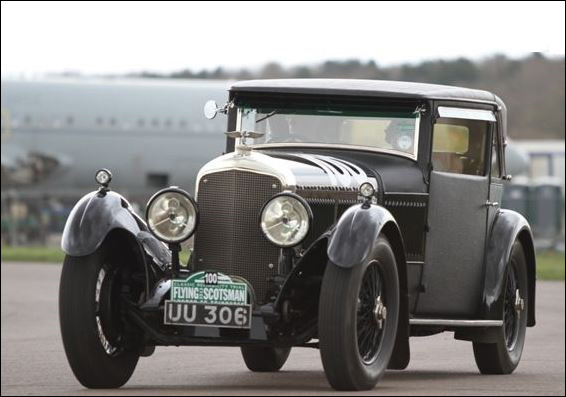
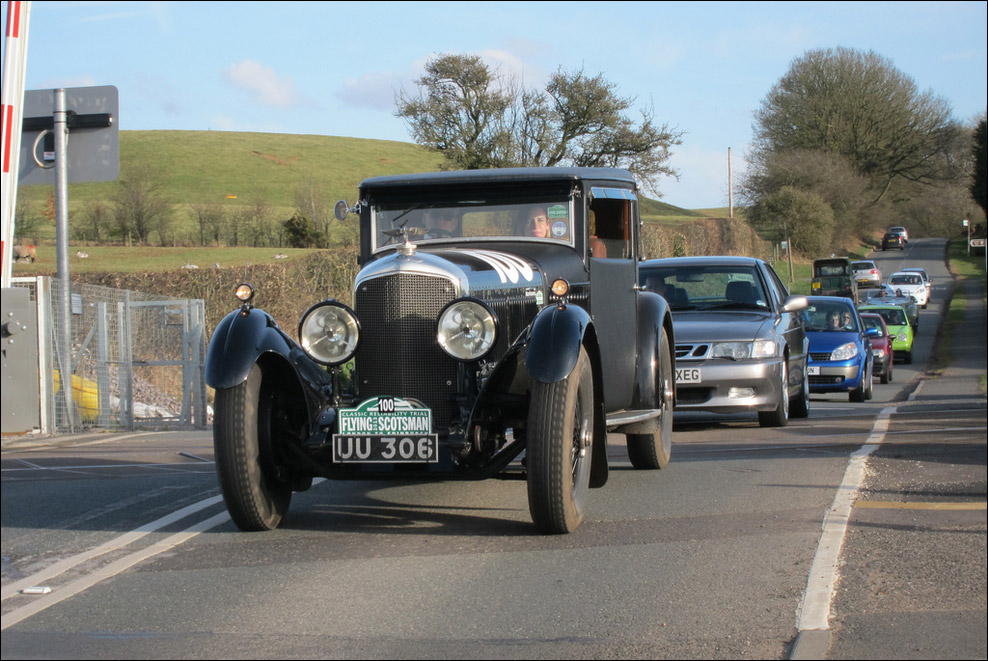
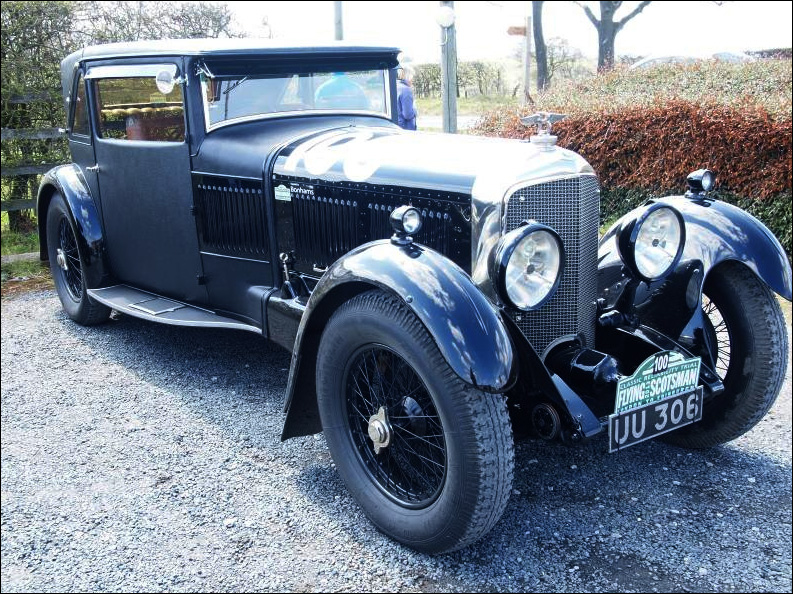
Source: Retro Speed & Flickr, posted by users 'David Ambridge' & 'Peter Barker'
Posted: Jun 15, 2013
March 31, 2012
Click on thumbnail for larger view
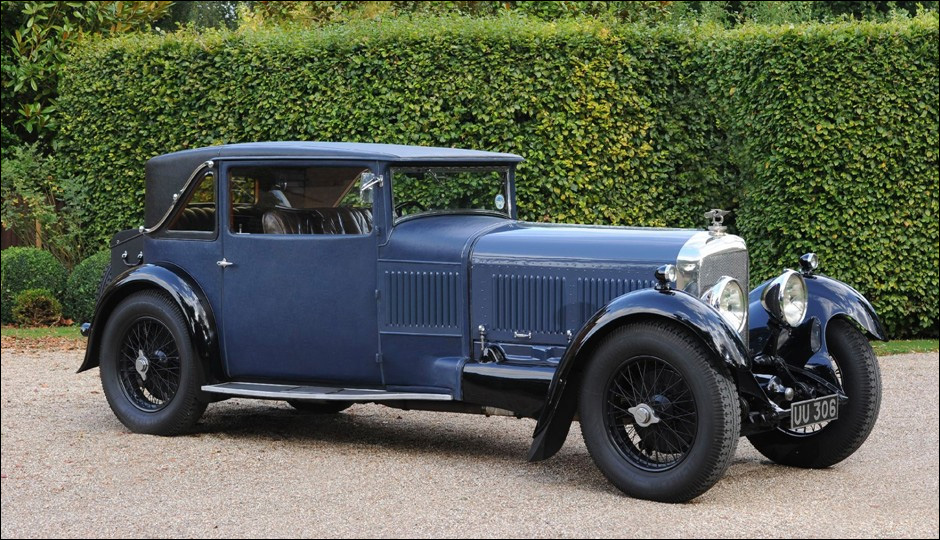
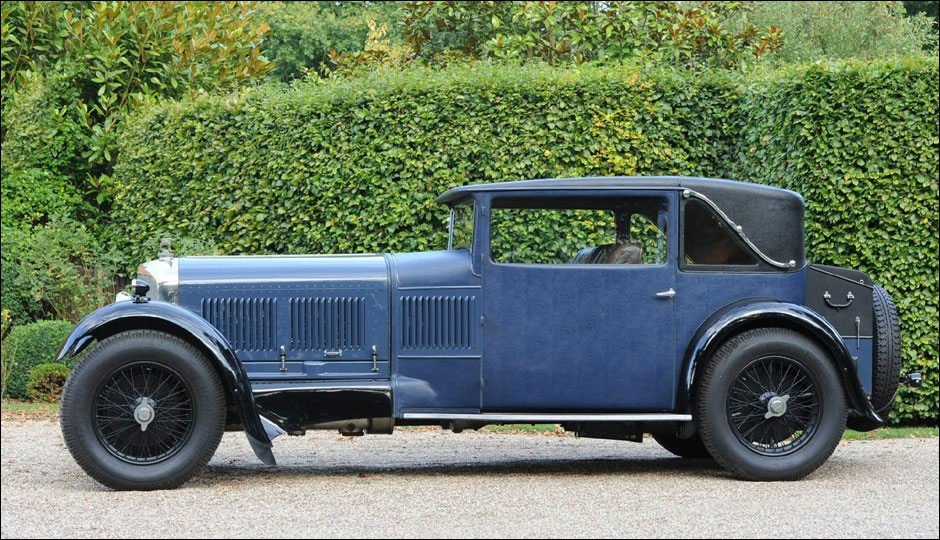
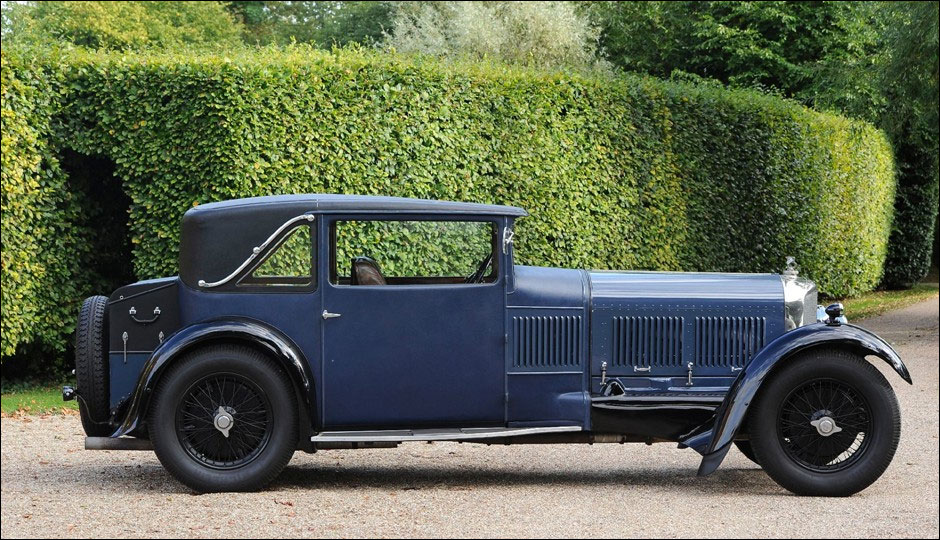
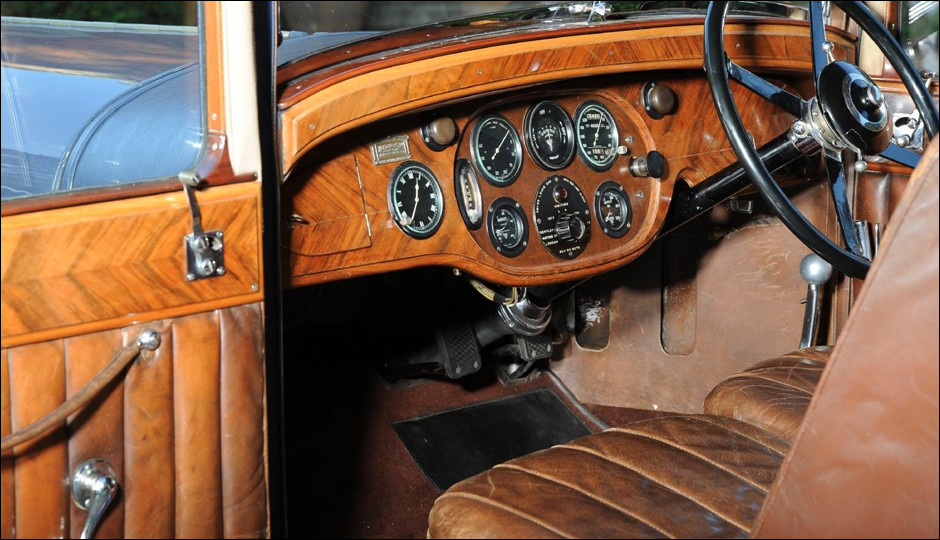
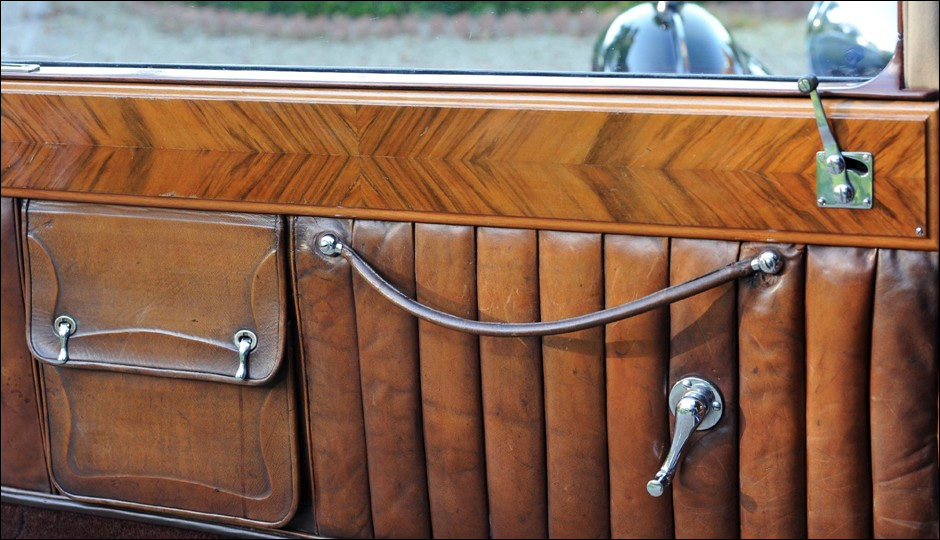
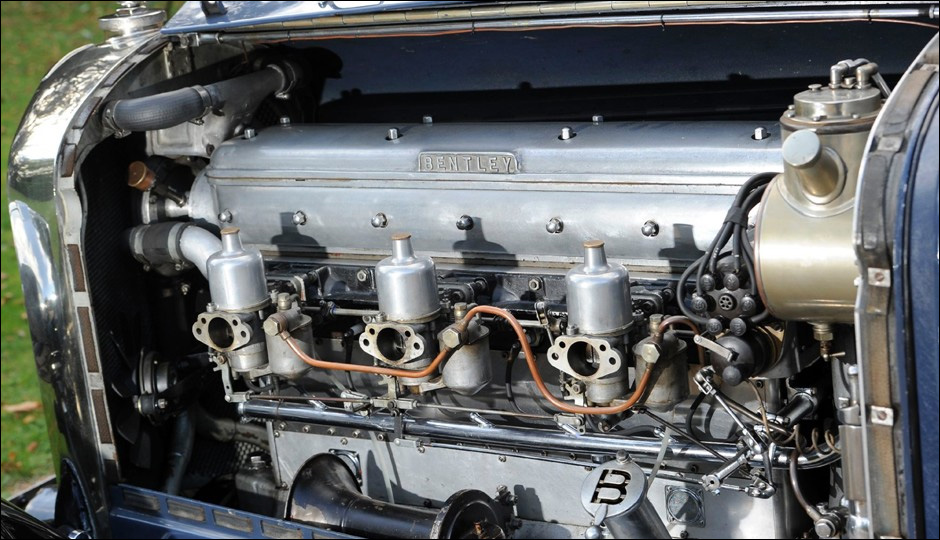
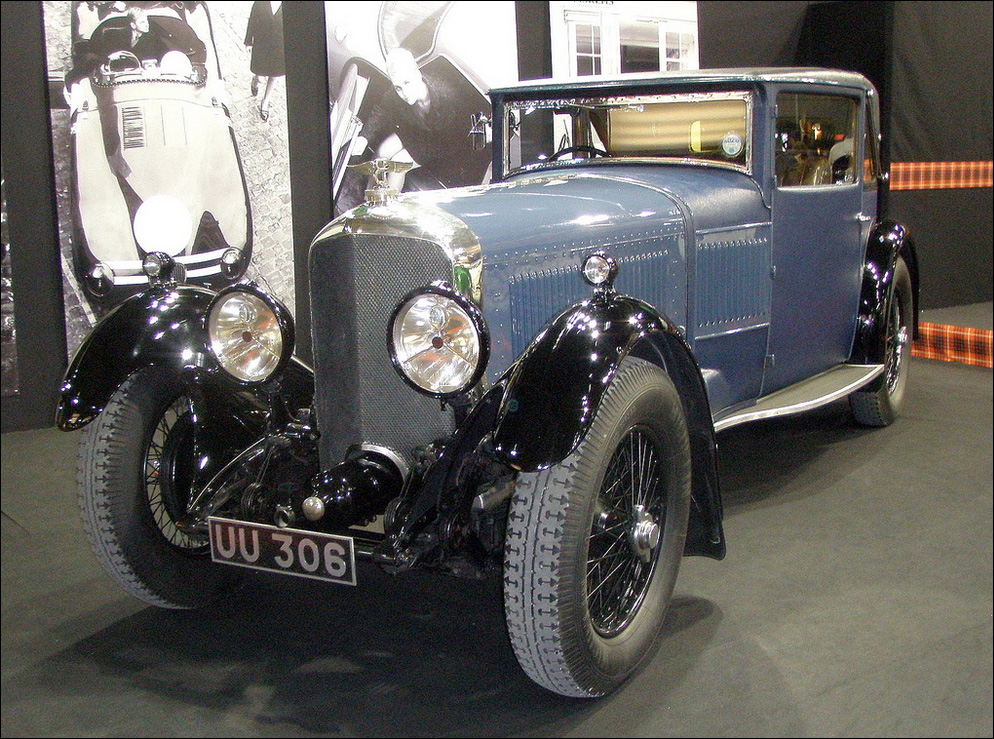
Chassis FR2630 was built in 1929. Records show that the first owner was C. Turner, a director at Anglo-Scottish Textiles, Yorkshire. Turner absolutely knew that the finest Bentley available was the race-bred Speed Six Chassis with a comfortable, stylish closed body. Consequently, he instructed Freestone and Webb, the high-class London coachbuilder, to fit his chassis with an example of their celebrated ‘Grafton Coupe’.
This Speed Six has enjoyed a comparatively sedate life, often in the hands of Bentley Drivers Club members, which certainly accounts for its current condition. As confirmed in a detailed report by historian Clare Hay, FR2630 is a remarkably original example – not just as a Speed Six, but relative to many other WO Bentleys. All the major mechanical components are original to the chassis, as is the exceptionally pretty body. Even the interior in its extraordinary state of preservation, right down to the hidden ashtray for the passengers in the back seat.
Walter Owen Bentley never had an open car as his own, always preferring a closed vehicle as his personal form of transport. However Bentley Motors chairman Wolf Barnato drove numerous Speed Sixes with various bespoke coachwork as his daily vehicle. This Speed Six is an exceptional example of one of the most revered Bentleys, a true reflection of the style, speed and engineering excellence that gave the marque its reputation.
Source: Fiskens
Posted: Apr 10, 2012
February 4, 2012
Click on thumbnail for larger view
Source: Flickr, posted by user 'Hugues'
Posted: Mar 5, 2015
2009
Click on thumbnail for larger view
Source: Flickr
Posted: Oct 4, 2011
August 31, 2006
Click on thumbnail for larger view
Source: Dave Williams
Posted: Jul 13, 2015
2006
Posted: Jan 1, 0001
Click on thumbnail for larger view
Source: Stadioscope
Posted: Jan 13, 2007
Click on thumbnail for larger view
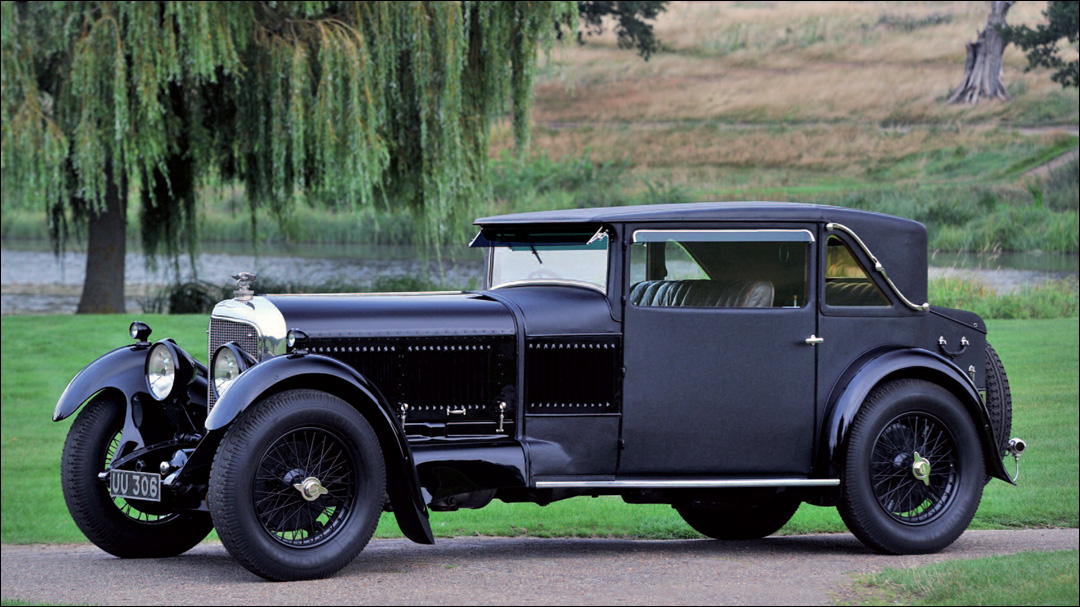
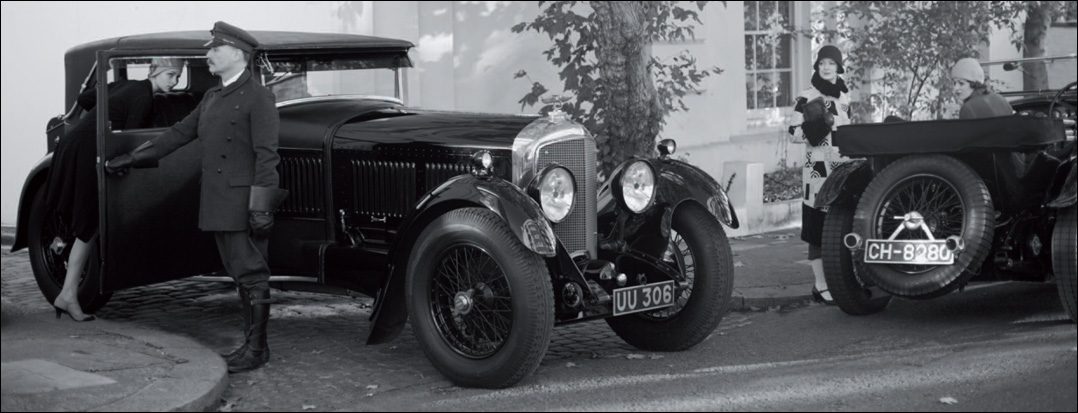
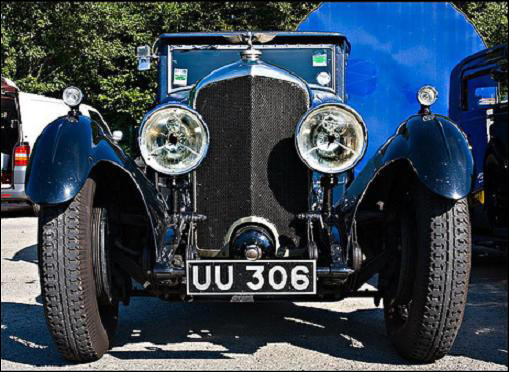
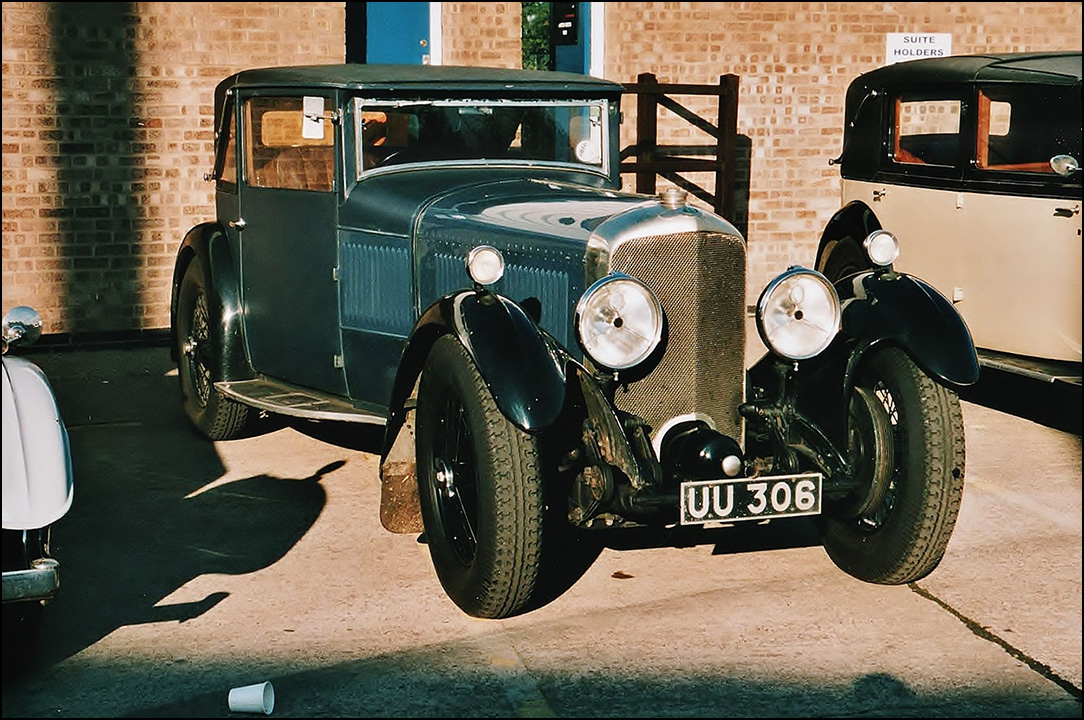
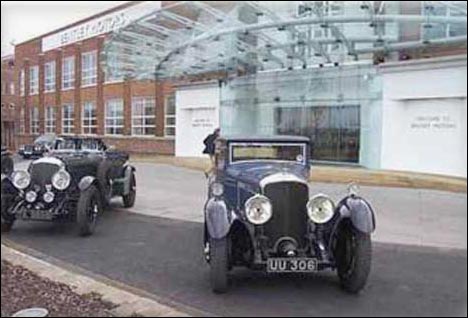
The 6½ Litre Speed Six was W.O’s favourite personal road car, and as a race car it won Le Mans not once but twice! UU 306, a short-chassis Speed Six, remains the sole survivor of the celebrated ‘Grafton Coupes’ by Freestone & Webb and is one of less than eight original-bodied two-door coupes remaining. Recently returned to its original black livery by Neil Twyman Ltd, this extraordinary Bentley even retains its staggeringly original tan hide interior. A true reflection of the style, speed and engineering excellence that gave Bentley his reputation, UU 306 formed part of the most recent Nick Clements photo shoot, set in 1920s London.
Source: Fiskens
Posted: May 6, 2013
Click on thumbnail for larger view
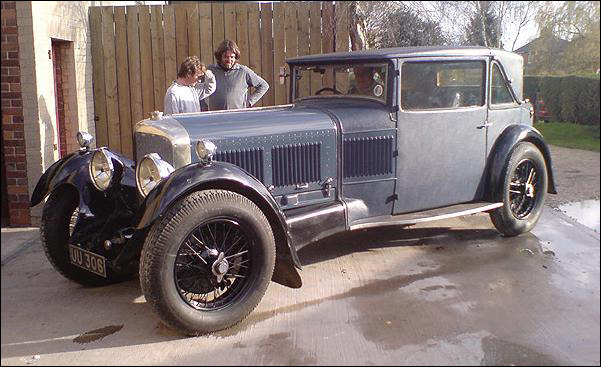
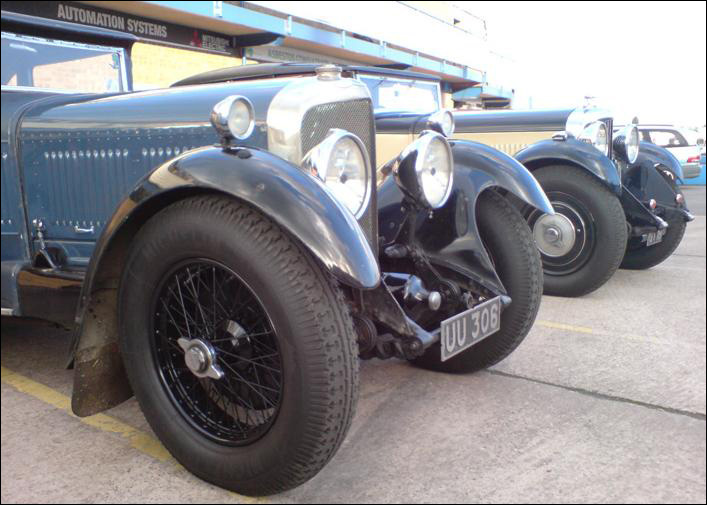
Source: Long Stone Tyres, UK
Posted: Oct 4, 2011
Earliest Record Of Historical Facts & Information
| Chassis No. | FR2630 |
|---|---|
| Engine No. | FR2633 |
| Registration No. | UU 306 |
| Date of Delivery: | 31 May 1929 |
| Type of Body: | Saloon |
| Coachbuilder: | Freestone & Webb |
| Type of Car: | SP2 |
| First Owner: | ANGLO-SCOTTISH TEXTILES |
| More Info: | Michael Hay, in his book Bentley: The Vintage Years, 1997, states: "Still fitted. Original body." |
Mar 1, 2007