
Vintage Bentley
Production NOS.
Where To Look For
Chassis & Engine NOS.
Bentley Specials & Special Bentleys
Unidentified
Bentleys

1928 Bentley 3 Litre SP 2-seater
Chassis No. AX1651
Engine No. AX1651
Registration No. YH 2916
August 2026
Click on thumbnail for larger view
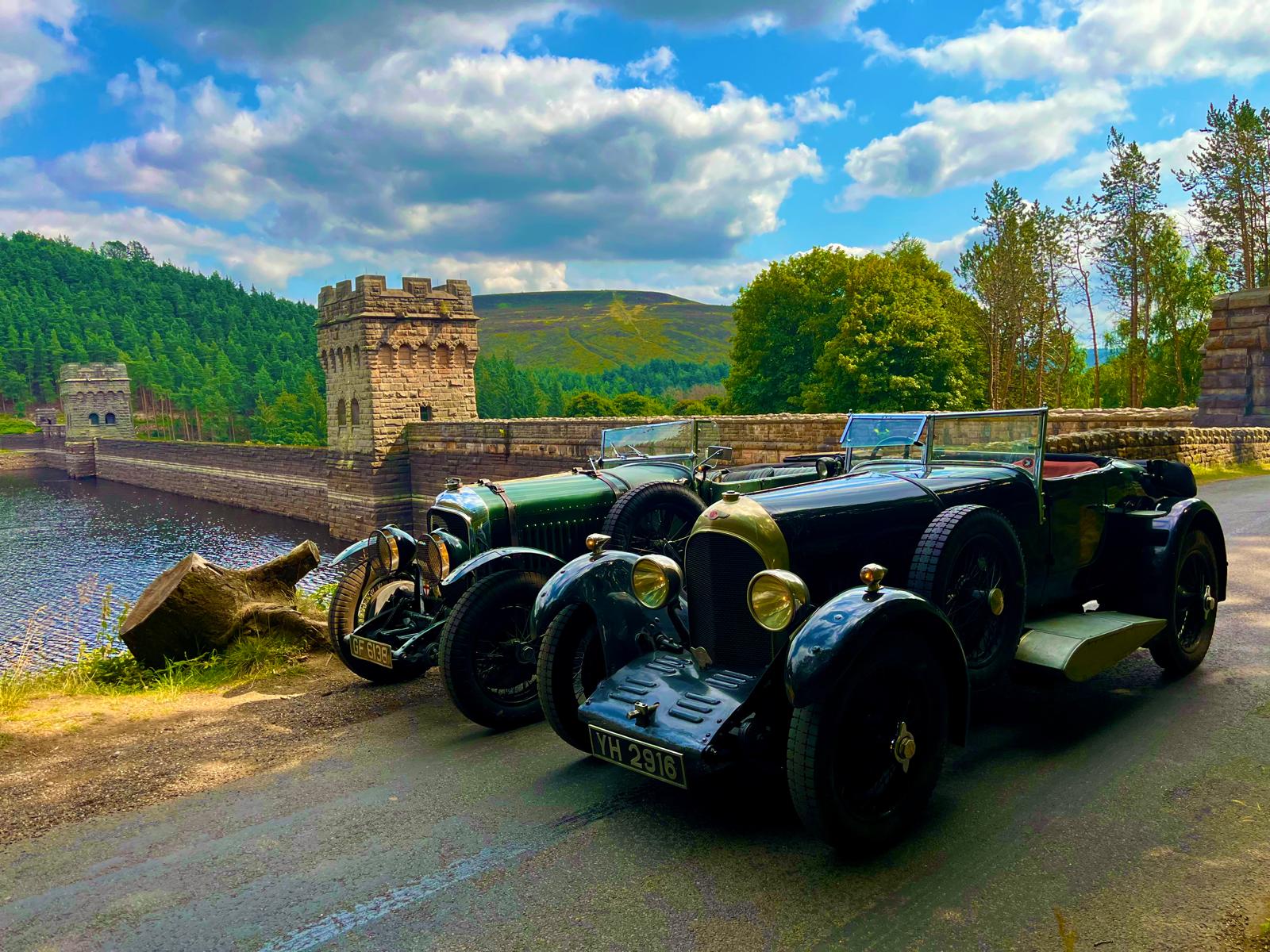
Source: Ernst Jan Krudop (Owner)
Posted: Aug 12, 2026

2026
Click on thumbnail for larger view
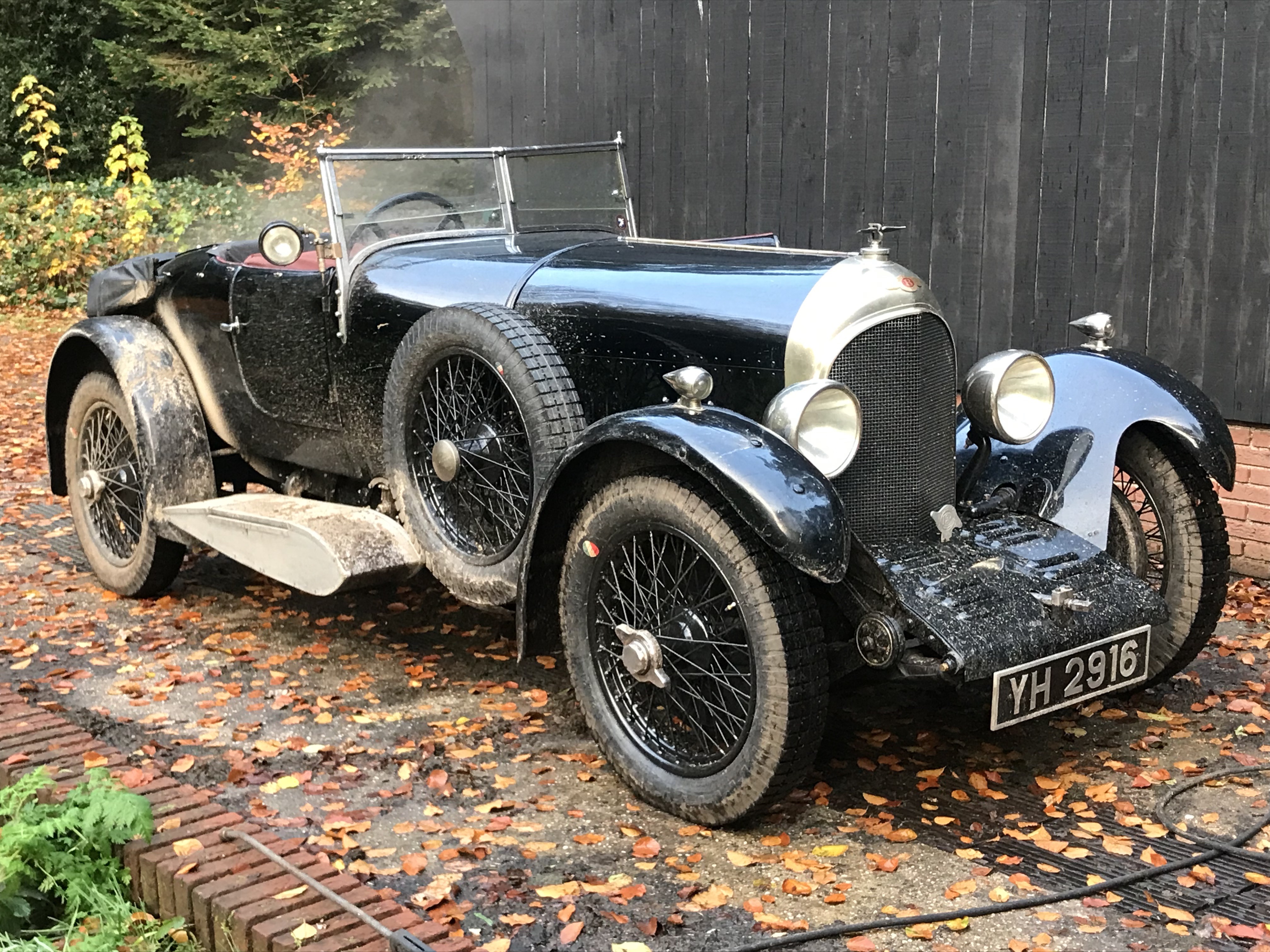
Source: Ernst Jan Krudop (Owner)
Posted: Aug 12, 2026
August 31, 2020
Click on thumbnail for larger view
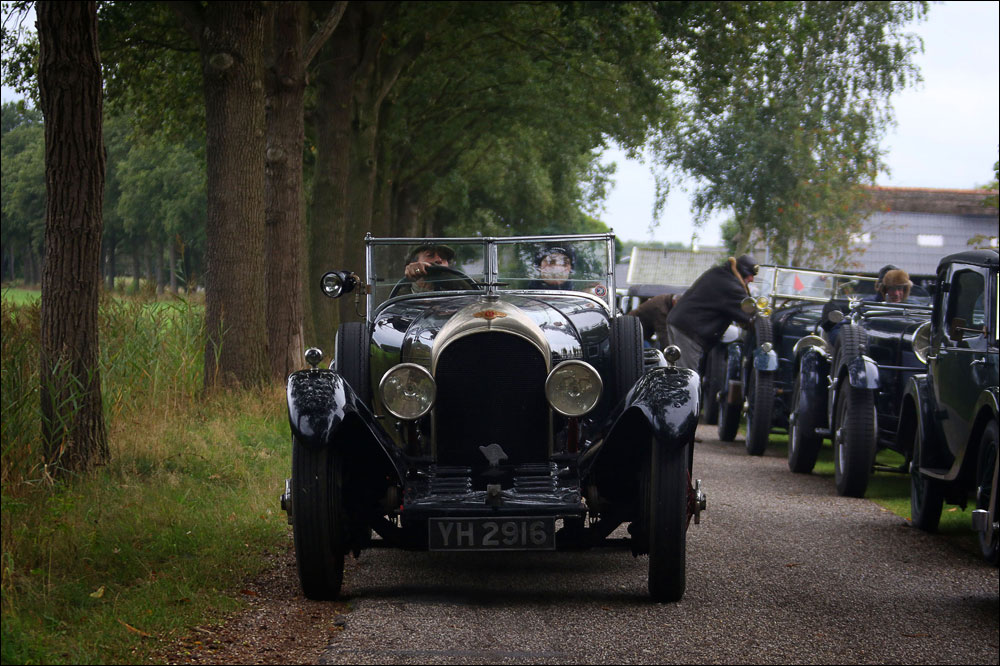
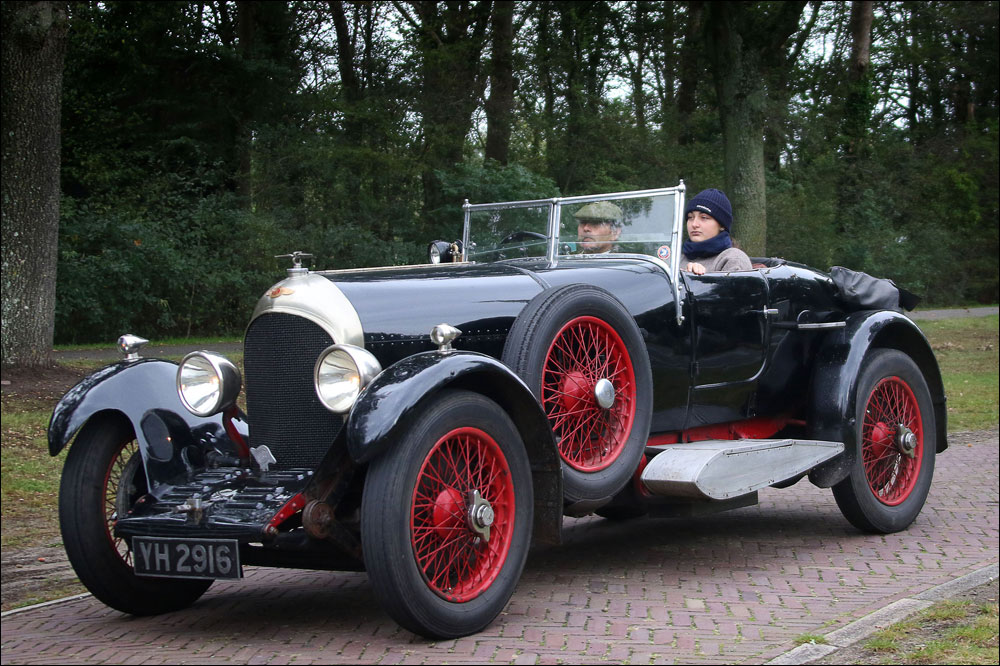
De Sallandse Heuvelrug Rit, 27th September 2020
Source: Ernst Jan Krudop (Owner)
Posted: Sep 29, 2020
2012
Click on thumbnail for larger view
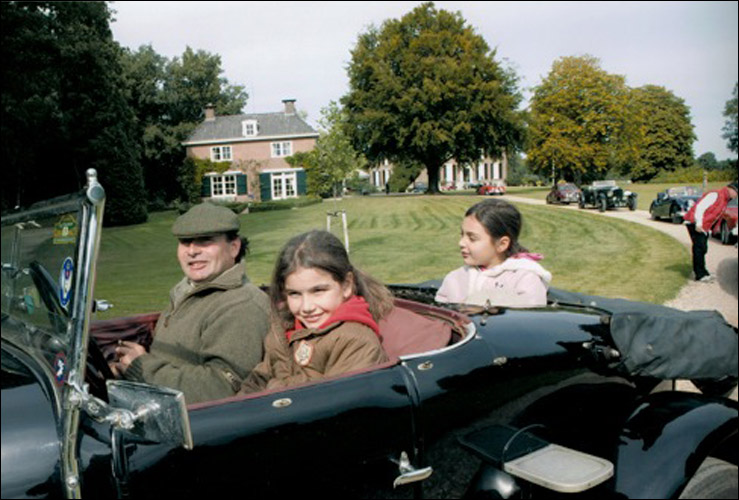
Source: Ernst Jan Krudop (Owner)
Posted: Dec 15, 2012
2009
Click on thumbnail for larger view

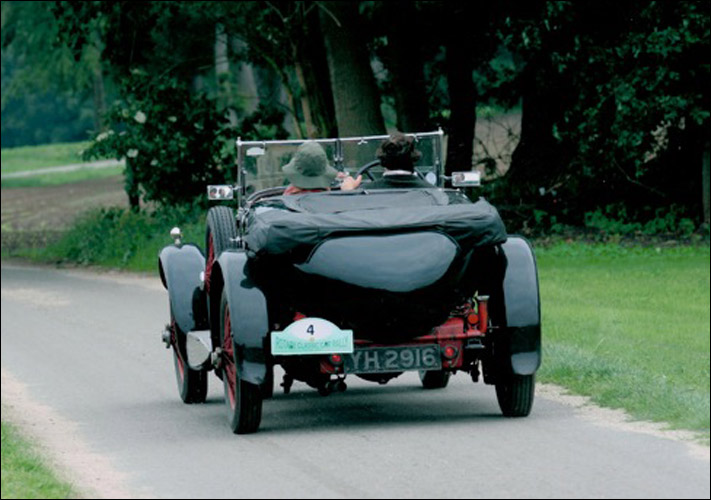
Source: Ernst Jan Krudop (Owner)
Posted: Dec 15, 2012
2006
Posted: Jan 1, 0001
2004
Click on thumbnail for larger view
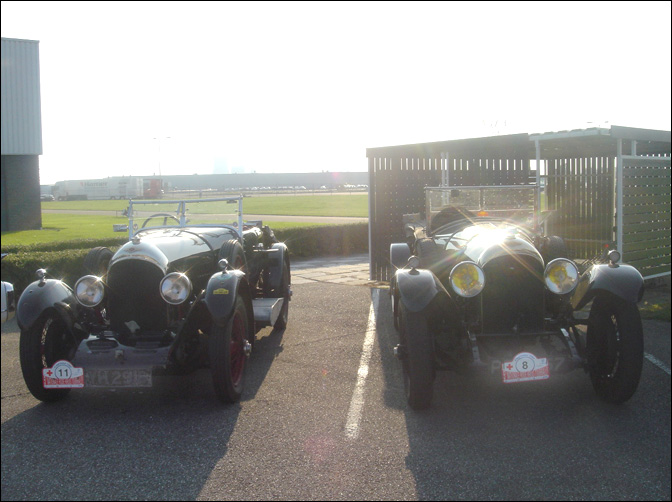


Source: Ernst Jan Krudop (Owner)
Posted: Jan 15, 2008
2003
Click on thumbnail for larger view

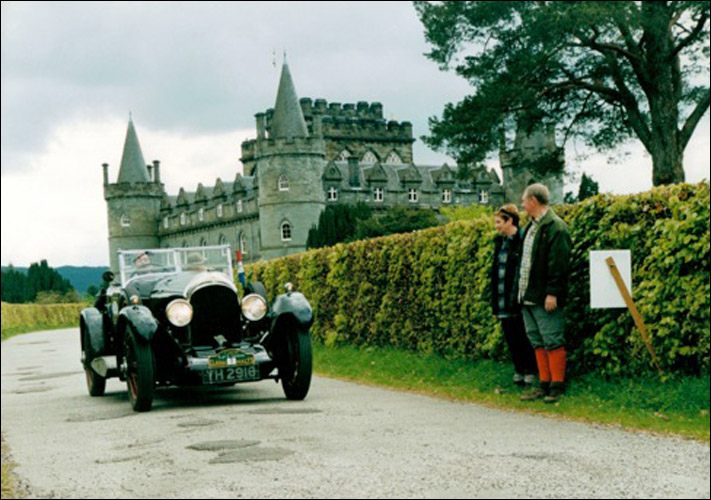
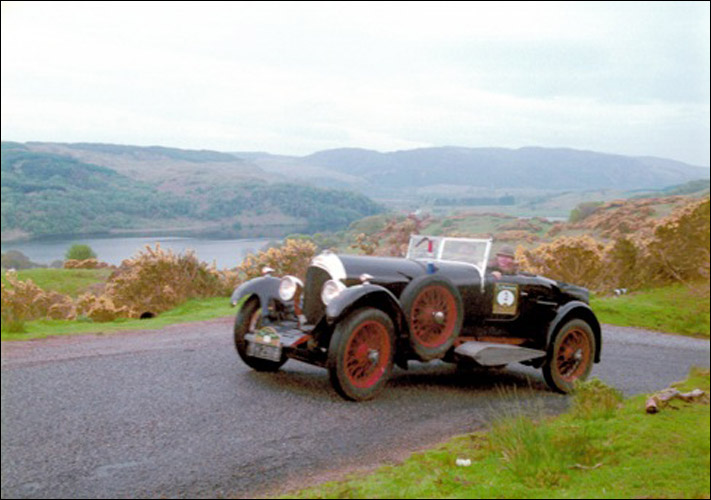
Source: Ernst Jan Krudop (Owner)
Posted: Dec 15, 2012
2002
Click on thumbnail for larger view
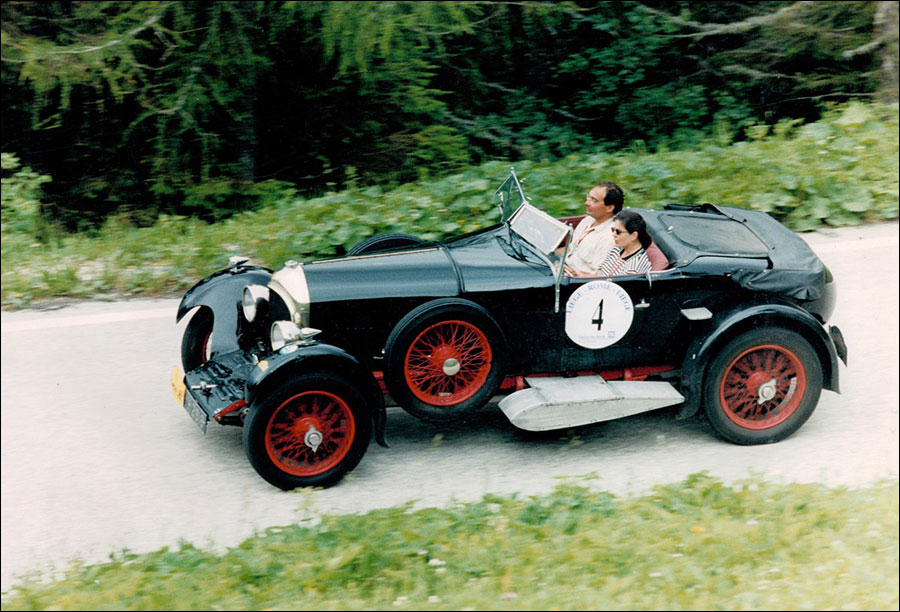
Source: Ernst Jan Krudop (Owner)
Posted: Apr 29, 2020
2001
Click on thumbnail for larger view

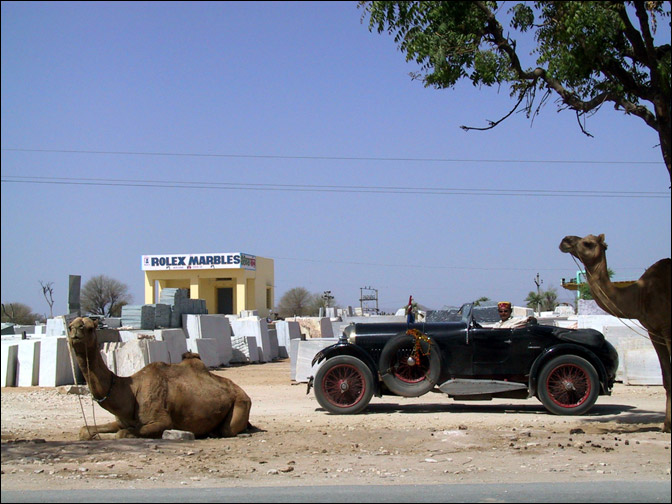
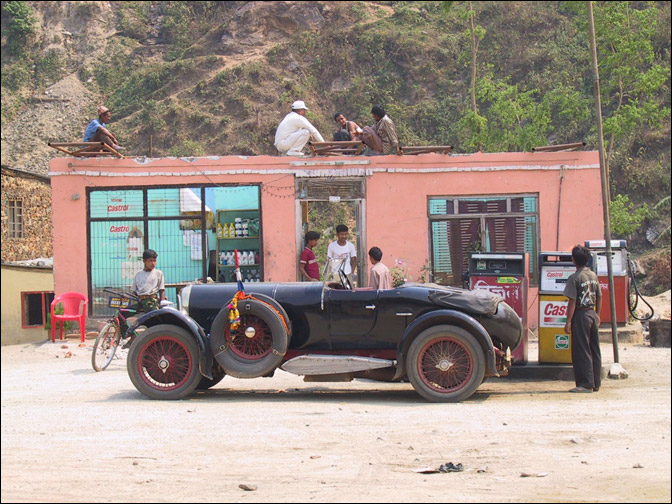
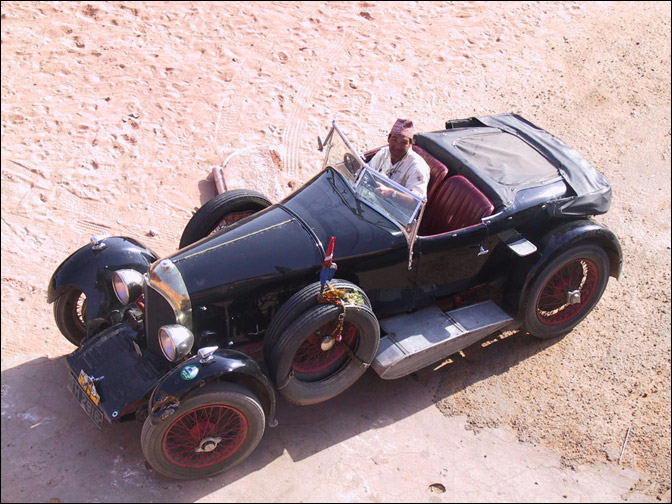

 These photographs represent the fun we had during the March-April 2001 "Jewel of India" rally. It was a 4000 mile trip through Rajastan and Nepal, but all WO Bentleys survived (in contrast to the post-war entrants, who suffered many losses...).
Source: Ernst Jan Krudop (Owner)
Posted: Dec 27, 2007
2000
Click on thumbnail for larger view
Source: Ernst Jan Krudop (Owner)
Posted: Dec 31, 2007
2000
Source: Ernst Jan Krudop (Owner)
Posted: Dec 15, 2012
1962
Click on thumbnail for larger view

Source: Ernst Jan Krudop
Posted: Dec 31, 2007
1956
Click on thumbnail for larger view
Source: Ernst Jan Krudop
Posted: Dec 31, 2007
1955
Click on thumbnail for larger view

Source: Ernst Jan Krudop
Posted: Dec 15, 2012
1952
Click on thumbnail for larger view
Source: Ernst Jan Krudop
Posted: Dec 15, 2012
1952
Click on thumbnail for larger view

Source: Ernst Jan Krudop
Posted: Dec 31, 2007
1948
Click on thumbnail for larger view

Source: Ernst Jan Krudop
Posted: Dec 15, 2012
1938
Click on thumbnail for larger view
Source: Ernst Jan Krudop
Posted: Dec 31, 2007
1937
Click on thumbnail for larger view

Source: Ernst Jan Krudop
Posted: Dec 31, 2007
1927
Click on thumbnail for larger view

Source: "Thoroughbred & Classic Cars" magazine, April 1980
Posted: Jul 31, 2008
1927
Click on thumbnail for larger view
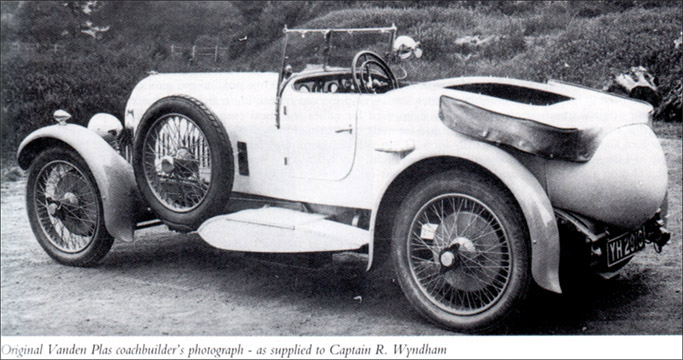
Source: From a Christie's sales catalog dated July 24, 2000
Posted: Jul 16, 2007
1927
Click on thumbnail for larger view

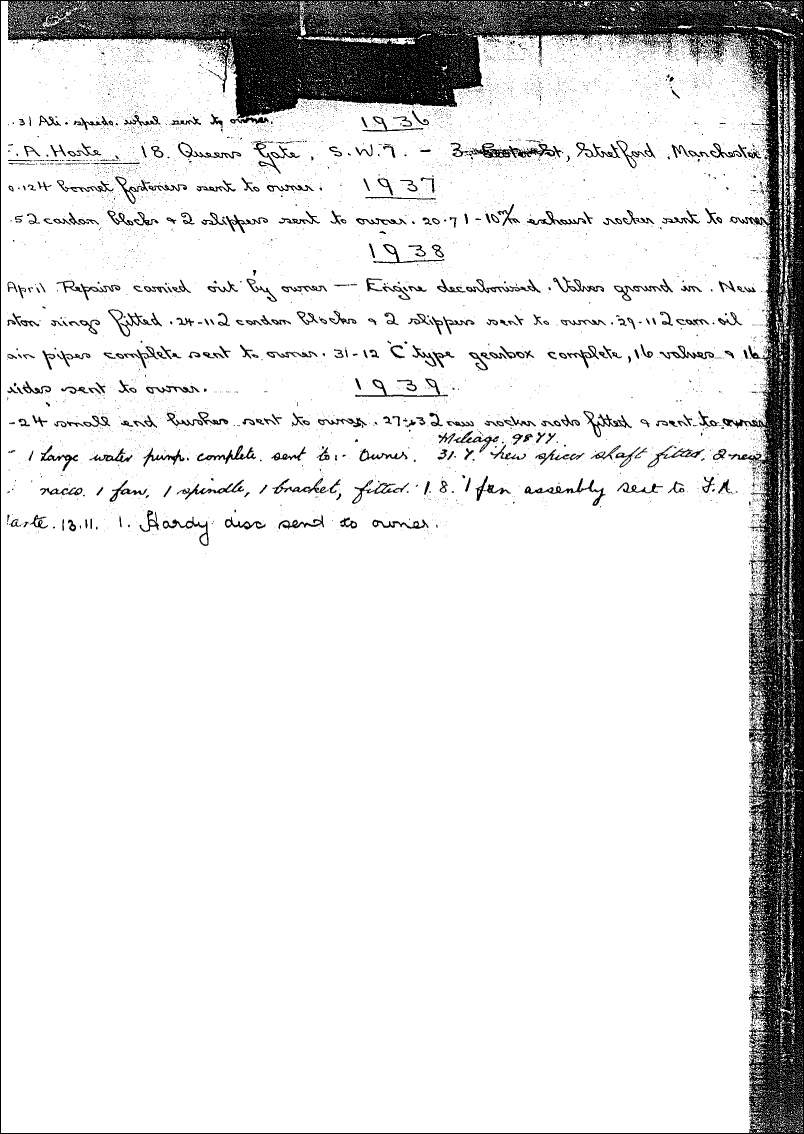
Source: Ernst Jan Krudop
Posted: Dec 31, 2007
Click on thumbnail for larger view
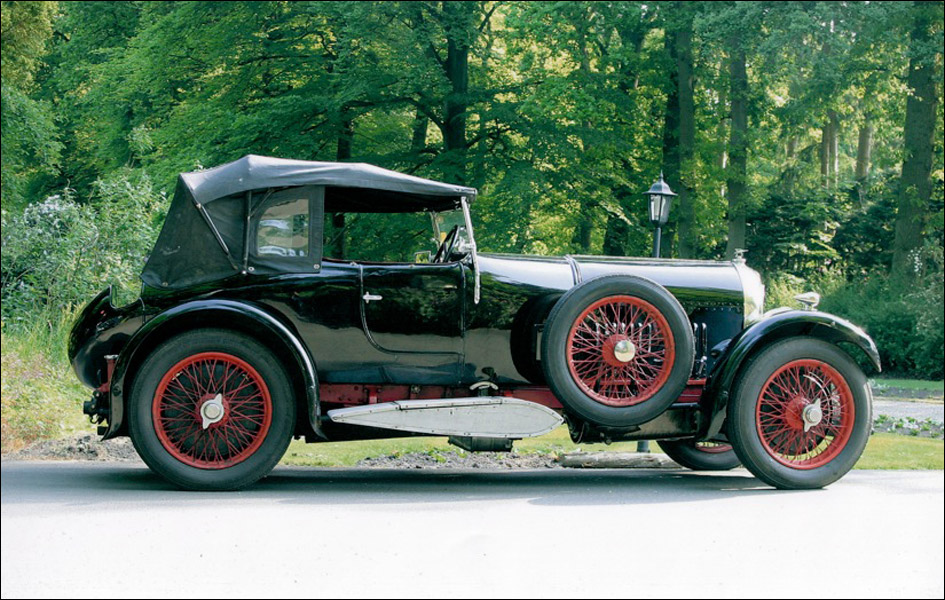
Source: Ernst Jan Krudop (Owner)
Posted: Dec 15, 2012
Click on thumbnail for larger view

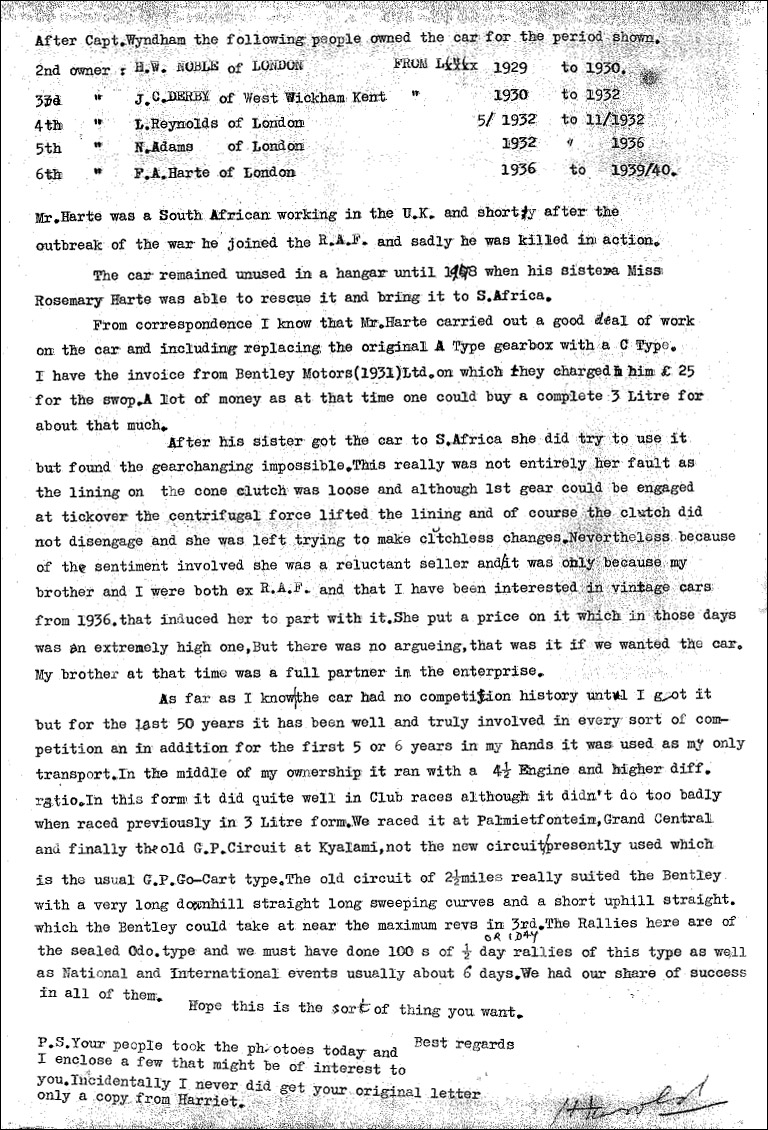

Source: Ernst Jan Krudop
Posted: Dec 31, 2007
Click on thumbnail for larger view
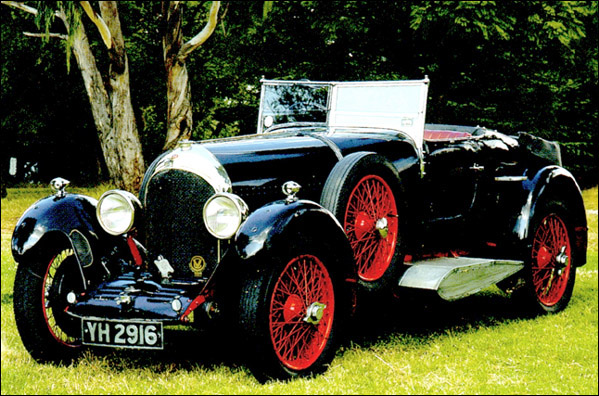
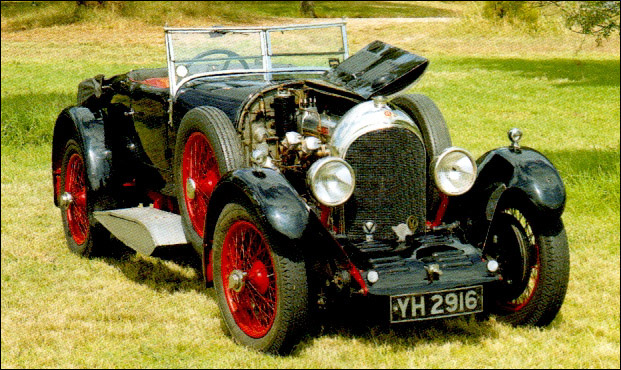
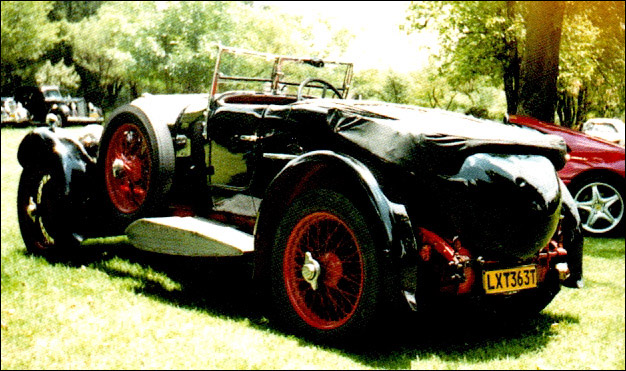
1927 Bentley 3 Litre Speed Model Sports Tourer
Coach Work By Vanden Plas, Body No. 1370
Registration No. Formerly UK registered YH 2916
Chassis No. AX 1651
Engine No. AX 1651
Black and red with red leather interior
Engine: four cylinder in line, 2,996cc overhead camshaft driven by vertical shaft, 16 valves, twin SU carburettors, 85bhp at 3500 rpm; Gearbox: C Type, four speed; Suspension front beam axle, rear live axle, semi-elliptic leaf springs all round: Brakes: (4 1/2 litre) Bentley-Perrot four wheel drum with (Speed Six) Dewandre servo. Right hand drive.
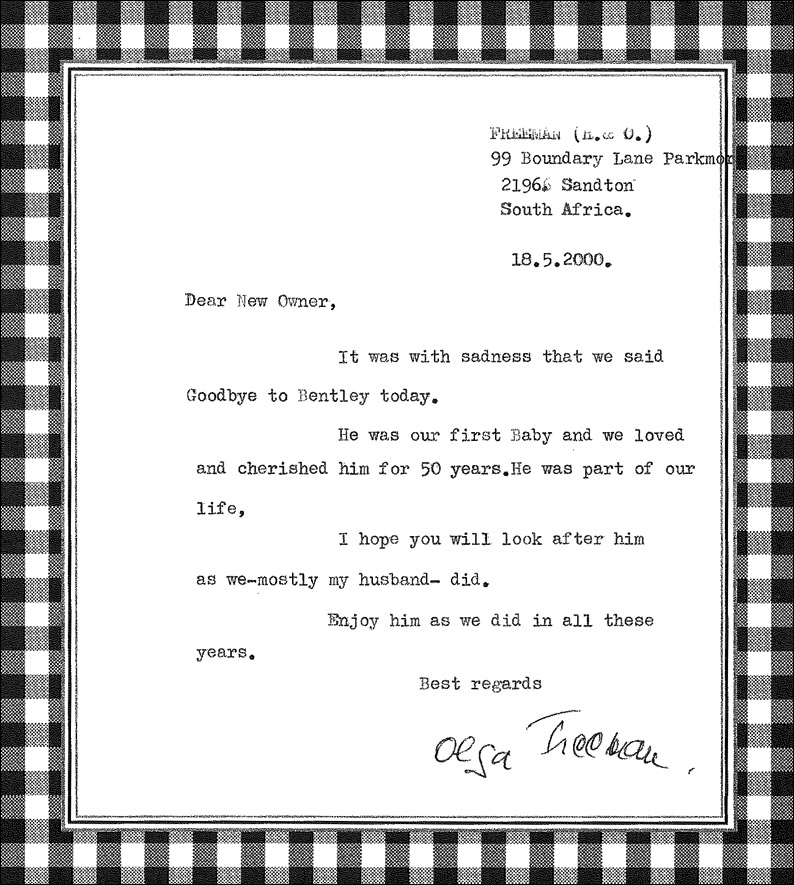
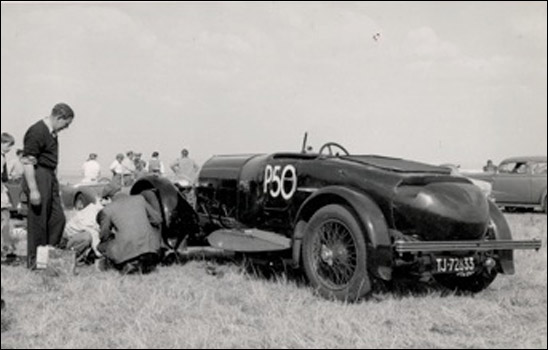
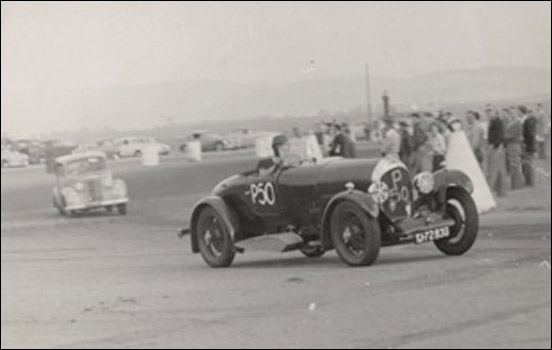
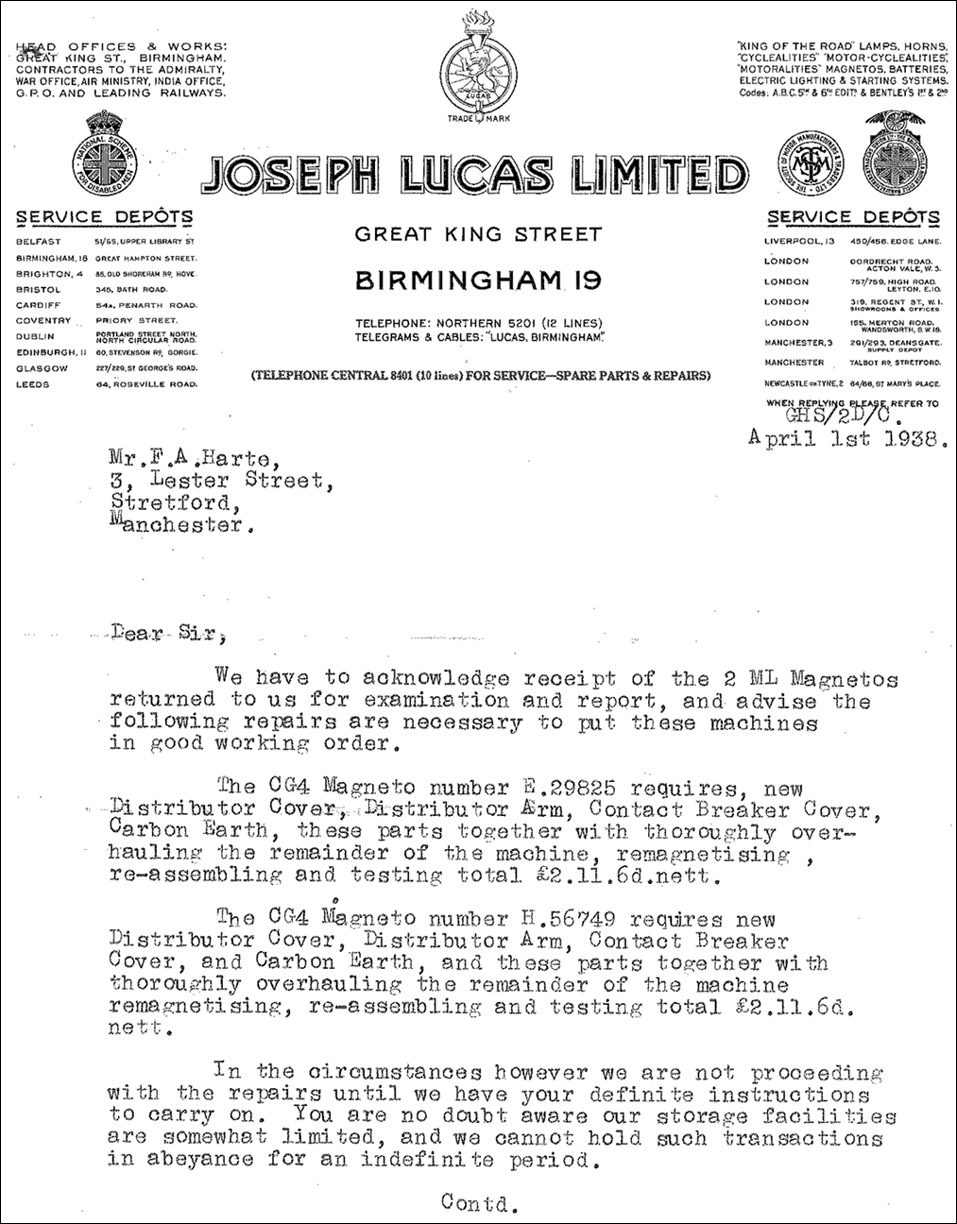
In 1919 The Autocar reported the birth of the Three Litre Bentley, "The Bentley chassis stands alone in its class as a car designed to give that peculiar and almost perfect combination of tractability and gear speed usually found on machines built for racing and racing only." It was during the Great War of 1914-18 that Capt. W.O. Bentley conceived the idea of building a fast and reliable yet comfortable sporting car and of proving its merits by embarking from the very beginning on a programme of the most arduous racing. Since he took as his inspiration the design of the 1914 Mercedes-Benz and Peugeot Grand Prix racers, his car could not be cheap, but it was intended to offer reasonable running costs and to be maintained by an enthusiastic owner/driver. With a sixteen-valve overhead camshaft four cylinder engine, excellent four-speed crash gearbox provided with relatively close ratios and that superbly balanced chassis, it was built to the highest specification using only the finest available materials. From its introduction die Three Litre Bentley was invested with a certain glamour, typified by the Bentley Boys, the wealthy amateur racing drivers whom W.O. Bentley gathered together to drive his Bentleys in international races. The Three Litre Bentley excelled in long-distance racing. In the first 24-hours race at Le Mans in 1923, one driven by Duff and Clement came fourth despite being seriously damaged in the famous White House Comer crash. It was possible to buy production models with specifications close to those of the racing cars. The Speed Model, with its 5.3:1 compression ratio and twin SU 'sloper' carburettors, had a chassis guaranteed to do 90mph. Their red enamelled radiator badges brought renown as 'Red Libel' Bentleys, and many were fitted with Vanden Plas' well-balanced coachwork, more often than not of a four seater sporting tourer design. However, the company when requested were able to provide exceptions such as this elegant two seater, described by them as a 'Special Sports', which it is thought is unique, and is notable for its pontoon miming boards, V-screen, and helmet wings. This unusual and attractive bodywork was commissioned by a Capt. Wyndham, who kept it until 1929, and also owned a 6 1/2 Litre and 4 1/2 Litre Supercharged. The Bentley factory records note changes of ownership in the London area, as well as continued maintenance up until the war. In 1932 when owned by L.Reynolds the car returned to Bentley to be rebuilt following an accident, this included them fitting a new chassis frame. By 1936 it came into the possession of a F. A. Harte. Harte was a South African who was based in the UK, and, in his ownership he had the gearbox exchanged for a C type unit, and new valves and guides fitted. He joined the R.A.F. shortly after the outbreak of war, though sadly was killed in action. The car remained unused in a hangar until 1948, when his sister. Miss Rosemary Harte rescued it and took it to South Africa.
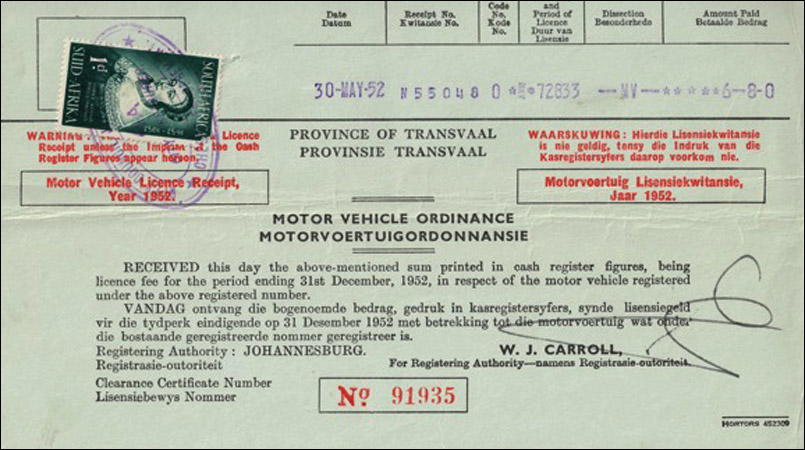
When Miss Harte received the car in South Africa she did try to use it, but found the gear change impossible, which turned out to be due to a loose cone clutch lining. Despite this problem for sentimental reasons she was a reluctant seller, and it was only that the present owner and his brother were former R.A.F. themselves, and had an enthusiasm for vintage machines, that enabled them to induce her to part with the Bentley. Although the price was high, there was to be no discussion and if they wanted the car, they had to pay, which they did in 1951.
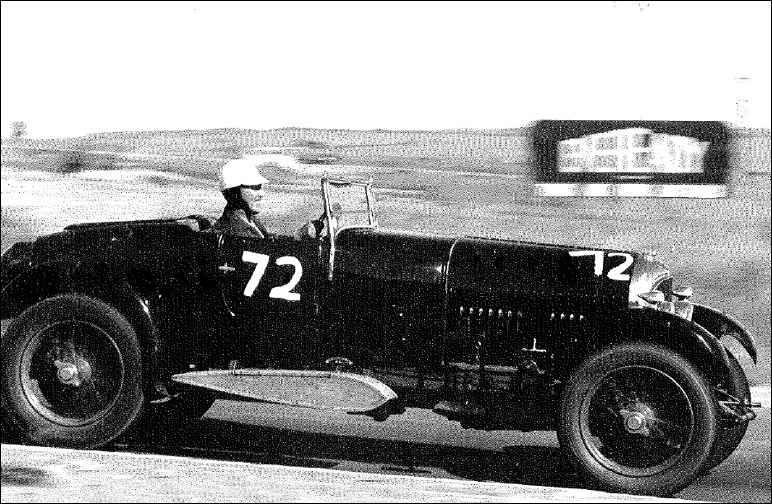
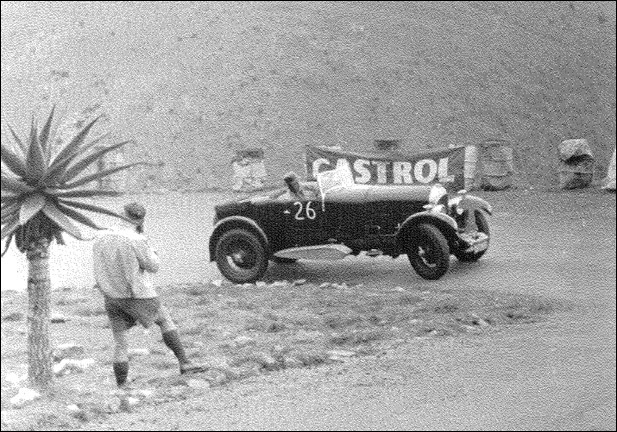
The current owner initially used the car as everyday transport, and later fitted a 4 1/2 Litre engine to improve its ability in Club racing. Raced at Palmietfontein, Grand Central and the old Kyalami Grand Prix circuit, it has also been campaigned on various rallies, including National and International events.
In the Seventies, the original 3 litre unit was restored to the Bentley, and tins and the differential were overhauled, the engine receiving new pistons and rings, remetalling of main and big ends, and a new double thrust bearing and new exhaust valves, whilst the differential had new pinion bearings fitted. Since then less than 5,000 miles have been completed, and as it has been regularly maintained the vendor reports the car to be in very good mechanical shape.
At some stage the seats have been renewed in red leather, though the original door panels and trim remain, and it has been repainted to black livery. The Bentley retains correct period instrumentation, and as sensible concessions to current motoring, the Smith's headlights are fitted with modem Bosch reflectors and side lights have been converted to act as indicator lights. Featured on page 85 of Brian Smith's book 'Vanden Plas Coachbuilders' this rare and attractive 'WO' returns to the UK being offered for sale for the first time in nearly 50 years.
Source: From a Christie's sales catalog dated July 24, 2000
Posted: Jul 16, 2007
Earliest Record Of Historical Facts & Information
| Chassis No. | AX1651 |
|---|---|
| Engine No. | AX1651 |
| Registration No. | YH 2916 |
| Date of Delivery: | 30 Apr 1927 |
| Type of Body: | 2-seater |
| Coachbuilder: | Vanden Plas |
| Type of Car: | SP |
| First Owner: | Captain R. Wyndham |
| More Info: | According to original Vanden Plas Coachbuilder records, this car was originally fitted with Body No. 1370 with a Sports Special 2-seater; 5/1927. Michael Hay, in his book Bentley: The Vintage Years, 1997, states: "Vanden Plas body no. 1370. "David Brown steering worm and wheel." A box fitted 6/28 - C box fitted 1938. (BS box 5062). In South Africa." |
Mar 1, 2007