
Vintage Bentley
Production NOS.
Where To Look For
Chassis & Engine NOS.
Bentley Specials & Special Bentleys
Unidentified
Bentleys

1929 Bentley 4½ Litre 2-seater
Chassis No. AB3365
Engine No. AB3366
Registration No. XV 6515
October 31, 2010
Click on thumbnail for larger view
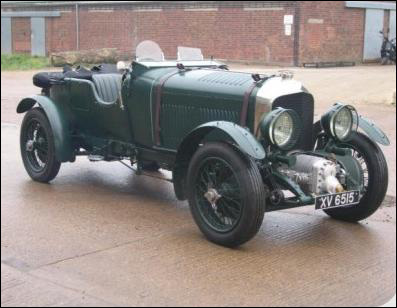
Chassis no. AB3365 has a new body.
Source: Neil Davies Historic Racing
Posted: Nov 8, 2010

2006
Posted: Jan 1, 0001
2005
Click on thumbnail for larger view
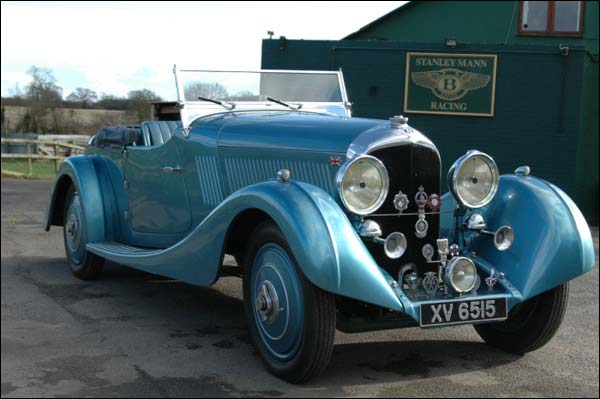
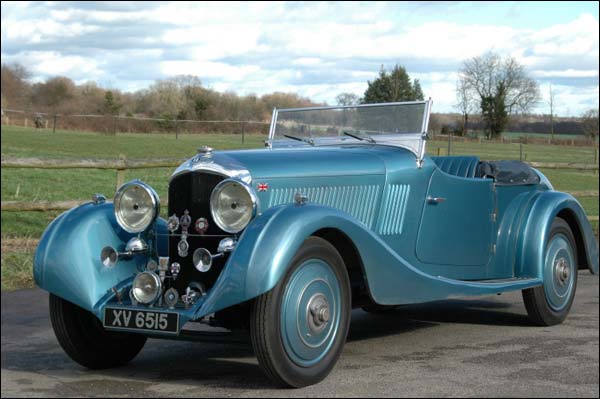
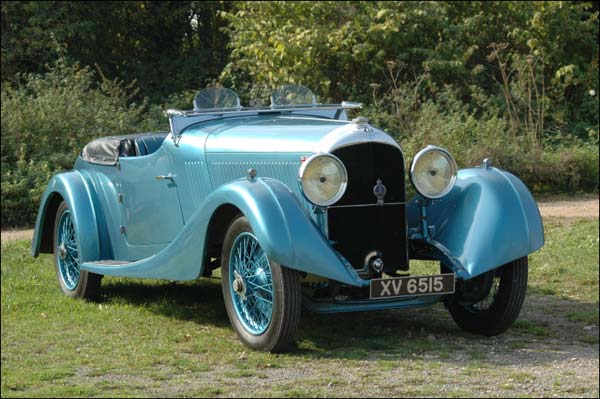
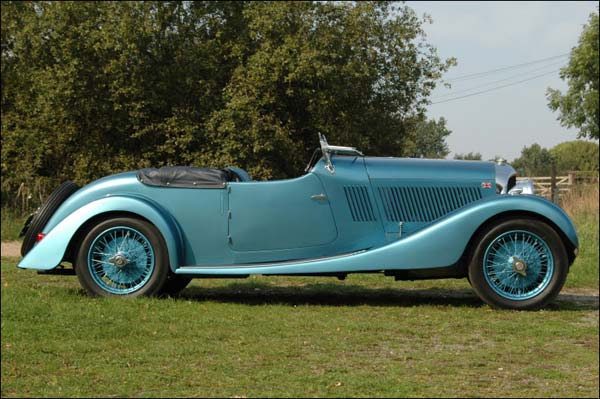

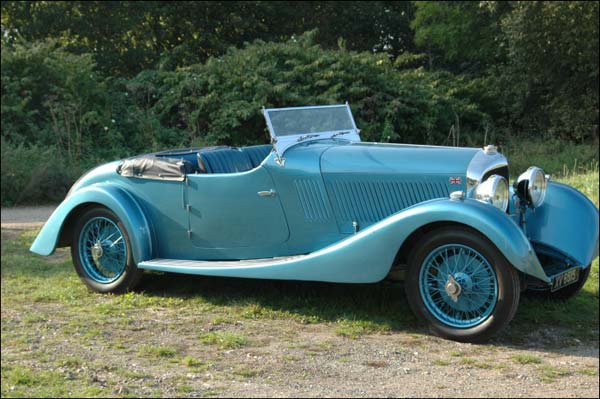
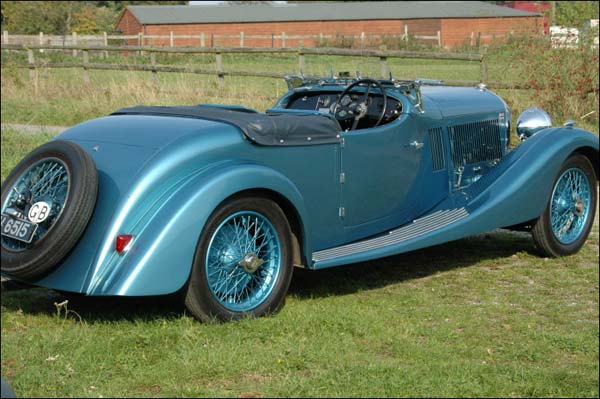
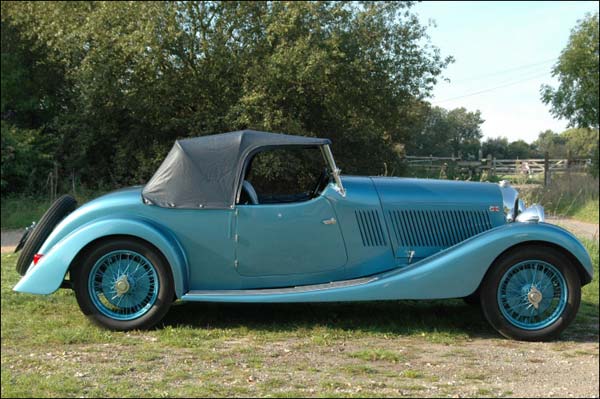
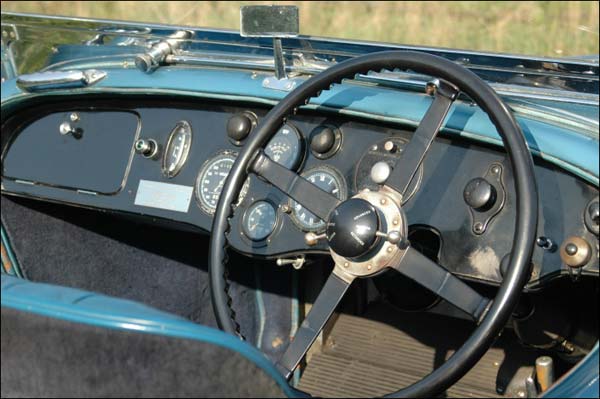
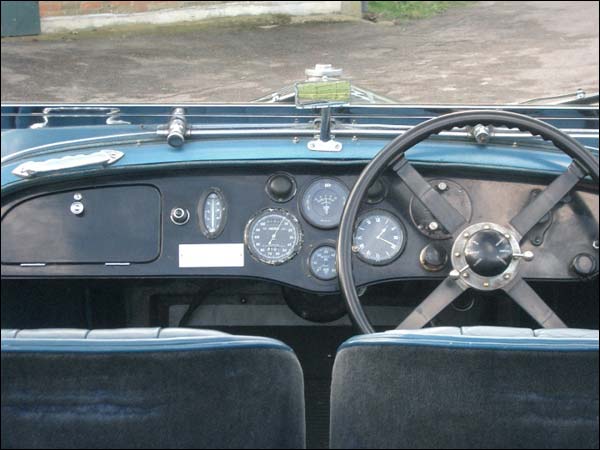
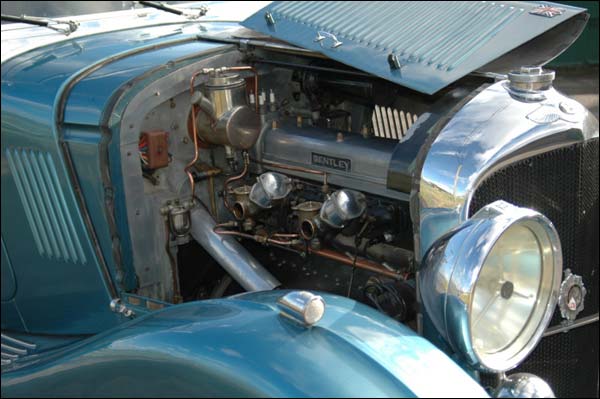
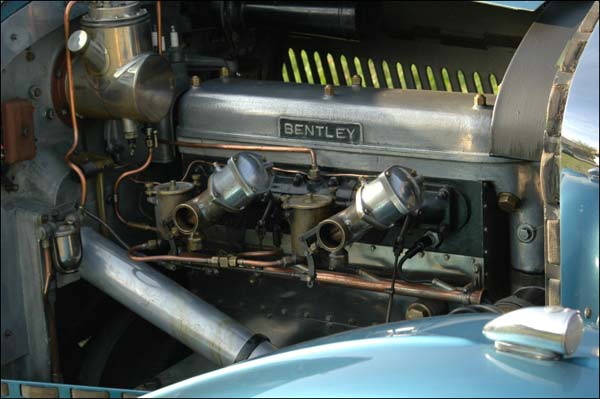
Source: Stanley Mann Racing
Posted: Feb 28, 2005
2004
Click on thumbnail for larger view
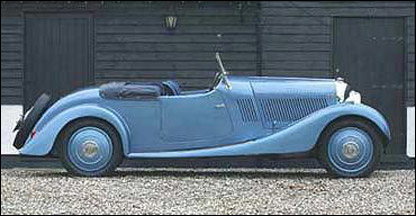
Retrospectively it is perhaps unsurprising that the car was kept within the 1920/30s rather than being replaced since history now records that it would continue to remain in the same family for nearly 40 years, before being sold publicly at auction in 1968. A decade later Christie's offered the car for sale on behalf of that purchaser at a sale at the Cunard International Hotel, London, in December 1979. At the time its long term previous ownership was referred to, and noted that it had not only been in the same hands for 40 years but that it had been maintained by the same garage throughout!
By the mid 1980s the car had found its way to Australia and to the Mayor of Melbourne, from whom the present owner acquired the car in 1989. Since then it has been actively campaigned all around the world, including in the United States where it participated in the 1989 Rolls-Royce Owners Club National at Lime Rock, and has often simply been the choice for long distance touring on holiday. This regularity of use is testament to the practicality of the coachwork design, which offers comfortable front seats behind which there are a pair of fold-away seats that when stowed create a large area for extra luggage space whilst touring. As was more popular by the 1930s the gear lever and hand brake both sit within the coachwork and are conveniently placed for ease of operation. The car also has an all-enveloping hood and side screens, so is ideal for all weathers. Naturally owing to this use and the need for the car to be reliable, it has consistently been maintained whilst in the current ownership.
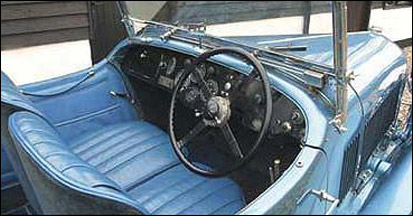
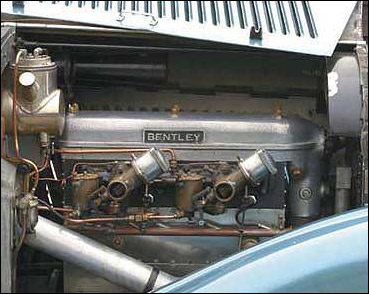
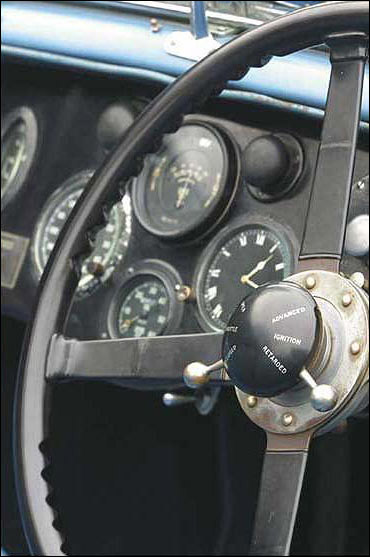
In 1995 Neil Davies rebuilt the engine, and there are various invoices on file for parts from Donald Day. The cosmetic condition of the car is good, despite its paintwork clearly being old there are very few signs of age and the interior, hood and sidescreens have been renewed relatively recently. It is fascinating to inspect the 4 ½ and to see how carefully Vanden Plas incorporated almost every detail aspect from the vintage chassis into a post-vintage tourer, from bold Lucas headlights to dashboard instrumentation. The large vintage wheels are hidden behind period Ace wheel discs, with only the 'W.O.' hubs alluding to the earlier chassis, and a large front valance completes the veiled disguise. The front of the car is impressively appointed with additional Lucas driving light, long trumpet horns and badges for events and clubs ranging from the Autocycle union to the Coronation. There is a further benefit of the fact that the car remained usable throughout its life which is that this has ensured that it has not suffered the fate of many of its brethren and retains its original matching components throughout, from engine to front axle.
This Bentley is an intriguing and unspoilt piece of history. It is a proven long distance touring car, with spritely performance and re-assuring vintage exhaust tone.
Source: MotorSnippets
Posted: Feb 14, 2009
Earliest Record Of Historical Facts & Information
| Chassis No. | AB3365 |
|---|---|
| Engine No. | AB3366 |
| Registration No. | XV 6515 |
| Date of Delivery: | 30 Nov 1928 |
| Type of Body: | 2-seater |
| Coachbuilder: | Vanden Plas |
| Type of Car: | No info |
| First Owner: | MORTON SMITH N |
| More Info: | According to original Vanden Plas Coachbuilder records, this car was originally fitted with Body No. 1525 with a Standard fabric covered 2-seater; blue/blue paint; 11/1928. Michael Hay, in his book Bentley: The Vintage Years, 1997, states: "Vanden Plas body no. 1525. Vanden Plas 2 seater fitted 1936. Auctioned Sotheby's 24/10/68 and reputedly crashed on the way home!" |
Mar 1, 2007