
Vintage Bentley
Production NOS.
Where To Look For
Chassis & Engine NOS.
Bentley Specials & Special Bentleys
Unidentified
Bentleys

1926 Bentley 3 Litre 100 2-seater
Chassis No. 1179
Engine No. 1165
Registration No. KM 4250
February 5, 2013
Click on thumbnail for larger view

Source: Flickr, posted by user 'Hugues'
Posted: Mar 2, 2015

January 31, 2013
Click on thumbnail for larger view


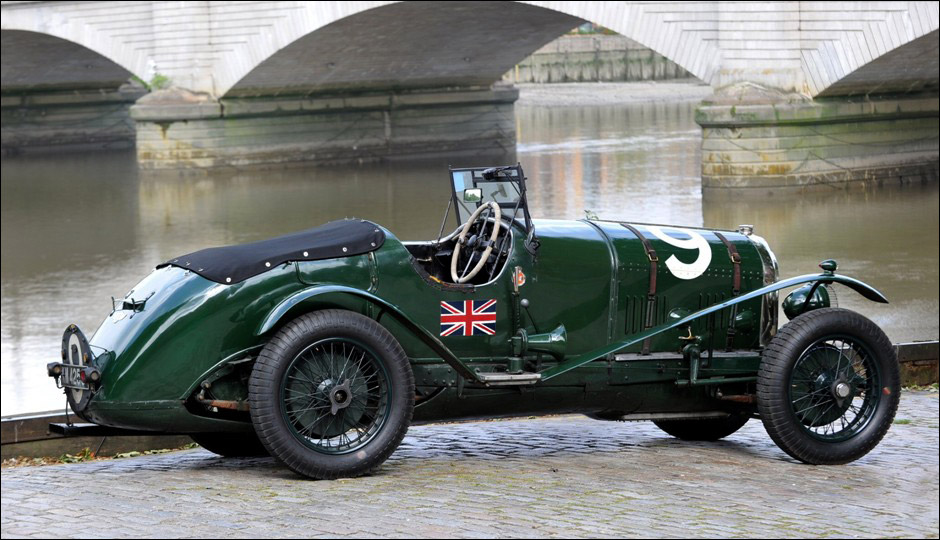
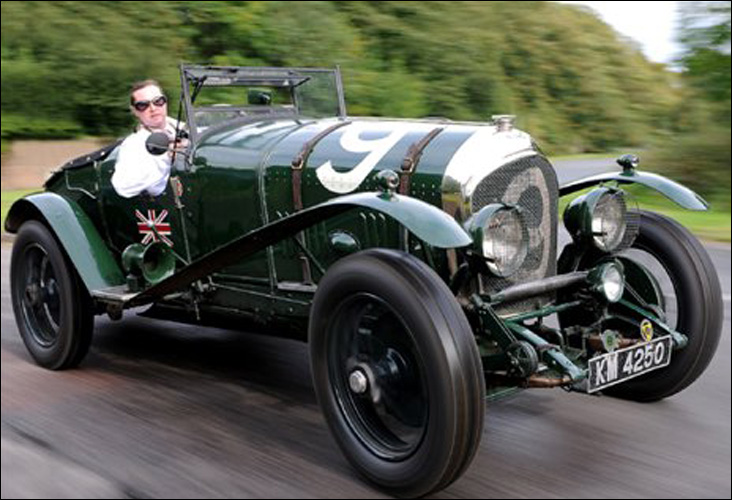
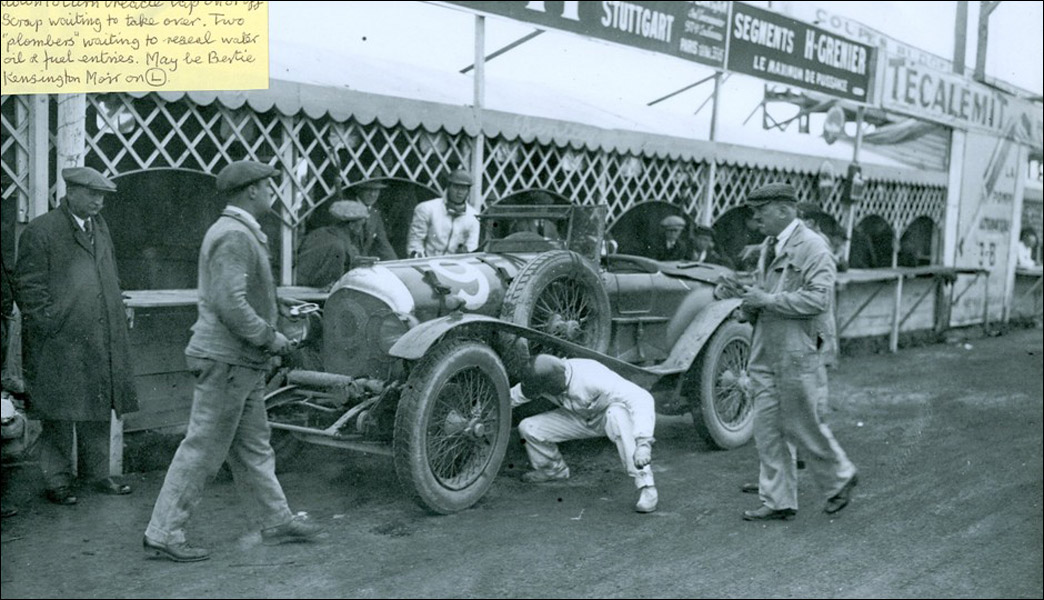
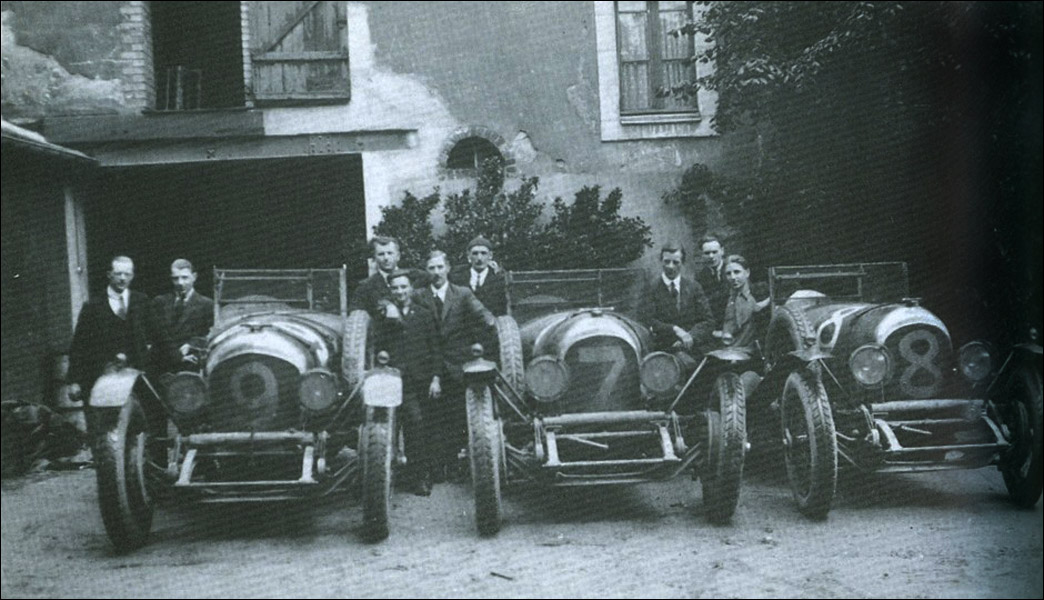
The road to success in motorsport is never an easy one, and W.O Bentley – the founder of Bentley Motors – was determined to succeed at Le Mans in 1926 after the frustrations of the previous year. A total of three cars were entered: two works examples and, to complete the factory effort, a private entry to be run by the competition department. This was a special order car for Tommy ‘Scrap’ Thistlethwayte, a charismatic, wealthy playboy who was well known for his racing exploits at the time. The Bentley Boy who was to oversee the building and running of this special Bentley, as well as to co-pilot the car during the actual race, was wartime hero and Bentley Boy Captain Clive Gallop.
Thistlethwayte specified the short 9-foot chassis, making it one of only 14 Green Label ‘100 mph’ Bentleys produced. It has the rare tapered radiator and a Super Sports engine, while the body is unique. Le Mans rules stipulated that all cars had to carry a four-seater body, which proved a problem with the short 9-foot chassis. This task was given to Martin Walter, a specialist coachbuilder of the day who constructed the racey body that it retains today. The race for ‘Number Nine’ (as commonly referred to throughout the Bentley’s life due to its Le Mans event number) started well enough and by 4am on Sunday morning was lying third. However, fate played a cruel hand: at 8.30am on lap 105 a broken rocker cover finished its race.
As history would relate, while the other two Bentleys failed to finish in 1926, one of them – ‘Old Number Seven’ – would return the following year, securing victory and initiating Bentley’s dominance at the famous La Sarthe circuit.
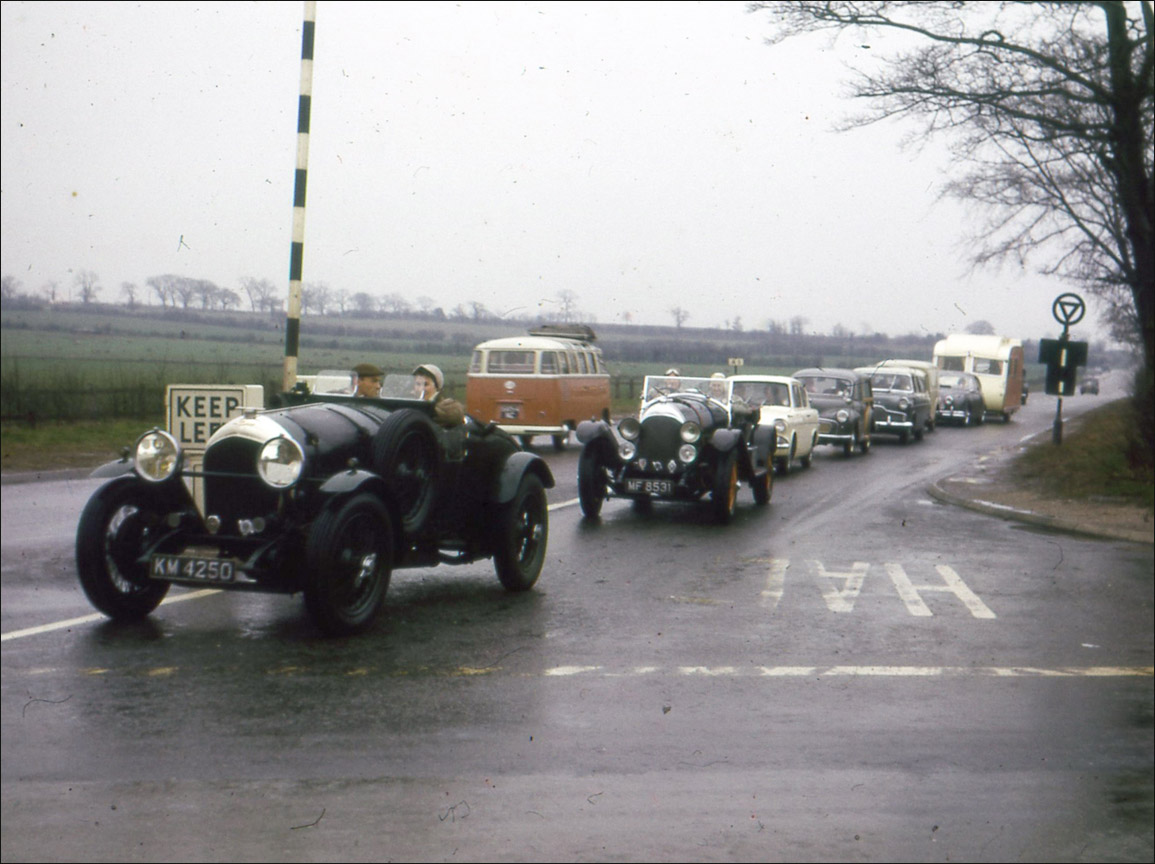
Following Le Mans, Number Nine went on to compete at Brooklands and the Irish Grand Prix before being retired from racing. Following World War II, the Bentley had a number of enthusiastic owners, one spanning more than 40 years, before being acquired by its current owner in 2010. Recently, Number Nine has been used regularly and was seen competing on the 2011 running of ‘The Flying Scotsman’.
The importance of Number Nine cannot be underestimated: with a unique Martin Walter body, not only does it remain one of the most original vintage Bentleys in existence, notably retaining its period engine, but it is the only 100mph Super Sports to have competed at Le Mans. This is the first time in the modern age that Number Nine has been publically offered for sale and represents an unrepeatable opportunity to secure a hugely important vintage Bentley.
Source: Fiskens
Posted: Feb 23, 2013
2010
Click on thumbnail for larger view


Source: Fiskens
Posted: Nov 29, 2010
2008
Click on thumbnail for larger view

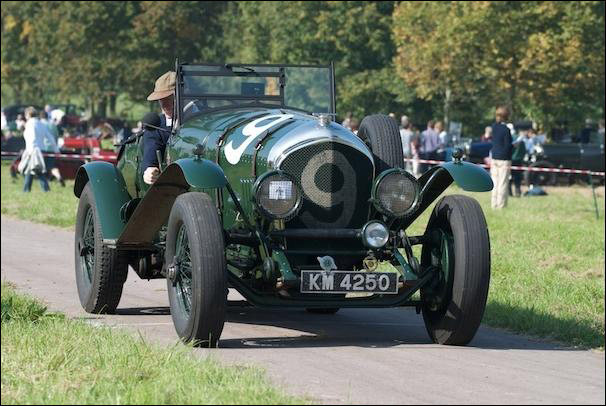

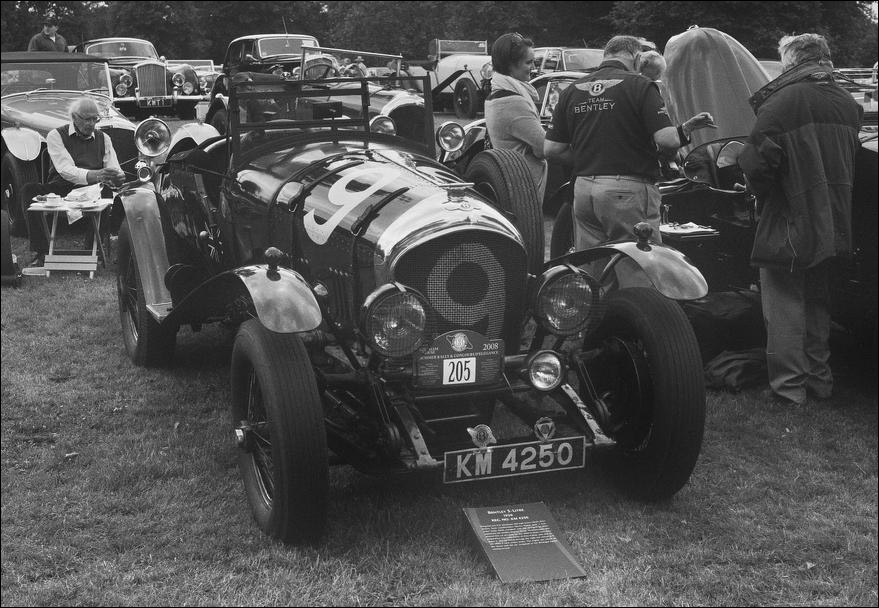

Source: Flickr, posted by users 'morrisoxford61' & 'gobb2008', Vintage Racing (UK) and Picasa, posted by user 'Minimarj'
Posted: May 5, 2011
2008
Click on thumbnail for larger view
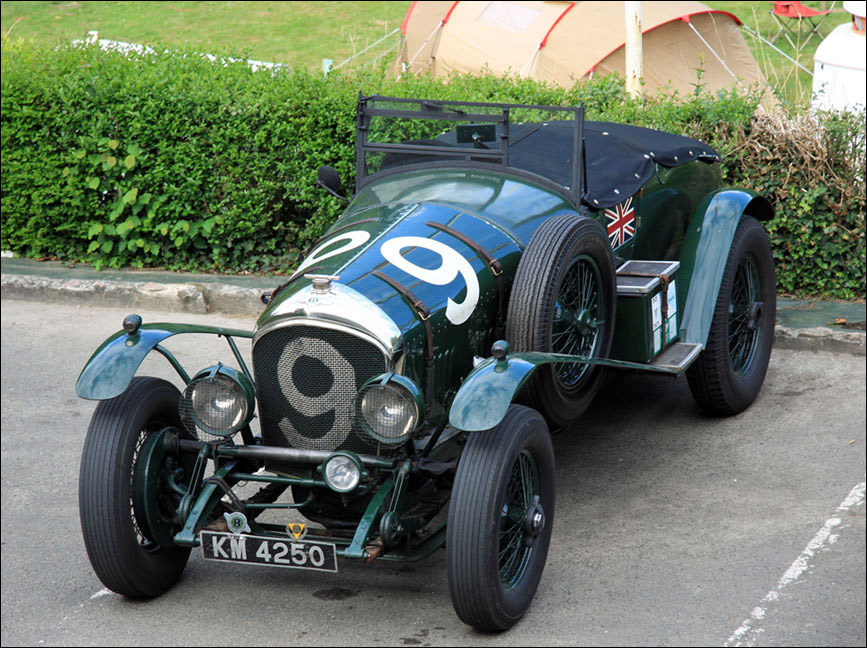
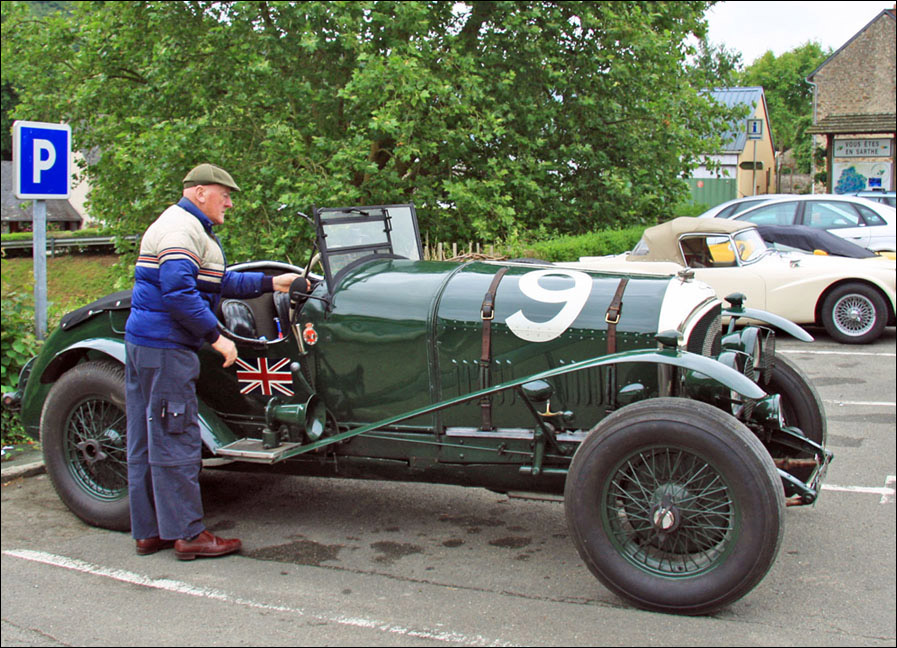
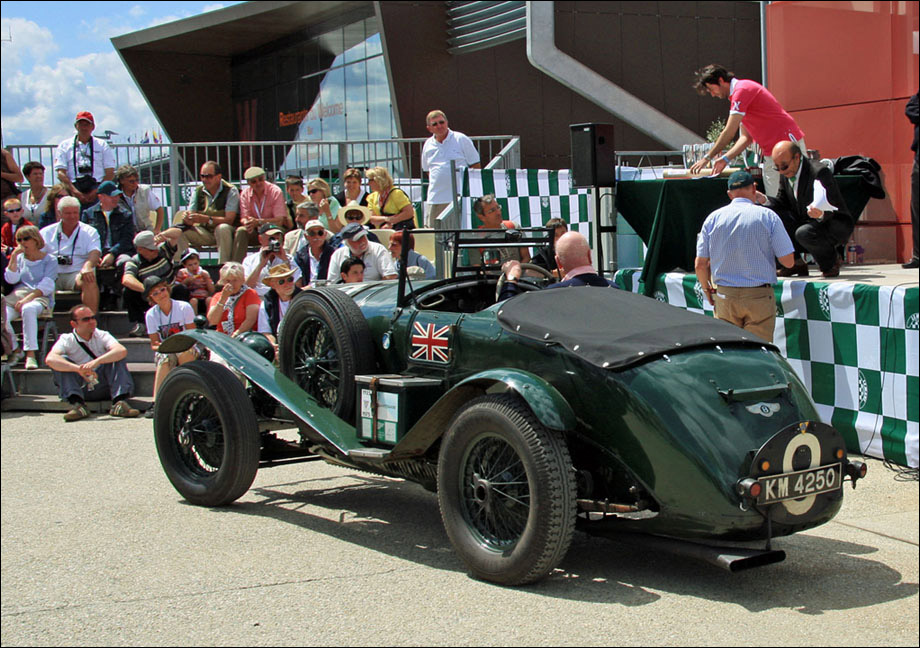
Source: Chris Card
Posted: Feb 20, 2009
2006
Posted: Jan 1, 0001
June 30, 1984
Click on thumbnail for larger view
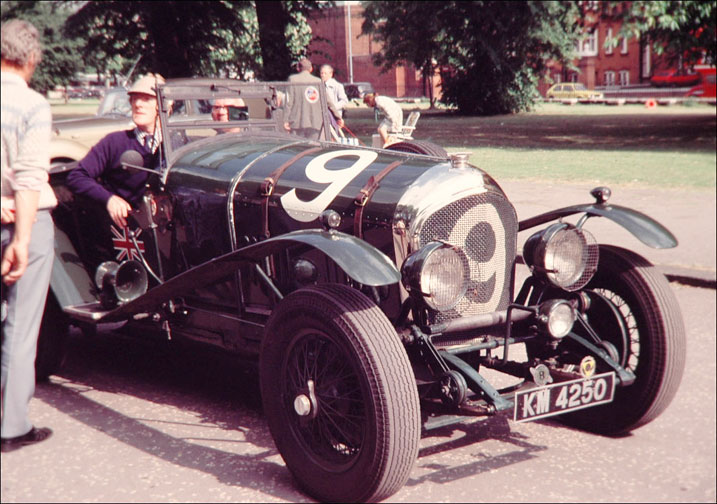
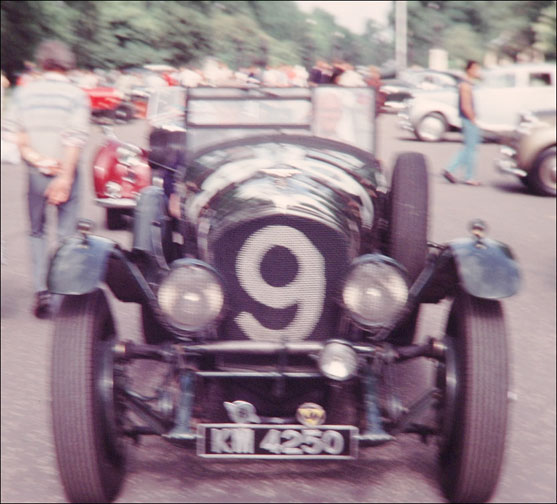
Source: Robert McLellan
Posted: Jul 31, 2006
May 31, 1979
Click on thumbnail for larger view
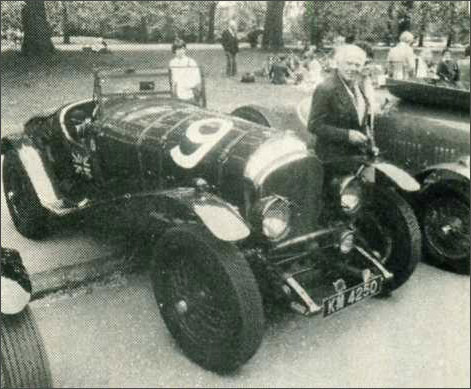
"A splendid bob-tail 100mph model 3 litre."
Source: Article 60 Years of Bentley in "Thoroughbred & Classic Cars" magazine, September 1979
Posted: Jul 31, 2008
1974
Click on thumbnail for larger view

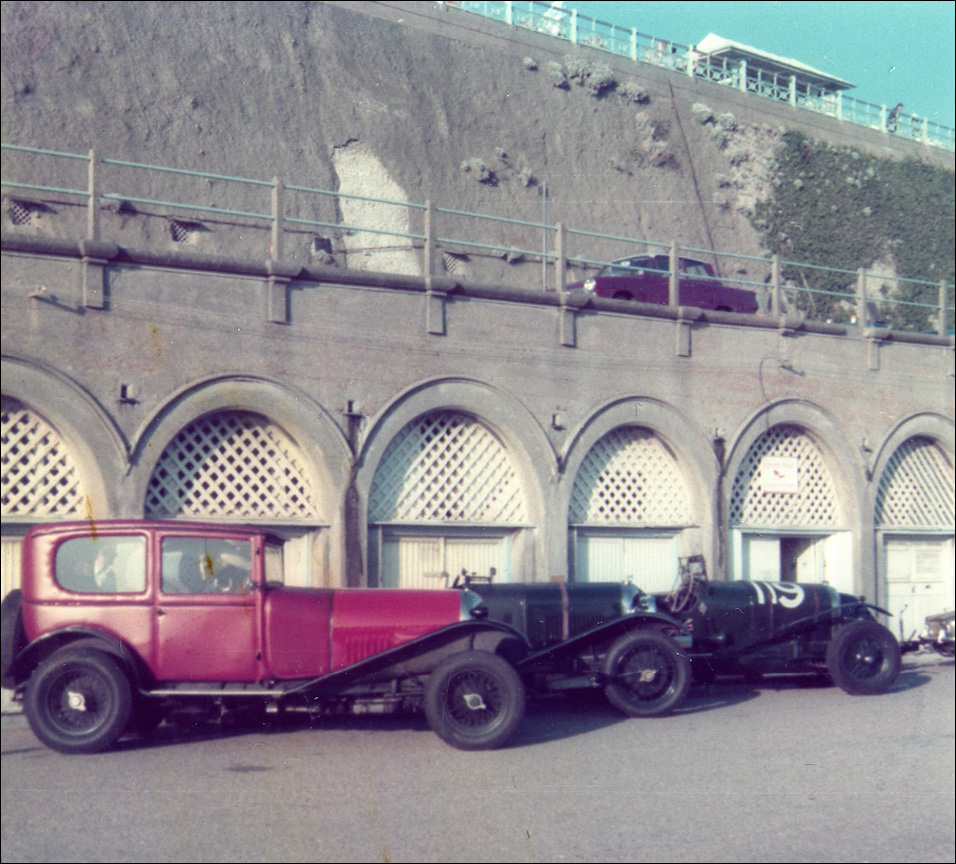
Source: Simon Laidlaw
Posted: Aug 28, 2017
1973
Click on thumbnail for larger view
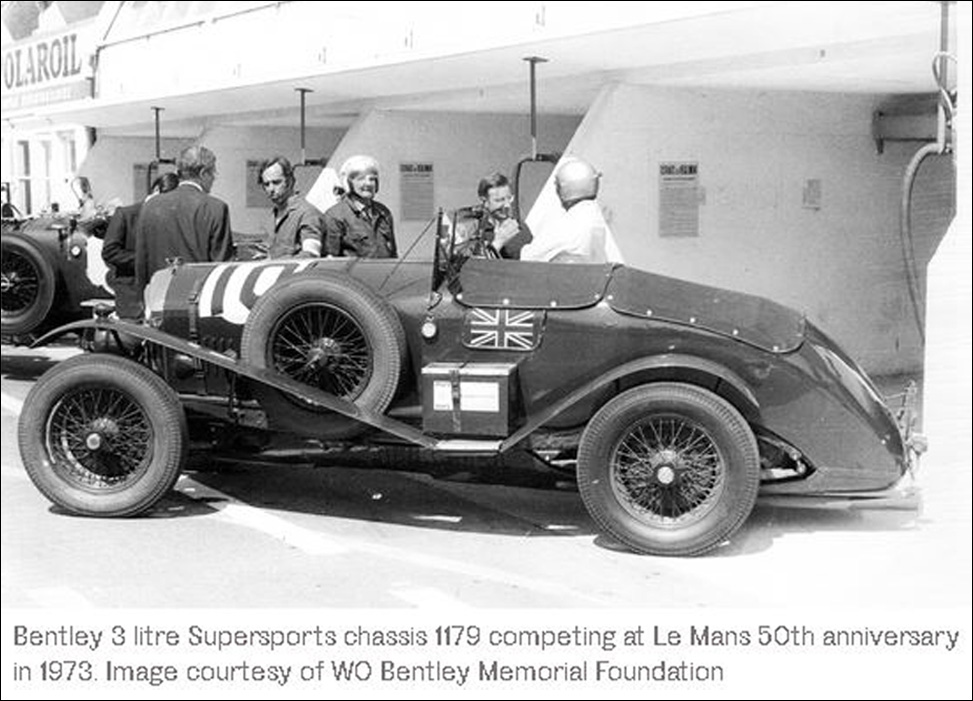
Source: Brummell Magazine
Posted: Mar 14, 2018
March 31, 1962
Click on thumbnail for larger view
Source: Colin Scrivener
Posted: Sep 28, 2018
Click on thumbnail for larger view

Source: Unknown
Posted: Jan 19, 2009
Click on thumbnail for larger view

Source: Fiskens
Posted: Feb 23, 2013
Click on thumbnail for larger view
Source: From article, The 3-litre Bentley published in "Motor Sport" magazine, February 1947
Posted: Mar 10, 2008
Earliest Record Of Historical Facts & Information
| Chassis No. | 1179 |
|---|---|
| Engine No. | 1165 |
| Registration No. | KM 4250 |
| Date of Delivery: | 30 Apr 1926 |
| Type of Body: | 2-seater |
| Coachbuilder: | Martin Walter |
| Type of Car: | 100 |
| First Owner: | THISTLETHWAITE T A D C |
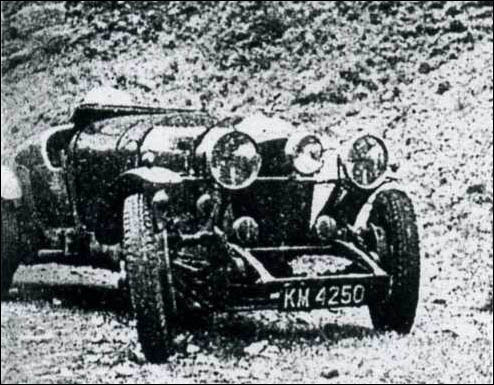
| More Info: | Team car driven by Thistlethwayte. Michael Hay, in his book Bentley: The Vintage Years, 1997, states: "Engine now ? - 4� Litre engine fitted at sometime. 1926 Le Mans car. Concerning registration plates, there is no proof of the plate MK 4250 given in "All the pre-war Bentleys" but KM 4250 can be seen on p.66 of the "Autocar Special" (from "The Autocar" June 18th 1926) and has been on 1179 as far back as all available records go." |
Mar 1, 2007